Chennai to install AI-powered traffic signals at 165 junctions for smoother commutes
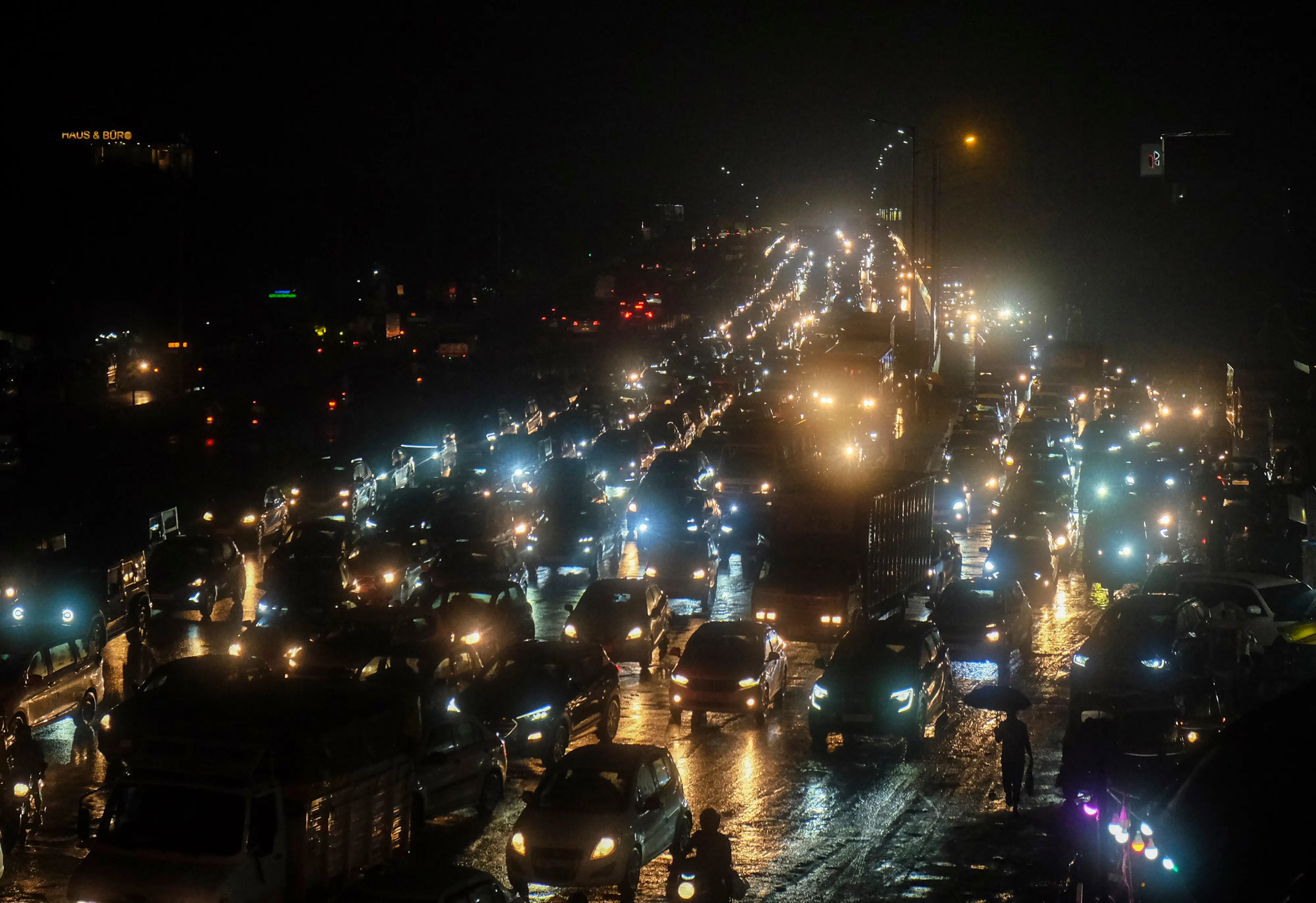
Chennai: In a major push towards smart mobility, Chennai is introducing AI-powered adaptive traffic signals at 165 busy junctions across the city. The aim is to ease congestion, reduce waiting time, and improve overall traffic flow on major roads.
Unlike the current system where traffic lights run on fixed cycles of 60–90 seconds, the new adaptive system will adjust signal durations dynamically. The timing will depend on the volume of vehicles at each junction.
Heavily congested roads could get green lights extended up to 120 seconds, while quieter lanes might see green time reduced to just 30 seconds — helping to avoid unnecessary stops.
First phase covers major city corridors
The new system will first be rolled out on major arterial roads, including:
- Anna Salai
- Jawaharlal Nehru Salai
- Sardar Patel Road
- Kamarajar Salai
- Rajaji Salai
- Taylors Road
Six pilot junctions on EVR Salai, including Vepery and Ega Theatre, are already testing the system. “We’re already seeing noticeable reductions in queue lengths during peak hours and improved clearance times,” said Bandi Gangadhar, Joint Commissioner of Police (Traffic East)
Each upgraded junction will feature three core components:
- Sensors to track vehicle speed and travel time
- AI-powered cameras to count vehicles, identify their direction, and differentiate between cars, buses, bikes, and even pedestrians
- A control unit to process real-time data and recalibrate signal timings instantly
This smart decision-making at each junction will be supported by a centralised system located at the Greater Chennai Traffic Police headquarters in Vepery.
Green corridors to reduce stop-and-go traffic
By coordinating traffic signals along key corridors, the system will enable “green corridors” — allowing vehicles to pass through several junctions without frequent halts. Roads like EVR Salai will benefit from seamless traffic flow, especially during peak hours.
The system will use both live video feeds and historical traffic data to anticipate congestion and adjust signals proactively. While the system is fully automated, it includes manual override features, allowing the police to intervene remotely during emergencies, such as ambulance or VIP movement. “Installation of sensors and AI cameras is currently underway and will be completed in the coming months,” said Bandi Gangadhar, Joint Commissioner of Police (Traffic East)
While the move has been welcomed, transport experts caution that the system’s success depends on accurate and stable data. “We’ve seen international examples where sensor or camera failures disrupted traffic,” said R. Rajmurugan, transportation engineer, citing issues in Melbourne, Pittsburgh, and London.
Chennai’s investment in AI-driven traffic control is part of a broader strategy to modernise urban infrastructure. If successful, the city could become a model for other Indian metros struggling with chronic traffic jams.