El Nino effect: Kerala monsoon may be among the driest this year
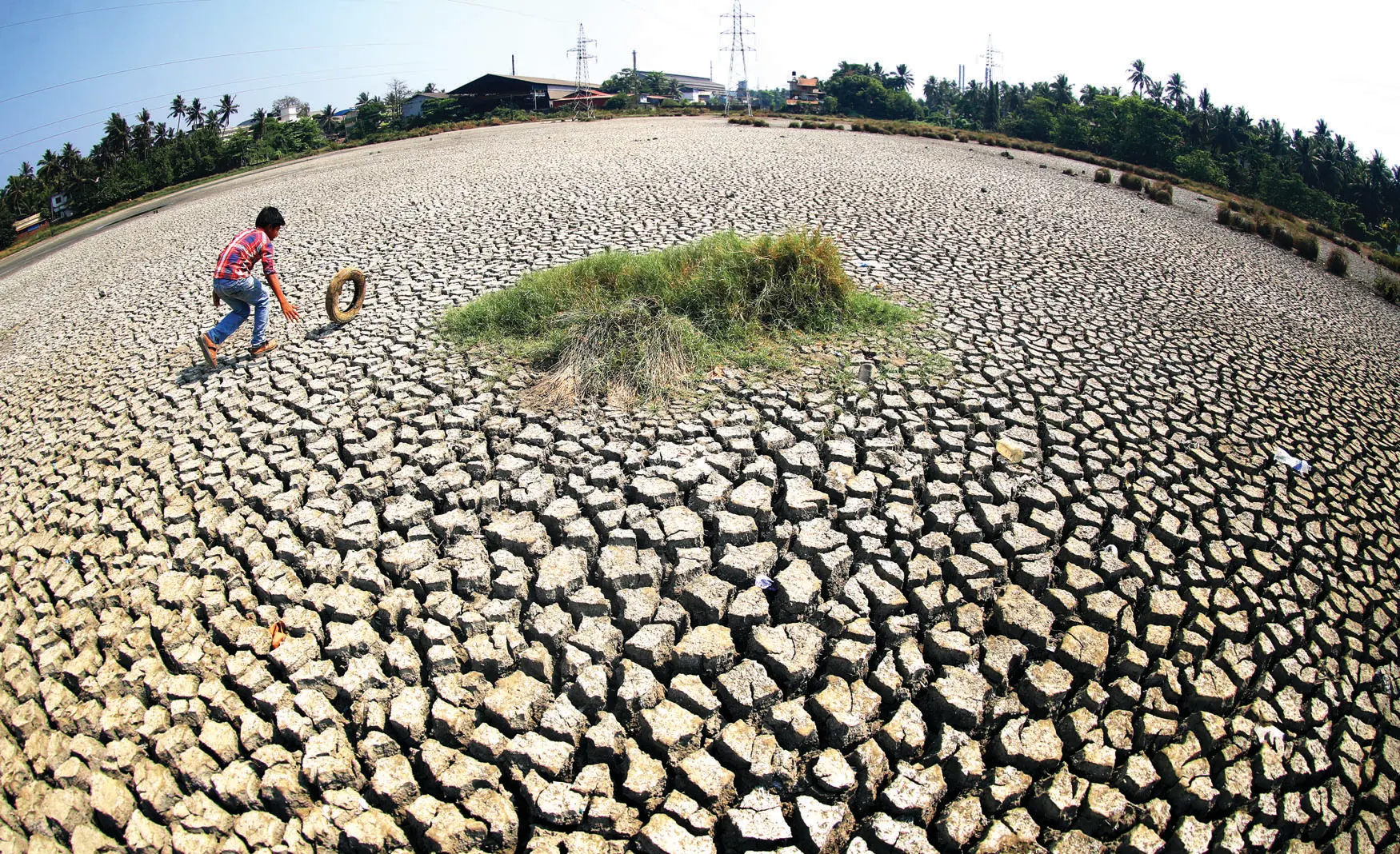
Thiruvananthapuram: Meteorologists warn that India may be heading towards its driest monsoon in over a century. The primary culprit behind this projected rainfall deficit is El Nino—a phenomenon characterised by the unusual warming of surface waters in the Pacific Ocean. This development poses a severe threat to the nation's agricultural sector and water security, as it is expected to adversely impact not only the Southwest Monsoon (June 1 to September 30) but also the subsequent Northeast Monsoon.
Data indicates a strong possibility that this could become the year with the lowest rainfall in the last 150 years. Estimates suggest the country may receive only 86% to 94% of its Long Period Average (LPA) rainfall. While normal rainfall is expected until mid-June, the number of dry days will rise sharply in July and August as El Nino intensifies. Because the phenomenon is predicted to persist until January or February of next year, the country faces a looming threat of severe water scarcity and drought.
Kerala is also projected to receive far less than its long-term average rainfall of 2018 mm. This is because El Nino disrupts the upward movement of atmospheric air necessary for cloud formation. Consequently, weather systems that typically bring rain—such as low-pressure areas, cyclonic circulations and cyclones—are expected to drop remarkably in number. Compounding the worry, whatever rain does fall is likely to occur as short, extremely intense spells.
Alongside the rainfall deficit, an unprecedented rise in temperatures poses an additional challenge. The incoming El Nino is forecast to be far more potent than the one that triggered the 2024 heatwaves. This has raised global anxieties that 2027 could go down in history as the hottest year ever recorded.