Extreme heat incoming: Centre issues these guidelines for states to prepare for health crisis!
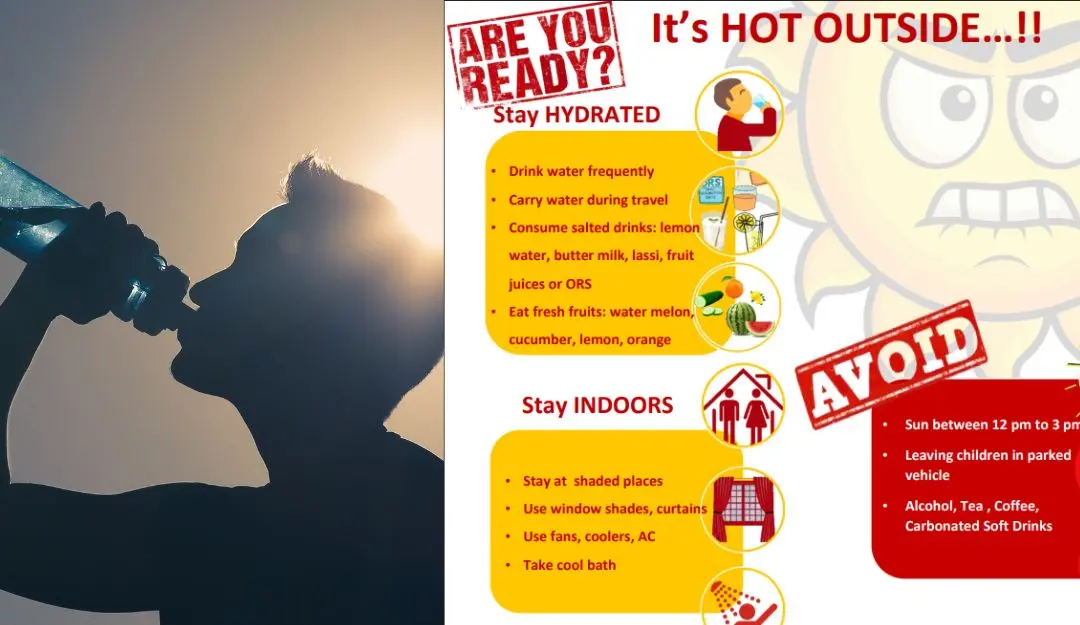
New Delhi: As temperatures across India continue to climb, the Centre has instructed states to review the preparedness of health facilities for managing heatstroke cases and other heat-related illnesses.
In a letter issued by Union Health Secretary Punya Salila Srivastava, she emphasised that with the onset of summer, the country could experience heightened exposure to extreme heat conditions. Some regions have already started recording high temperatures, she noted, and enclosed the Seasonal Outlook for Summer 2025 from the India Meteorological Department (IMD).
Srivastava highlighted the importance of public health and clinical guidelines on 'Heat and Health,' which are available on the National Centre for Disease Control (NCDC) website. She requested states to distribute these guidelines to all districts, ensuring effective preparedness in health departments and facilities to prevent, manage, and monitor the health impacts of extreme heat.
The Union Health Secretary also pointed out that, from March 1, the Integrated Health Information Platform (IHIP) has been capturing patient-level data on clinical diagnoses of heatstroke across all states and Union Territories (UTs) through daily surveillance. Furthermore, the National Programme on Climate Change and Human Health, in collaboration with the NCDC, has conducted virtual training sessions, which she urged states to continue, using the provided training materials.
Srivastava stressed the importance of disseminating the daily heat alerts issued by the IMD. These alerts, which include heatwave forecasts for the upcoming three to four days, are shared by NCDC with states and should be promptly communicated to all health facilities.
She further directed health departments at the state, district, and city levels to implement Heat-Health action plans. This includes coordinating with other agencies to plan, manage, and assess responses to extreme heat.
The Union Health Secretary also urged state and UT health departments to continue efforts to sensitise medical officers, health staff, and grass-roots workers on the recognition and management of heat-related illnesses. She stressed that health facilities must ensure the availability of essential supplies, including medicines, intravenous fluids, ice packs, and oral rehydration salts (ORS), to provide emergency cooling in response to heatstroke cases.
Additionally, Srivastava noted that guidance on establishing heatstroke management units and managing severe heat-related illnesses has already been disseminated. Health facilities must also ensure an adequate supply of drinking water and the proper functioning of cooling appliances in critical areas.
In terms of fire safety, she advised health facilities to conduct thorough inspections, safety audits, and ensure compliance with fire safety norms, including obtaining fire NOCs (No Objection Certificates).
To increase resilience to heat, Srivastava encouraged health facilities to ensure uninterrupted electricity supply for cooling systems and to consider the installation of solar panels, where feasible. Other measures include the use of energy conservation practices and the reduction of indoor heat through cool or green roofs, window shades, and outdoor shade structures. She also recommended exploring rainwater harvesting and water recycling systems to improve self-sufficiency.
Lastly, Srivastava called on states to make use of Information, Education, and Communication (IEC) materials, along with community awareness initiatives developed by the National Programme on Climate Change and Human Health, to educate the public on precautions to protect themselves from heatwaves.