Centre forms high-level panel to study demographic changes linked to illegal immigration
New Delhi: The Union government has constituted a High-Level Committee on Demographic Changes (HLCDC) under retired Supreme Court judge Justice Prakash Prabhakar Naolekar to examine demographic shifts across India arising from “illegal immigration and other unnatural causes”, according to a notification issued by the Ministry of Home Affairs (MHA).
The notification said demographic changes linked to illegal migration are no longer confined to border regions and are now affecting “urban centres, industrial corridors, tribal regions, and other socially and economically sensitive areas”.
It warned that such changes have created “extensive challenges” impacting public service delivery, local governance, resource distribution and social cohesion.
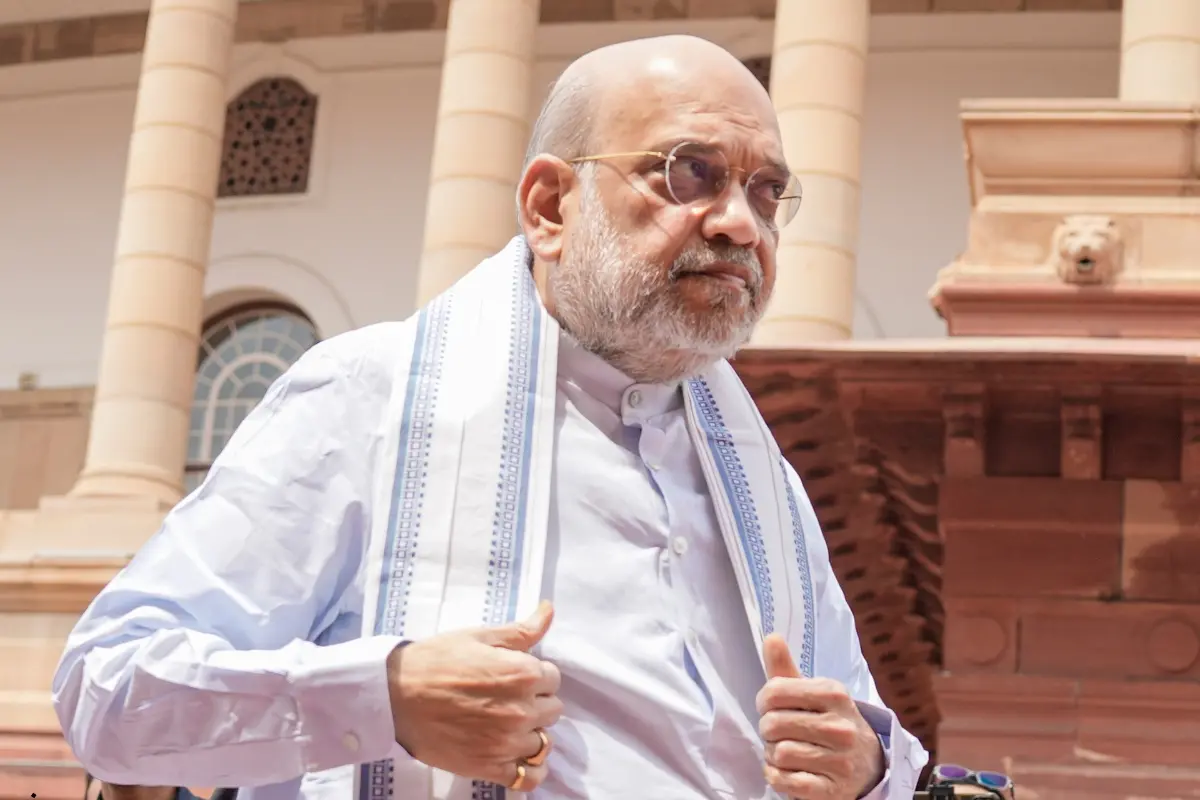
Union Home Minister Amit Shah had announced the formation of the committee earlier this week.
Headquartered in New Delhi, the panel will include the Census Commissioner as well as former IAS officer Durga Shankar Mishra, ex-IPS officer Balaji Srivastava and economist Dr Shamika Ravi as members. The Joint Secretary (Foreigners-I) in the MHA will serve as the member secretary.
The committee has been asked to submit its report within one year.
According to the notification, the government observed demographic changes in certain regions that are “not attributable to normal fertility or mortality trends” but are instead driven by “external abnormal factors” including illegal immigration, irregular population mobility and administrative laxity.
“Although these changes are most visibly concentrated in the border districts, their impact has extended beyond those areas,” the notification stated.
The MHA said the existing institutional framework was not adequately equipped to undertake “coordinated, evidence-based, and time-bound evaluation and response” to such demographic shifts.
The committee has been tasked with conducting a scientific study into the nature, causes and consequences of demographic changes across the country and recommending policy, administrative and legal measures.
Its mandate includes examining factors such as variations in fertility rates, cross-border movement including illegal immigration, economic opportunities and socio-environmental conditions contributing to demographic shifts.
The panel will also study “abnormal settlement patterns” and planned migration, while analysing structural population changes among religious and social communities, particularly where trends diverge significantly from national patterns.
In addition, the committee will recommend a “well-organised and permanent operational system” for the legal, fair and time-bound identification, detention and deportation of illegal immigrants residing in India.
The notification further stated that the panel would propose measures to strengthen border management, population stabilisation and identification systems, while also suggesting a framework for improved coordination between the Centre and states on demographic and migration-related issues.