BJP’s ‘Dimaagi Naxal’ meme push backfires as violent film clips trigger social media backlash
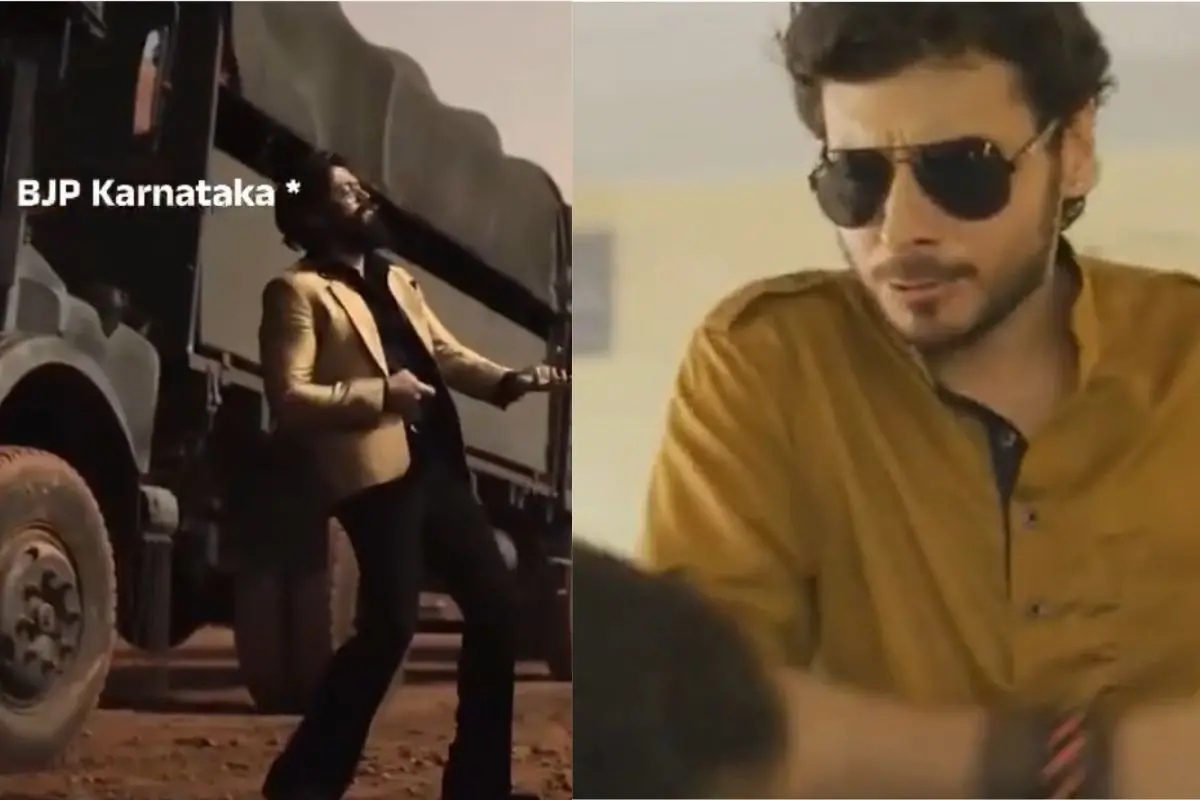
A social media campaign launched by several BJP units using popular film scenes to target those described as “Dimaagi Naxals” has triggered a backlash online, with critics accusing the party of using violent imagery against young protesters and political opponents.
BJP’s Chhattisgarh unit shared a meme featuring a popular scene from the web series Mirzapur, in which Munna Tripathi confronts college students involved in university politics.
In the scene, the character says, “I have told you 50 times, students who are supposed to study should stay away from politics. Focus on your education, become IAS officers and take care of the country. But no!”
Sharing the clip, BJP Chhattisgarh wrote: “Instead of being ‘Dimaagi Naxal’ you can be someone who can participate in Nation’s progress.”
ALSO READ: Dimagi naxal party: New X, Instagram accounts go viral after PM Modi’s remark; Is this the next CJP?
The post was followed by another Mirzapur-based meme featuring a confrontation involving Bastar Naxals and those described as “Dimaagi Naxals”.
“Avengers Assemble. After eliminating the Naxals in Bastar, it’s time to take on the ‘Dimaagi Naxals,’” the BJP unit wrote.
However, the meme campaign soon took an unexpected turn, with social media users turning the posts back on the party and questioning the use of violent fictional characters and scenes to make a political point.
‘You identify with the villain’: Social media users hit back
The criticism was not limited to BJP Chhattisgarh. BJP Delhi, BJP Madhya Pradesh and other party units also joined the social media trend.
One user reacted to the posts by writing: “So now BJP is directly threatening GENZ of violence if they agitate… GENZ; the only way to save yourself now is to throw BJP out of power and this nation!!!”
Another user wrote: “Not surprising at all that you identify with the villain in Mirzapur.”
A third questioned the messaging itself: “So the so-called anti-nationals, i.e. dimaagi naxals, should go become IAS officers??????”
The backlash intensified after BJP Karnataka shared another film clip from KGF Chapter 2, showing actor Yash firing at people on the other side.
Critics interpreted the repeated use of violent scenes as political messaging directed at protesters and young people opposing the government.
Congress Kerala also joined the criticism, taking a dig at the BJP’s campaign.
“The ruling party of World’s largest democracy is threatening to kill the world’s largest youth population because they protested against them. World needs to watch this. @UN, @UNinIndia take cognisance of this war cry for genocide,” the Congress unit wrote.
What does ‘Dimaagi Naxal’ mean?
The social media campaign comes amid a renewed political debate over the use of terms such as “Naxal” and “anti-national” in political discourse.
The phrase “Dimaagi Naxal” gained fresh political attention after Prime Minister Narendra Modi used it during his Independence Day address.
In his speech from the Red Fort, PM Modi said that while the country had curbed “hathiyari naxals”, or armed Naxals, there were also people with Maoist thinking operating in different parts of the country.
“For years, people with Maoist thinking were there in public life; even in government committees, this thinking had affected various institutions and initiatives,” PM Modi said.
He added that while armed Naxals had been curbed, “Dimaagi Naxals” were looking for opportunities and ways of violence and attempting to take the country in the wrong direction.
“We need to identify these Dimaagi Naxal, isolate them, and bring the youth together for a developed country,” the Prime Minister said.
The BJP’s latest meme campaign appears to draw directly from this political framing. But instead of generating only support online, the use of popular film villains and violent action sequences has sparked a counter-campaign, with users questioning whether the messaging was intended as satire, political trolling or something more threatening.