BJP defends first fuel price hike in 4 years: Cites global oil shock, West Asia crisis
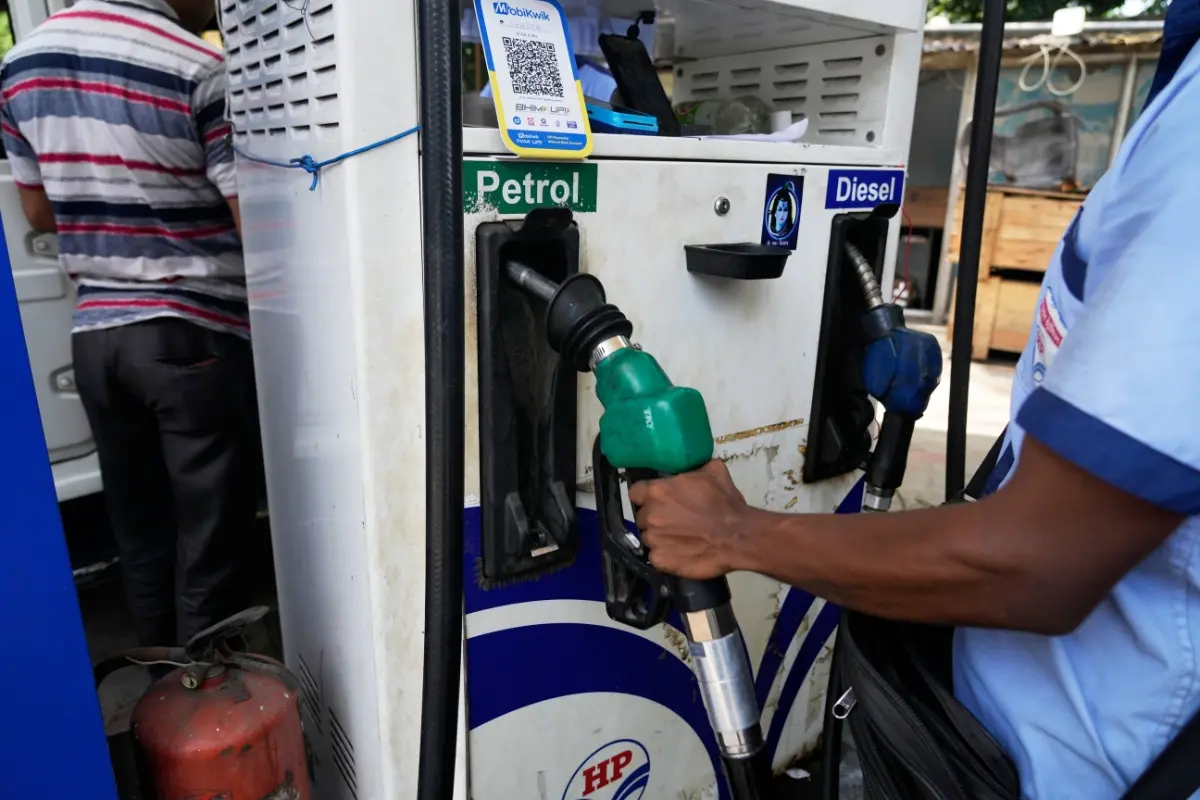
New Delhi: The Bharatiya Janata Party (BJP) on Friday defended the recent surge in domestic fuel costs, asserting that the Indian government successfully protected citizens from a global oil shock for over two months before implementing a "limited and calibrated" adjustment.
The defence followed an increase of Rs 3 per litre for both petrol and diesel, the first such price hike in more than four years. The adjustment comes as state-owned oil marketing companies face mounting losses driven by a spike in international crude oil prices.
Amid the ongoing West Asia crisis, Prime Minister Narendra Modi recently proposed several conservation strategies to protect foreign exchange reserves. These measures include a shift toward electric vehicles, increased use of metro services, carpooling, and the adoption of work-from-home schedules.
Global Comparisons
Amit Malviya, the head of the BJP’s IT cell, stated on the social media platform X that India’s price adjustments remain among the lowest of the world's major economies. He noted that petrol and diesel prices rose by 3.2 per cent and 3.4 per cent, respectively.
"The Rs 3 per litre increase announced on May 15 is effectively the first fuel price hike in nearly four years, and on a base price of around Rs 95 per litre, it translates to only about a 3.5 per cent increase," Malviya said. "India emerged as a distinct and noteworthy exception in this entire picture. India recorded the lowest increase among major economies."
Malviya emphasised that India’s public sector oil companies, which control roughly 90 per cent of the retail market, insulated consumers for 76 days by absorbing the rising costs of international crude.
"For 76 days after the West Asia crisis intensified, India's public sector oil marketing companies did not pass on the full burden of rising international crude oil prices to consumers. They absorbed a significant portion of the cost themselves," he added.
Economic Impact and Market Volatility
Citing various reports, Malviya claimed that under-recoveries for oil companies had climbed to nearly Rs 1,000 crore daily. He attributed the volatility to disruptions in the Strait of Hormuz, which kept Brent crude prices above $100 per barrel throughout much of April and May.
The BJP leader compared India’s situation to that of other nations, claiming that between late February and mid-May, countries such as the United States, Malaysia, and the United Arab Emirates experienced significant price jumps. Malviya provided data suggesting that fuel costs in Pakistan rose by 55 per cent over three months, while U.S. prices surged by nearly 45 per cent.
"In several countries, diesel prices have risen between 50 per cent and 100 per cent, especially because diesel directly affects freight movement, trade and logistics," Malviya remarked. "Only Saudi Arabia saw no increase because of its direct subsidy mechanism. But among major economies, India remained the country where the burden on ordinary citizens was kept the lowest."
Political Reactions
Malviya concluded that while global fuel costs rose by 10 to 90 per cent in various regions, India’s government restricted the impact to approximately 3 per cent.
BJP national spokesperson Pradeep Bhandari echoed these sentiments, accusing the opposition Congress party of "political opportunism" during a global energy emergency.
"In India, fuel prices have increased by only around 3 per cent, compared to the global average increase of over 20 per cent," Bhandari stated. "140 crore Indians are standing with economic patriotism under Prime Minister Narendra Modi."
With inputs from PTI