Bengaluru metro fare hike: New rates make it India’s most expensive metro
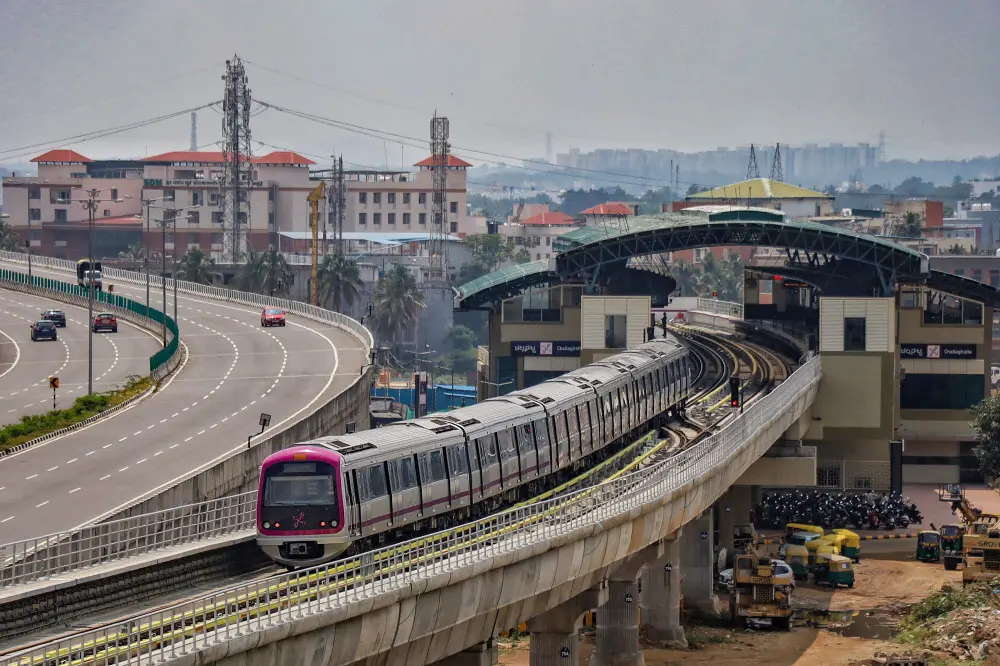
Bengaluru Metro Rail Corporation Limited (BMRCL) has implemented a fare hike of nearly 50%, making Bengaluru Metro the most expensive public transport system in India, officials said. The revision, based on recommendations from the Fare Fixation Committee, is one of the largest increases in recent years and introduces differentiated pricing for peak and non-peak hours.
Under the new fare structure, the minimum charge for journeys up to 2 km remains at Rs 10, while the maximum fare for trips exceeding 25 km has jumped from Rs 60 to Rs 90. Intermediate fares have been adjusted as well: commuters travelling 10-12 km will now pay Rs 60, those covering 15-20 km will be charged Rs 70, and journeys between 20-25 km will cost Rs 80. In addition, the minimum balance required on smart cards has risen from Rs 50 to Rs 90.
To mitigate the cost burden, smart card users receive a 5% discount during peak hours and a 10% discount during non-peak periods. However, these concessions have done little to ease concerns among daily commuters, who worry that the steep fare increase may discourage public transport usage and push more people toward private vehicles, thereby worsening traffic congestion.
In contrast, other major Indian metro networks continue to offer significantly lower fares. The Delhi Metro, despite operating over a larger area, charges a maximum fare of Rs 60. Meanwhile, the Ahmedabad Metro starts at Rs 5 for the first 2 km and caps fares at Rs 25 for a 40 km journey, while the Pune Metro fares range from Rs 10 to Rs 40. Kolkata Metro remains the most affordable, with fares between Rs 5 and Rs 25. BMRCL defends the fare hike as a necessary measure to fund network expansion and enhance operational efficiency.