HMPV and COVID-19 - How similar are they? Should India be worried?
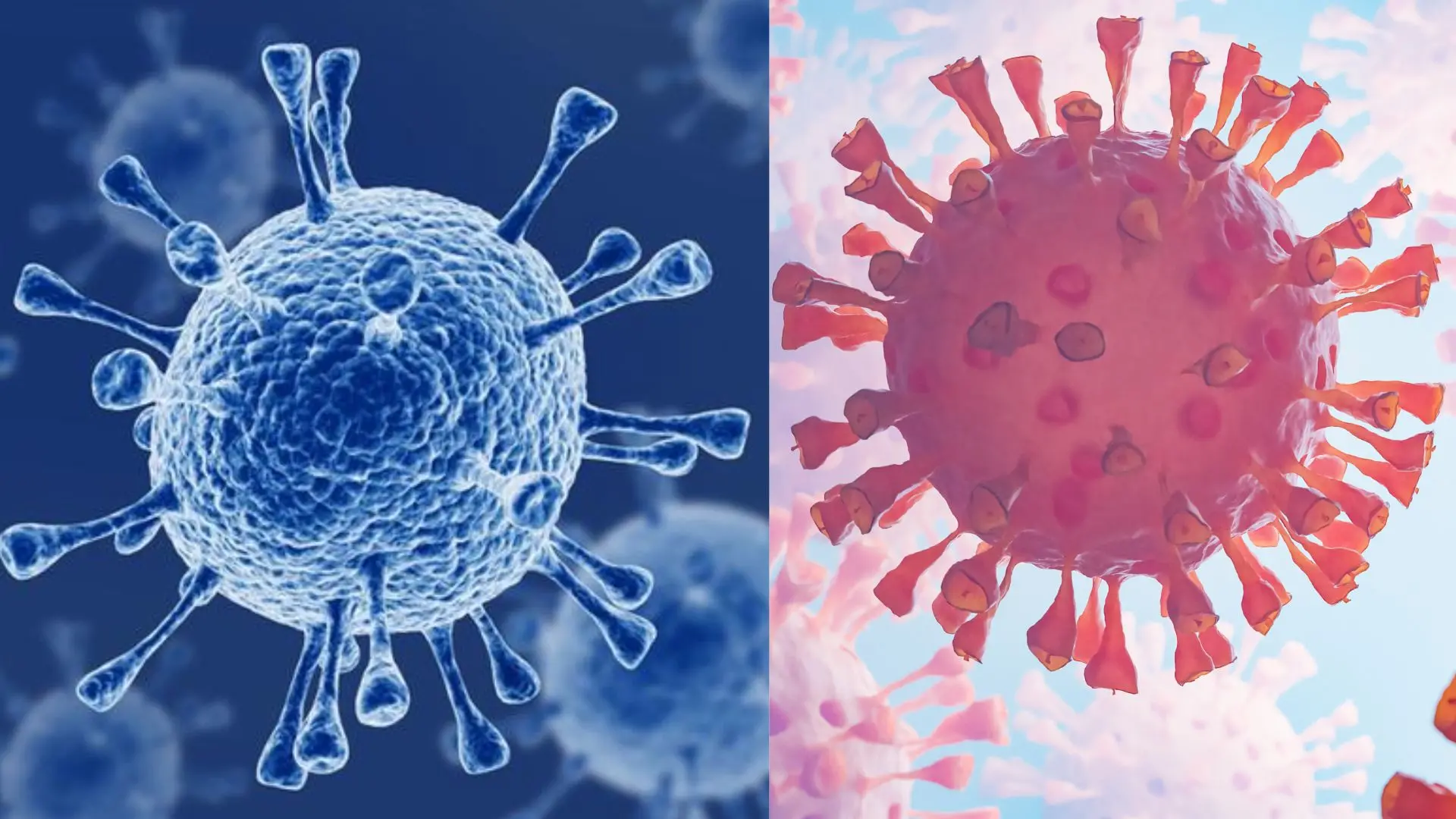
In the latest developments, two babies in Karnataka’s Bengaluru tested positive for Human Metapneumovirus (HMPV) infection, sparking concerns about the potential spread of this virus. Experts are now drawing comparisons between HMPV and the COVID-19 virus, which caused a global pandemic in 2020 and 2021. While both viruses are distinct in their nature, there are striking similarities that could pose major risks to public health.
Respiratory impact across all age groups
Like COVID-19, HMPV is a respiratory virus that affects people of all ages. The virus can be especially dangerous for younger children, older adults and individuals with weakened immune systems. These groups remain most vulnerable to severe illness, which makes monitoring and controlling the spread crucial.
Similar symptoms: A cause for concern
Both HMPV and COVID-19 share a number of similar symptoms, which can make early detection more difficult. The most common signs of HMPV infection include fever, cough, nasal congestion and shortness of breath—symptoms that also align with COVID-19 cases. The overlapping nature of these symptoms heightens the importance of accurate diagnosis, especially when distinguishing between the two viruses in a healthcare setting.
Transmission methods: person-to-person spread
Both viruses spread in similar ways. They can be transmitted from one person to another through respiratory droplets, often resulting from sneezing or coughing. Close contact, as well as touching contaminated surfaces and then touching the mouth, nose or eyes are also key methods of transmission for both HMPV and COVID-19. This makes hygiene practices and social distancing vital in curbing the spread of these viruses.
Seasonal circulation patterns
Research indicates that both HMPV and COVID-19 are temperature-sensitive and exhibit seasonal patterns. While COVID-19’s spread fluctuates with seasonal changes, particularly influenced by colder temperatures, HMPV also shows a peak during specific seasons. In the United States, where it was reported previously before China, infections from HMPV are typically highest from late winter to early spring, similar to how COVID-19 cases spiked in certain seasons during the global pandemic.
As scientists continue to study HMPV’s characteristics, it is clear that the similarities between this virus and COVID-19 demand attention. Both viruses have the potential to spread quickly and cause significant respiratory distress in vulnerable populations. With ongoing research and heightened awareness, authorities and the medical community are working hard to ensure that health systems remain prepared for any potential outbreak.