Bank strike from September 28: Why are employees protesting and which services may be affected?
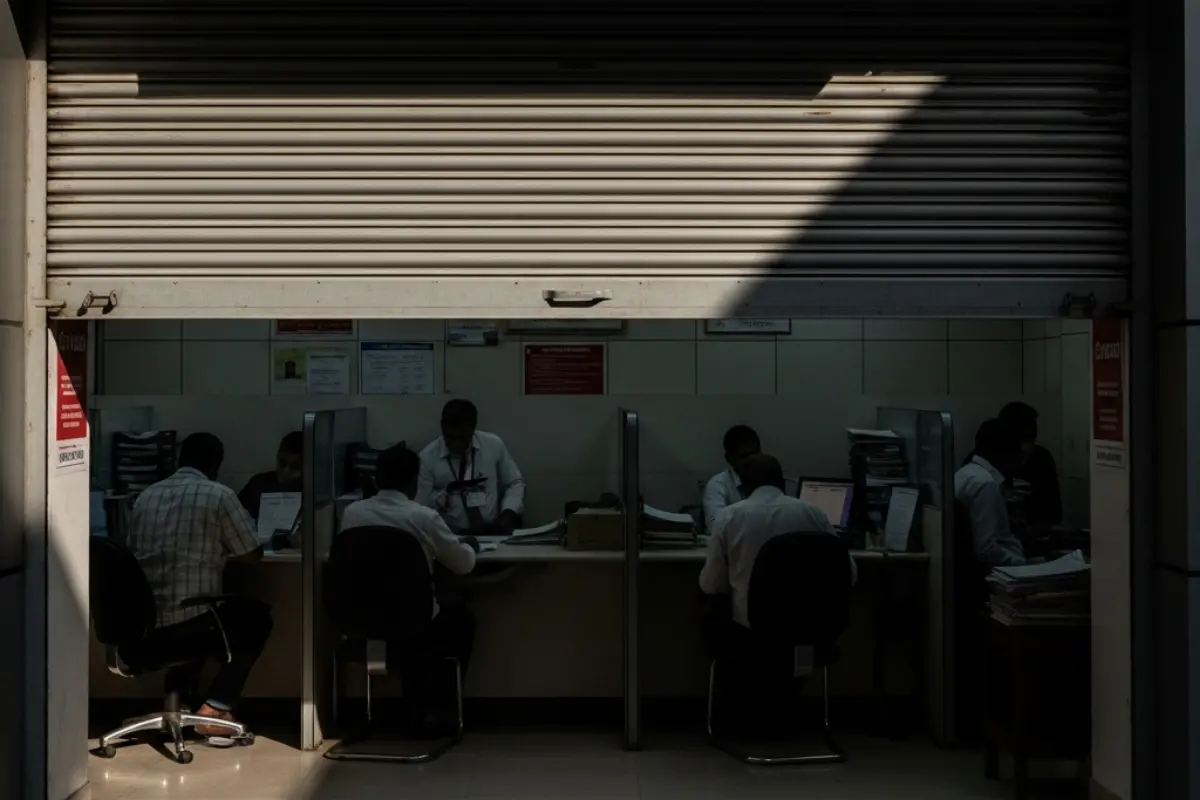
Bank customers have been advised to plan important branch-related transactions ahead of September 28, when bank employee unions are scheduled to begin a three-day nationwide strike.
The UFBU has maintained its call for a strike on September 28, 29 and 30, despite appeals from the Finance Ministry, the Indian Banks’ Association and bank managements to defer the action and continue negotiations. The immediate issue is the unions’ demand for implementation of a five-day banking week.
The timing could create an extended disruption for customers. September 26 and 27 fall on the preceding weekend, while September 30 is the half-yearly closing date for banks. The Finance Ministry has warned that the combination could affect banking services for five consecutive days.
Which bank services could be affected?
The main impact is expected to be on physical branch services and transactions requiring employee assistance.
Customers who need to visit a branch for cash transactions, cheque-related work, account services, documentation or other in-person banking requirements should consider completing those tasks before September 28.
A similar disruption was seen during the September 11 bank strike, when branch-level cash transactions and cheque clearances were affected at several public sector banks, while digital banking services largely remained available.
Will ATMs and UPI work?
The proposed strike does not mean that all banking channels will shut down.
Banks have advised customers to use alternative channels such as:
- ATMs
- Automated Deposit and Withdrawal Machines (ADWMs)
- UPI
- Internet banking
- Mobile banking
- Bank-specific digital apps
- Customer Service Points or business correspondents, where available
SBI and Canara Bank have issued customer advisories asking people to plan transactions in advance and use digital and self-service channels during the strike period.
The Finance Ministry has also asked public sector banks to ensure adequate cash availability through ATMs and business correspondent outlets and to maintain alternative digital channels during the strike.
What customers should finish before September 28
Customers with time-sensitive physical banking work should avoid waiting until the strike begins.
This could include:
- Cash deposits or withdrawals that require a branch counter
- Cheque-related work requiring physical processing
- Account-opening or documentation work
- In-person customer service or grievance resolution
- Banking work requiring verification or assistance from branch staff
- Business transactions that depend on branch operations
Routine payments and transfers that can be completed digitally can generally be handled through available online banking, mobile banking and UPI channels.
Why are bank employees striking?
The central demand behind the current strike is the implementation of a five-day banking week.
The UFBU says the five-day workweek was agreed to under the March 2024 wage settlement but has not yet been implemented. During the September 22 conciliation meeting, government and banking representatives said the issue remained under consideration and appealed to the unions to defer the strike. The UFBU nevertheless decided to proceed.
The unions had also raised concerns relating to the Performance Linked Incentive scheme and other employee issues. The government has said the PLI scheme has already been kept in abeyance, while the five-day banking issue remains under consideration.
Why September 30 is important
The strike coincides with the half-yearly closing of banks on September 30.
The Finance Ministry has highlighted the date's importance for activities including reconciliation, provisioning, treasury and market operations. This is one reason the government has raised concerns about the timing of the strike.
The combination of the weekend and the three-day strike therefore creates the possibility of five consecutive days of limited branch availability.
Will every bank be closed?
Not necessarily. The strike has been called by bank employee unions, so the extent of disruption can depend on participation and the institution involved. The September 11 strike primarily affected public sector banks, while private-sector banks largely continued normal operations.
Customers should therefore check their individual bank's advisory rather than assume that every branch or every banking channel will be unavailable.
What happens after September 30?
The September action may not be the final round of industrial action.
The unions have also announced an indefinite strike from October 26 if the five-day banking issue remains unresolved.
What the strike means for customers
The most important distinction is between branch banking and digital banking.
The strike is expected to put the greatest pressure on services that depend on employees being physically present at branches. Digital payments, UPI, mobile banking and internet banking are separate channels and have continued operating during previous strike action.
For customers, the immediate practical issue is therefore timing. Anyone with banking work that cannot be completed digitally should consider finishing it before September 28, while routine digital transactions can be planned through alternative channels.
The situation could be particularly significant for businesses because the strike overlaps with the half-yearly closing period. Banks are also making contingency arrangements, including maintaining cash availability and alternative channels, to reduce disruption to essential services.