AIMPLB to pursue options to overturn SC verdict on maintenance for Muslim women
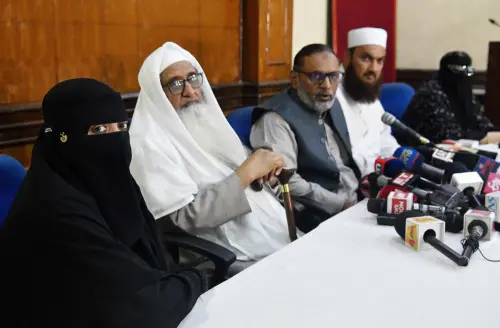
New Delhi: The All India Muslim Personal Law Board (AIMPLB) has strongly criticised the recent Supreme Court verdict on maintenance for Muslim women, asserting it goes against Islamic law (Shariah) and authorising its president to explore all avenues to overturn the decision.
After convening its working committee, the AIMPLB adopted a resolution condemning the Supreme Court's ruling that Muslim women can seek maintenance under Section 125 of the CrPC, applicable to all married women irrespective of religion. The board emphasised the Prophet's teachings against divorce and highlighted Quranic guidelines regarding marital issues.
The board expressed concern that the judgement would pose additional challenges for women who have already endured difficult relationships. AIMPLB's spokesperson, SQR Ilyas, stated that the board has empowered its president, Khalid Saifullah Rahmani, to pursue legal, constitutional, and democratic measures to reverse the Supreme Court's decision.
In addition to the stance on maintenance, AIMPLB passed resolutions opposing the Uniform Civil Code (UCC), asserting its impracticality and adverse impact on minority rights. The board criticised Uttarakhand's implementation of UCC and announced plans to challenge it in the high court, citing constitutional protections for religious practices.
AIMPLB also reaffirmed the significance of Waqf properties, intended for charitable purposes by Muslims, and condemned government actions aimed at weakening or eliminating Waqf laws.
The board denounced incidents of mob lynching and criticized the government for failing to ensure security for marginalized Muslims and lower-caste citizens. It emphasised the need for the Places of Worship Act to prevent disputes over religious sites, particularly referencing ongoing issues related to Gyanvapi Masjid and Shahi Eidgah in Mathura.
Regarding international affairs, AIMPLB condemned Israel's occupation of Palestine, describing it as a humanitarian crisis and urging the Muslim world to support Palestinians. The board highlighted India's historical solidarity with Palestine, from Mahatma Gandhi to recent leaders, and called for global attention to the plight of Palestinian civilians.
Overall, AIMPLB's resolutions underscored its commitment to defending Islamic principles, protecting minority rights, and advocating for justice in both domestic and international contexts. PTI