Air India turbulence probe takes new turn: Pilot reportedly tests positive in dope test
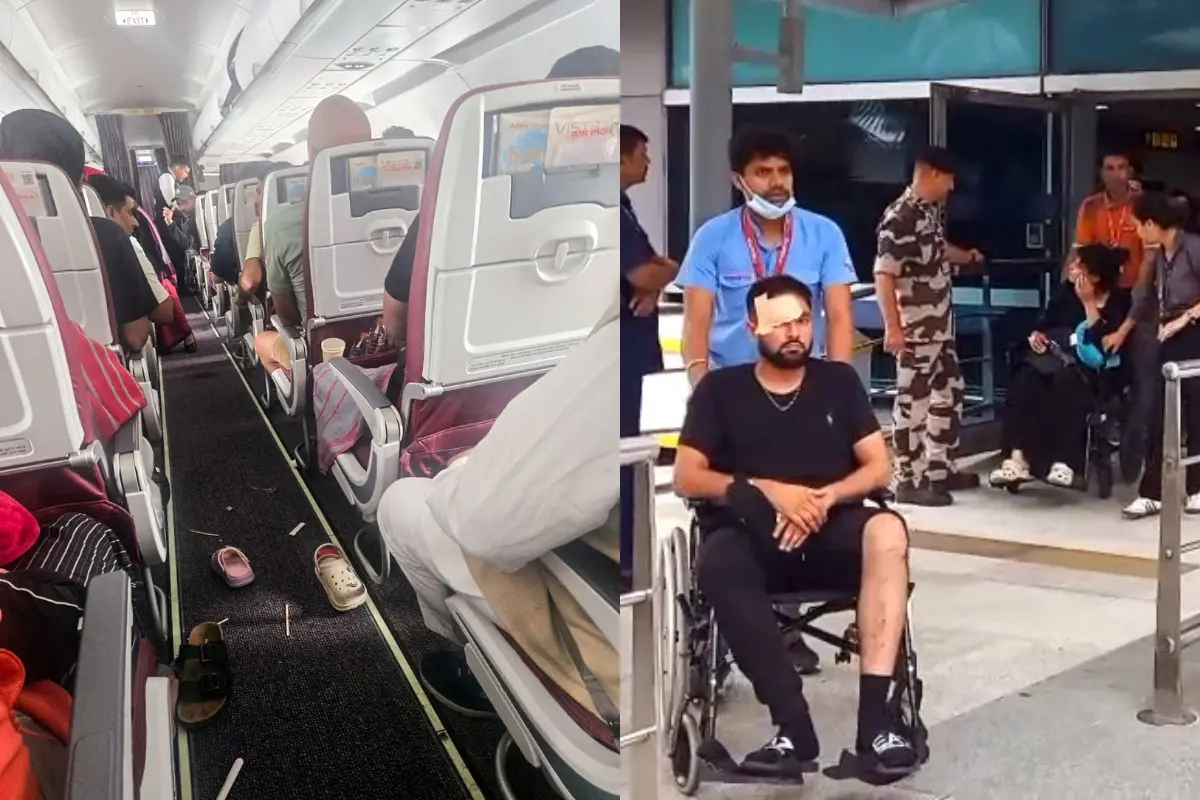
New Delhi: The captain of Air India's turbulence-hit Phuket-Delhi flight has reportedly tested positive for a psychoactive substance in a post-flight dope test, according to media reports citing sources, while the airline says the test results have not been shared with it and the findings have not been independently confirmed.
A new development has emerged in the investigation into the August 4 Air India Phuket-Delhi turbulence incident, with reports claiming that the flight's captain tested positive for a psychoactive substance in a post-arrival dope test.
The reported result, cited by media outlets quoting sources, is not yet an independently confirmed finding. Air India has said that although post-flight screening was conducted in accordance with applicable protocols, the results have not been shared with the airline.
The airline therefore said it was not in a position to comment on the reported findings.
What happened on the Phuket-Delhi flight?
Air India flight AI2379, an Airbus A320 operating from Phuket to Delhi on August 4, encountered severe turbulence for around four to five minutes.
The aircraft reportedly experienced a sudden loss of approximately 300 feet in altitude during the incident.
There were 137 passengers and eight crew members on board, according to the details provided in the reports. Several passengers and crew members sustained injuries.
Reports cited different injury counts, with the Civil Aviation Ministry saying at least 17 people were injured, while another update referred to 24 passengers being treated. Four crew members were also reported to have remained under medical observation.
What does a dope test check, and why is it important for pilots?
A dope test typically analyses a biological sample, such as urine or blood, to detect specified psychoactive substances. Psychoactive or prohibited substance simply means a drug or substance that can affect how the brain and body work and is not allowed under aviation rules. For pilots, the purpose is to identify drug use that could affect alertness, judgement, coordination or other abilities essential for safe flying.
Air India says test results have not been shared
Air India acknowledged that post-flight screening of pilots had been conducted but said it had not received the results.
The airline said it regularly conducts drug testing of crew members in accordance with civil aviation regulations and that such testing is carried out independently of individual flight incidents.
It also said it would continue cooperating with the relevant authorities.
Sources cited in media reports said another test had also been conducted, with its result still awaited. This means the reported initial positive result does not by itself establish that the captain was under the influence of a prohibited substance while operating the flight.
DGCA investigating multiple factors
The Directorate General of Civil Aviation (DGCA) is investigating the turbulence incident from several angles.
The probe is examining whether the crew responded appropriately to the severe turbulence, whether weather conditions or another factor contributed to the sudden altitude loss, and whether the aircraft sustained any technical damage.
Investigators are also looking at whether the aircraft should have diverted rather than continuing towards Delhi.
What happens if a pilot tests positive?
Under DGCA regulations, a pilot who tests positive for psychoactive substances for the first time is required to undergo de-addiction and rehabilitation procedures and can return to flying only after testing negative.
A second positive test can result in a three-year suspension of the pilot's licence, while a third positive test can lead to permanent cancellation of the licence.
Any action in this case would depend on the final test results and the findings of the aviation authorities.
Government monitoring the incident
Civil Aviation Minister K Ram Mohan Naidu said the situation was being handled with urgency and care.
Most injured passengers were reported to have received treatment and been discharged, while some crew members remained under medical observation.
The government is also working on wider aviation safety and regulatory measures, including navigation and vertiport standards.
The reported dope-test result adds another line of inquiry to an already wide-ranging investigation. Until the test results are formally shared and verified, the reported positive finding remains an allegation rather than an established conclusion.