Air India Express Delhi–Jammu flight returns mid-air due to suspected ‘GPS interference’
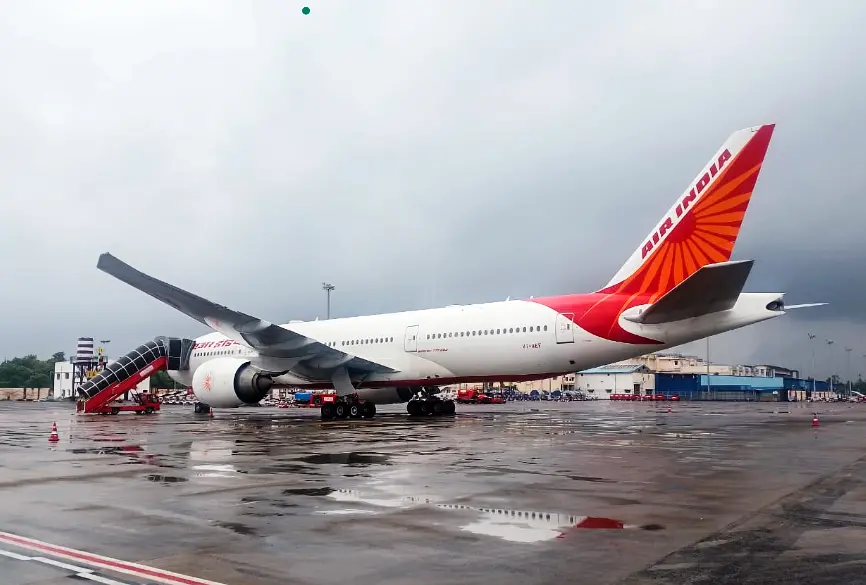
New Delhi: An Air India Express flight from Delhi to Jammu was forced to return mid-air on Monday following a suspected GPS signal interference incident, the airline confirmed in an official statement.
The flight, IX2564, was operated by an Airbus A320 aircraft and was scheduled to depart from Delhi at 10:40 AM. It eventually took off at 11:04 AM and was expected to land in Jammu at 12:05 PM.
However, during its journey, the aircraft experienced a suspected disruption in GPS signals, prompting the flight crew to divert the plane back to the Indira Gandhi International Airport in Delhi as a precautionary measure. The aircraft landed safely without incident.
A revised statement from an Air India Express spokesperson said, “Our Delhi-Jammu flight returned to Delhi as a precautionary measure, following a suspected GPS interference incident. Subsequently, an alternative flight was organised to connect guests to Jammu. We regret the inconvenience caused. Instances of GPS signal interference have been reported by operators while flying over certain sensitive regions.”
While the airline did not specify the exact location where the interference was detected, the measure to return was taken in the interest of passenger and flight safety.
Flight tracking data from Flightradar24 corroborated the timeline, showing the aircraft's early departure delay and its eventual return to the departure airport. Following the diversion, Air India Express arranged a replacement aircraft to resume the Delhi–Jammu service and transport the affected passengers to their destination.
In an earlier communication, the airline attributed the aircraft’s return to “a technical issue” before confirming the suspected GPS disruption as the reason.
This is not the first time airlines have reported such problems. Global aviation operators have increasingly flagged GPS signal interference and spoofing over specific high-risk or geopolitically sensitive areas. Such incidents pose serious navigational risks and are closely monitored by both airline operators and aviation regulators.
The Directorate General of Civil Aviation (DGCA) is expected to be briefed about the incident, and a further probe may be initiated to determine the source and implications of the GPS interference.
Passengers were safely accommodated on the replacement flight, and the airline expressed regret over the disruption to their travel plans.
(With ANI inputs)