Navy Chief: India was ‘just minutes away from strike’ against Pakistan during Op Sindoor | VIDEO
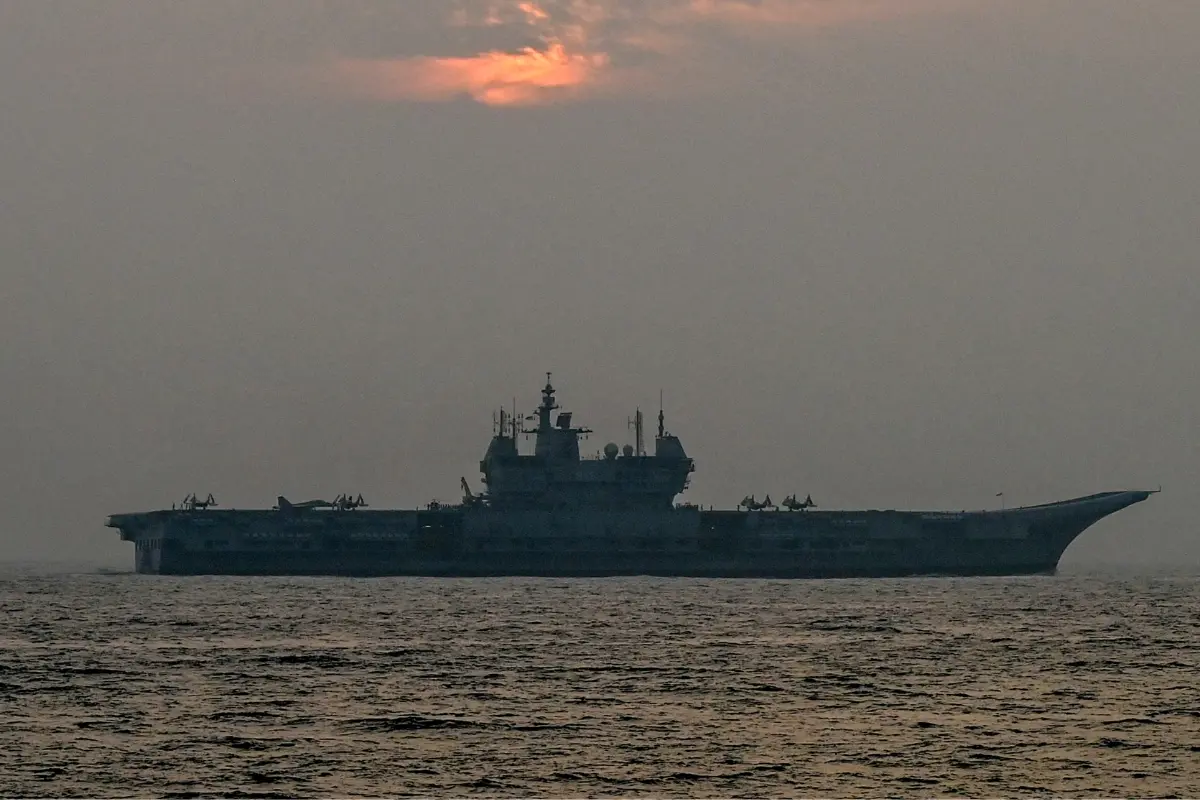
Mumbai: Naval Chief Admiral Dinesh K. Tripathi revealed on Wednesday that the Indian Navy was within minutes of launching a maritime strike against Pakistan during Operation Sindoor before Islamabad issued an urgent request to halt kinetic actions.
Speaking at a naval investiture ceremony, Admiral Tripathi detailed the Navy's pivotal role in the mission, which was initiated last year following the terror attack in Pahalgam. The Admiral utilised the event to present Yudh Seva Medals to two senior officers for their distinguished leadership during the high-stakes operation.
"It is not a hidden fact anymore that we were just minutes away from striking Pakistan from the sea, when they requested stoppage of kinetic actions," Admiral Tripathi said. He noted that the operation served as a definitive demonstration of the Navy's "exemplary readiness and resolve" through rapid deployment and a consistently aggressive posture.
Operational Highlights and Modernisation
The Navy Chief emphasised that the success of Operation Sindoor has bolstered national trust in the maritime force's capabilities. He also highlighted a historic 17-hour overnight embarkation on the western seaboard, during which the Prime Minister observed the "breadth and depth" of the fleet's operational strength.
Tripathi further reported significant strides in domestic production under the "Aatmanirbharta" initiative. He confirmed the Navy has completed its transition into a "builders Navy," commissioning 12 ships and submarines within a single calendar year.
Crisis in West Asia
Turning to current global instabilities, Admiral Tripathi provided a grim assessment of the conflict involving the United States, Israel, and Iran. Since hostilities erupted on Feb. 28, more than 20 commercial vessels have been targeted in the region.
The Admiral noted that approximately 1,900 vessels currently remain stranded due to the fighting. Furthermore, daily traffic through the strategic Strait of Hormuz has plummeted to just six or seven transits, a sharp decline from the pre-war average of 130.
"At a time when the global order is marked by increasing fragmentation and friction, the seas are no longer secondary theatres where continental conflicts spill over," Tripathi warned. "Instead, they are becoming the first arena where strategic intent is signalled and contested, often with disproportionate consequences."
Regional Leadership and Technology
The Admiral argued that shifting tactics and emerging technologies have made non-traditional maritime challenges increasingly unpredictable. He called for an organisational alignment of "functional agility and farsightedness" to meet these evolving threats.
Beyond combat roles, Tripathi reaffirmed India’s position as a primary regional responder. He cited recent Humanitarian Assistance and Disaster Relief (HADR) successes, including Operation Brahma in Myanmar and Operation Sagar Bandhu in Sri Lanka, as evidence of the Navy's versatility in challenging environments.
With inputs from PTI