Actor-politician Ranjana Nachiyaar resigns from BJP, calls three language policy wrong | WATCH
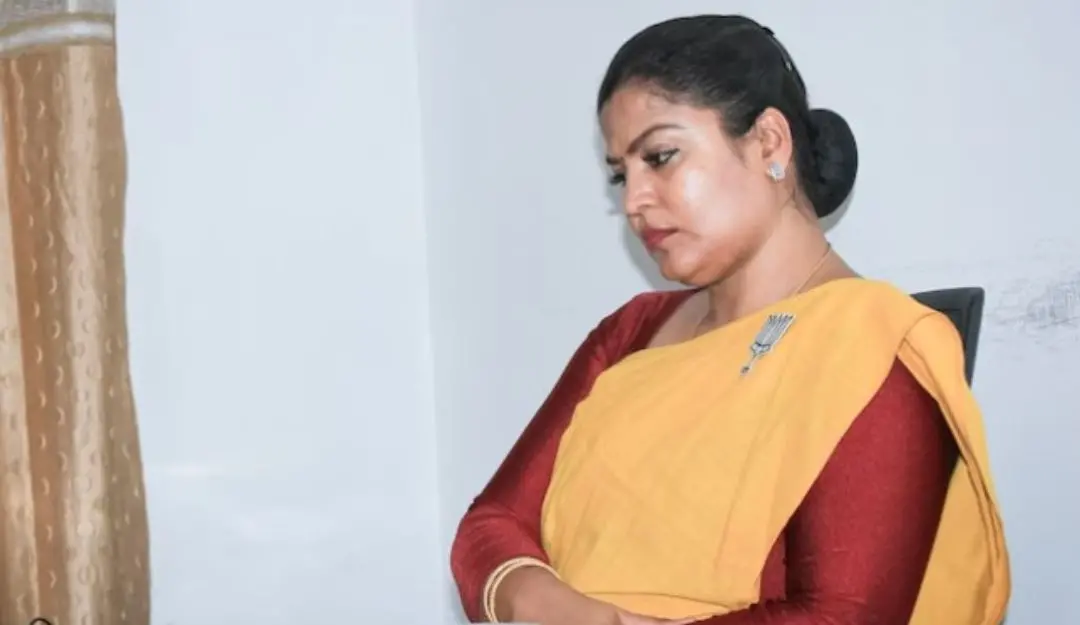
Actor-turned-politician Ranjana Nachiyaar resigned from the Bharatiya Janata Party (BJP) on Tuesday, citing the imposition of the three-language policy as a significant error.
In her resignation statement, she expressed strong disapproval of the policy.
Meanwhile, AIADMK MP M Thambidurai accused the ruling DMK government of manipulating the language issue for political gain ahead of the elections.
Speaking to the media, Thambidurai criticised the state's stance on the New Education Policy (NEP), highlighting the paradox of the government's approval of CBSE schools, which offer a variety of languages, yet express concerns over the inclusion of Hindi.
"The present state government is allowing several CBSE schools that teach multiple languages. If Stalin is serious, he should insist on shutting down all CBSE schools in Tamil Nadu, and that would resolve the language issue. These schools bring in all the languages, and with them, the National Education Policy. Why can't the ministers stand firm on having only two languages? The state government has allowed CBSE schools, which include Hindi and the NEP," he said.
"DMK is part of this political game. With elections looming, the language issue is being raised to garner votes. The government’s focus should be on providing welfare and facilities to the people. The language issue is a diversion from more pressing concerns," he added.
On Monday, DMK supporters staged a protest near the Trichy central bus stand in Tiruchirappalli against the proposed Trilingual Language System in Tamil Nadu. The protest saw party members distributing pamphlets to raise awareness of their opposition to the move.
The DMK has consistently advocated for the protection of the Tamil language, opposing any efforts to elevate Hindi, fearing it could erode Tamil culture and identity.
Earlier, DMK spokesperson TKS Elangovan voiced serious concerns over the NEP, accusing the central government of using the policy to "impose religious ideas on the education system."