'Will he be safe?' Internet erupts as Cockroach Janta Party founder returns to India for protest
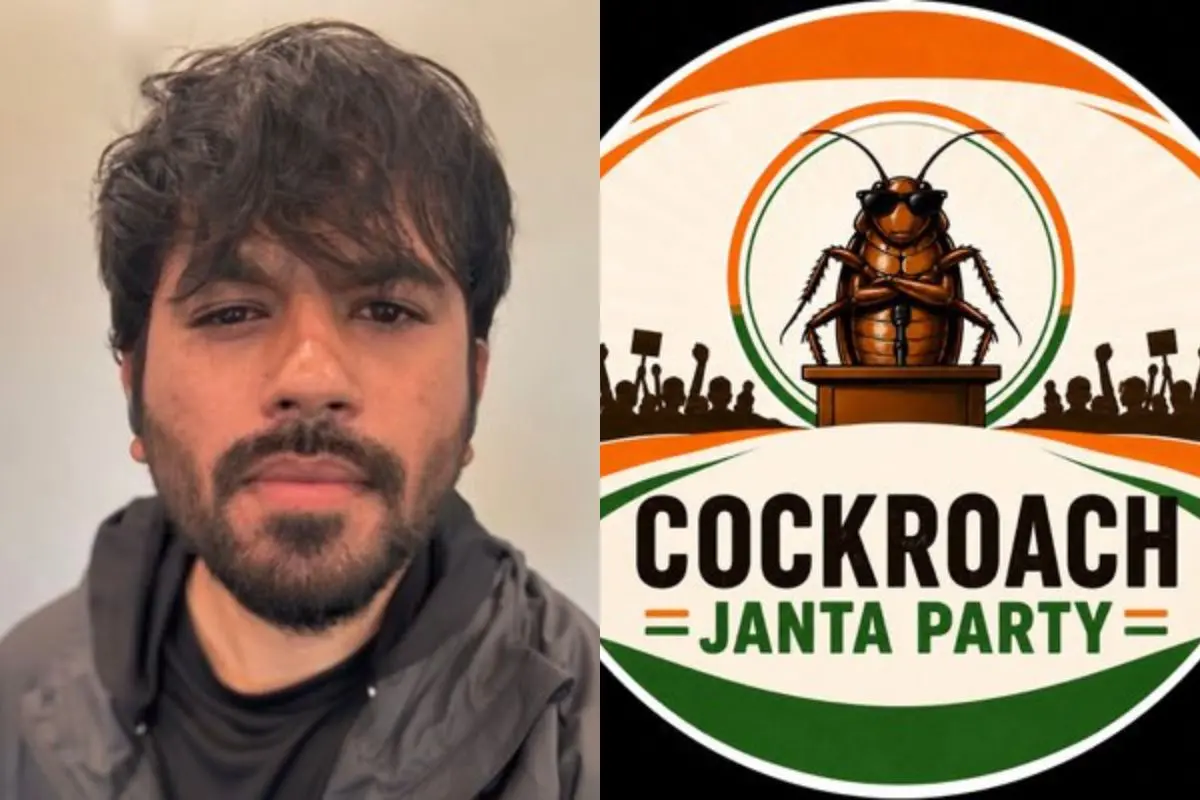
As Cockroach Janta Party founder Abhijeet Dipke prepares to return to India on June 6 to lead a protest over the NEET-UG 2026 controversy, social media is buzzing with one question: "Will he be safe?" Supporters and critics alike have flooded platforms such as X with reactions, with many expressing concern over what could await the viral youth figure upon his arrival.
Dipke's planned protest in Delhi has transformed his return into one of the most closely watched developments in the ongoing debate over accountability, examination reforms and student grievances.
From viral satire to a national conversation
The Cockroach Janta Party (CJP) began as a satirical online movement but quickly evolved into a viral youth-driven platform attracting millions of followers across social media. The movement gained momentum after widespread frustration over issues such as unemployment, competitive examinations and governance, with founder Abhijeet Dipke using humour, satire and political commentary to connect with young Indians. What started as internet activism soon developed into a larger conversation about accountability, transparency and the concerns of students and job seekers. In recent months, the party has become particularly vocal on the NEET-UG 2026 controversy, positioning itself as a platform that amplifies student grievances and demands action from authorities.
What began as a satirical online movement has evolved into one of the most talked-about youth-led campaigns in recent months.
Abhijeet Dipke, founder of the Cockroach Janta Party (CJP), has announced that he will return to India on June 6 and seek permission for a peaceful protest at Delhi's Jantar Mantar. His demand is clear: accountability over the NEET-UG 2026 controversy and the resignation of Union Education Minister Dharmendra Pradhan.
Dipke's announcement has generated significant discussion among students and young voters, many of whom have closely followed his criticism of examination-related controversies.
Why is Dipke returning now?
According to videos shared by Dipke on social media, he believes the time has come for citizens to use constitutional and democratic means to raise concerns about the handling of the NEET-UG issue.
He has called on supporters to gather at Delhi airport upon his arrival and accompany him to seek official permission for a demonstration at Jantar Mantar, one of India's most recognised protest venues.
Dipke has repeatedly stressed that the proposed gathering will be peaceful and conducted within constitutional limits.
The NEET-UG controversy remains a flashpoint
The planned protest comes amid continuing anger among students over the NEET-UG 2026 examination controversy.
Allegations surrounding a paper leak and concerns about examination management led to widespread criticism from students, parents and educators. Authorities later announced a re-examination scheduled for June 21.
For many aspirants, the controversy has become about more than a single examination. It has sparked broader debates about transparency, fairness and accountability in India's competitive examination system.
Can online support turn into real-world mobilisation?
One of the biggest questions surrounding June 6 is whether the movement's large digital following will translate into significant participation on the ground.
The Cockroach Janta Party gained rapid popularity online, particularly among younger users frustrated with issues such as unemployment, examinations and governance. However, converting online engagement into physical attendance has historically proven challenging for many digital movements.
The planned protest will serve as a key test of the movement's ability to mobilise supporters beyond social media platforms.
Will Abhijeet Dipke be safe?
As public attention grows around the protest, some supporters have expressed concerns about Dipke's safety and the possibility of disruptions.
At present, there is no official indication of any specific threat to Dipke. Any protest conducted with proper permissions and within legal guidelines is generally subject to established security arrangements by local authorities.
However, high-profile protests often attract intense public scrutiny, strong political opinions and large crowds, making crowd management and security important considerations for organisers and law enforcement agencies alike.
Dipke himself has consistently framed the protest as peaceful and rooted in constitutional rights, repeatedly invoking the principles of democratic participation and non-violent civic action.
A movement built around student frustration
The CJP founder has linked his campaign to concerns affecting students across multiple examinations and recruitment processes.
Supporters argue that repeated controversies involving competitive exams have damaged confidence in institutions and increased stress among students. Critics, meanwhile, question whether symbolic protests can deliver meaningful policy changes.
Regardless of where opinions fall, the issue has clearly resonated with a section of India's youth population.
Why Dipke says he is returning to India
Beyond the protest itself, Dipke has also drawn attention by stating that he intends to return to India despite receiving job opportunities in the United States.
According to his public statements, he believes that citizens have a responsibility to contribute to the country's future and participate in democratic processes when concerns arise.
The decision has become part of the broader narrative surrounding his return and the planned demonstration.
What happens next?
All eyes will now be on June 6. If authorities grant permission and supporters gather in significant numbers, the protest could become an important moment in the ongoing debate surrounding examination reforms and accountability.
Whether viewed as an activist, a satirist or an emerging public figure, Dipke's return has already succeeded in drawing attention to concerns that many students continue to raise.
Abhijeet Dipke's return to India is shaping up to be more than a personal homecoming. It is emerging as a test of whether a digital movement can channel student frustration into organised civic action. While questions remain about turnout, political impact and future developments, the June 6 protest is likely to become a closely watched event in the continuing conversation around the NEET-UG 2026 controversy and educational accountability in India.