J-K deports 150 Bangladeshis found living illegally: 600 identified, 150 more to follow
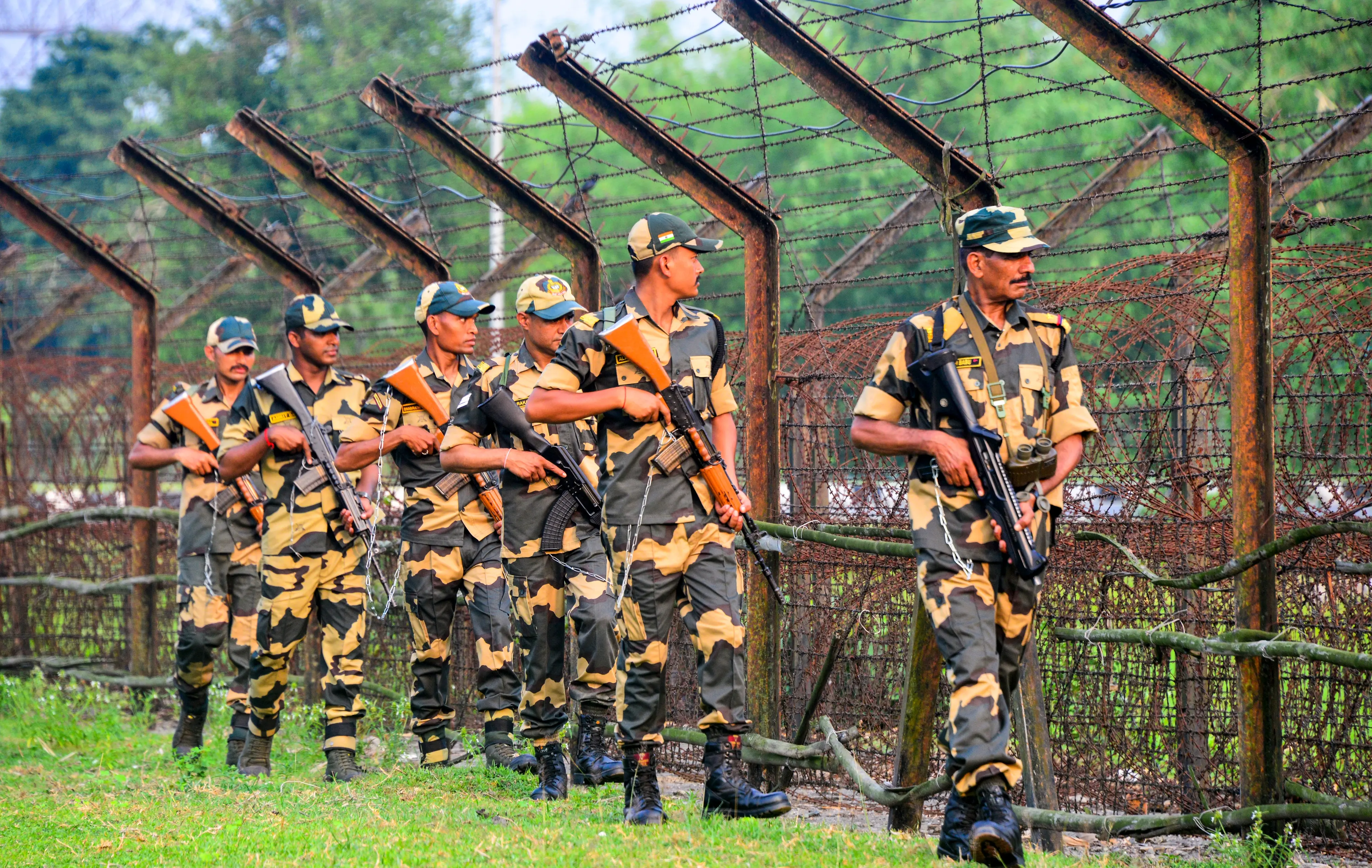
Srinagar: Around 150 Bangladeshi nationals allegedly living illegally in Jammu and Kashmir were shifted to West Bengal on Monday as part of the deportation process, officials said.
The group was flown to Bagdogra in a special Indian Air Force aircraft and handed over to Border Security Force (BSF) personnel. They are expected to be pushed back to Bangladesh, their country of origin.
Another batch of 150 Bangladeshi nationals is scheduled to be deported on October 7, officials said.
Also read | ‘Established beyond doubt’: Rahul Gandhi targets Gyanesh Kumar over Form 6 row
Around 600 Bangladeshis identified in Kashmir Valley
The action follows a survey conducted by the Jammu and Kashmir administration with the assistance of the J&K Police across the Kashmir Valley.
During the survey, around 600 Bangladeshi nationals were identified as allegedly staying illegally in different parts of the Union Territory, officials said.
The identified individuals were kept at a camp operated by the Srinagar Police before being transported to Bagdogra for the next stage of the deportation process.
The J&K administration had earlier informed the High-Level Committee on Demographic Change (HLCDC) about the identification of around 600 Bangladeshi nationals across various districts of the Union Territory.
Centre's high-level panel examining illegal immigration
The deportation comes amid a wider exercise by the Union Home Ministry to assess demographic changes linked to illegal immigration and other factors.
The Ministry of Home Affairs constituted the HLCDC on May 26 to study demographic changes arising from illegal immigration and recommend measures to address the issue. The committee has been given one year to submit its report.
The committee is headed by Justice Prakash Prabhakar Navlekar (retired).
Also read | West Bengal weather: Kolkata escapes heavy rain as monsoon nears withdrawal
Committee seeks demographic data from states, UTs
The HLCDC has sought detailed information from states and Union Territories on what it described as "visible changes" in religious demography over the past 15 years.
The information sought includes data from districts, border districts and industrial clusters, along with time-series data showing demographic changes over the years.
The committee has also sought administrative datasets, assessments of major demographic trends by state governments and information on the religious composition of tribal populations since 2011.
According to officials, the committee will scientifically assess demographic changes in different parts of the country, examine their causes, including illegal immigration and other abnormal factors, and recommend appropriate policy, legislative and administrative measures.
(With PTI inputs)