11 minutes before the fall: What CCTV reveals about Rasik Dulari’s final moments
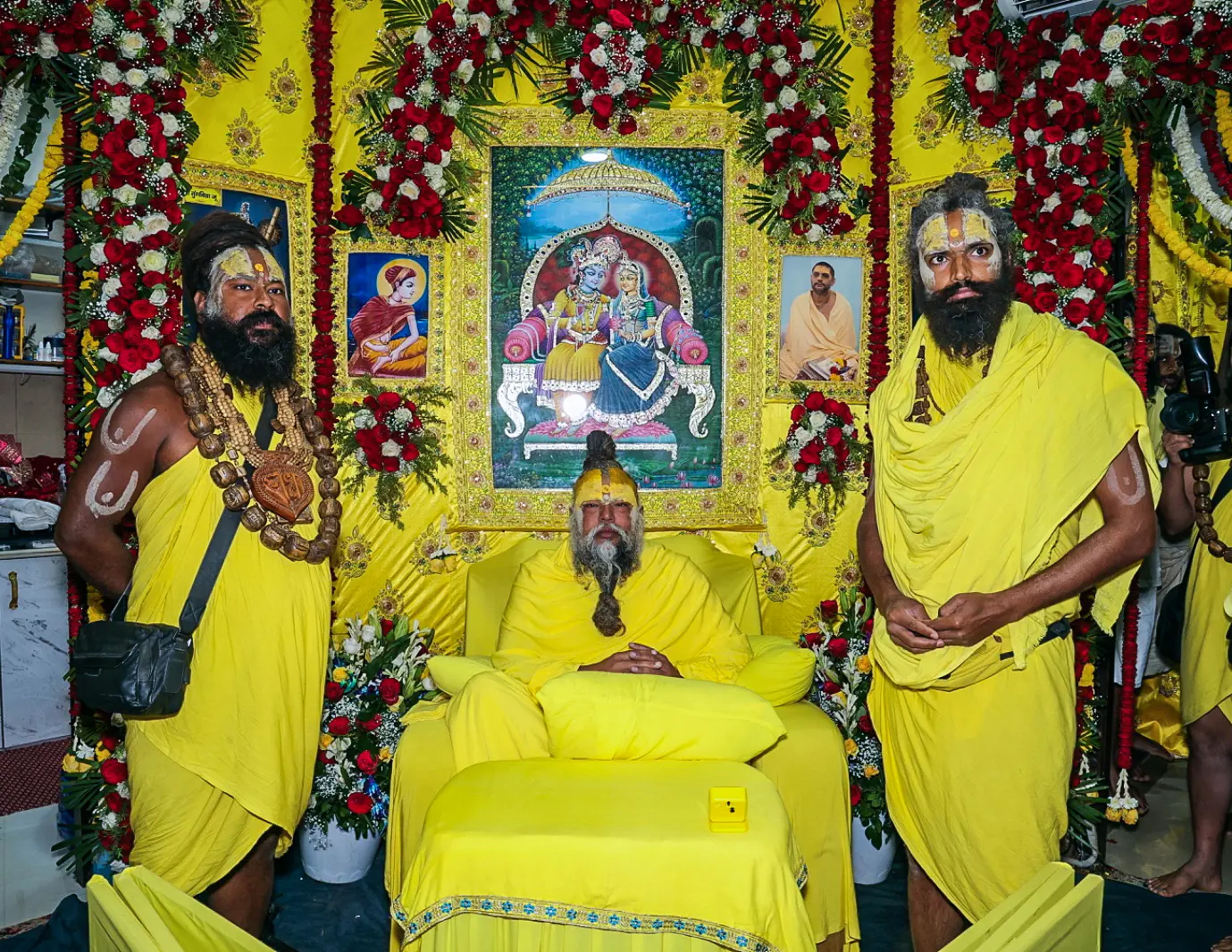
The death of 25-year-old Rasik Dulari Sharan, a disciple associated with spiritual leader Premanand Maharaj, is under investigation in Vrindavan after CCTV footage reportedly captured his final movements before he fell from the fourth floor of Guru Kripa Kunj Ashram on September 25. Police have said the footage indicates suicide at first sight, while forensic evidence and other circumstances are being examined.
Rasik Dulari Sharan, whose original name was Deepak Lodhi, was 25 and from Jabalpur, Madhya Pradesh. He had been associated with Premanand Maharaj and was living in Vrindavan.
Police said he died after falling from the fourth floor of Guru Kripa Kunj Ashram on September 25. He was taken to hospital but was declared dead.
What happened during the final 11 minutes?
CCTV footage has become a key part of the investigation.
According to reports based on the footage, Rasik left his room at around 10:25 am and was later seen making his way towards the fourth-floor terrace. At about 10:36 am, he fell from the building.
The footage reportedly shows him spending some time on the terrace before the fall. Police have taken possession of the CCTV recordings and DVR as part of the investigation.
The approximately 11-minute window has therefore become an important focus for investigators trying to establish what happened inside the room and immediately afterwards.
What did police find in the room?
Investigators reportedly recovered a grinder from Rasik's room that had blood stains. The item has been sent for forensic examination.
Police are also examining his mobile phone and other material recovered from the room. Investigators are seeking to establish his activities and communications before his death.
Media reports citing the post-mortem have reported multiple injuries, including a serious injury to his private parts, along with injuries attributed to the fall.
The reported findings have become a major part of the investigation because police are seeking to establish the sequence of events before he reached the terrace.
The details remain subject to forensic and police investigation rather than constituting a final conclusion about how the injuries occurred.
What is the police theory?
Police have said the CCTV footage, at first assessment, points towards suicide. However, investigators are examining the available evidence, including CCTV recordings, forensic material, the mobile phone and post-mortem findings.
This distinction is important: a preliminary police assessment is not the same as a final determination of the circumstances surrounding the death.
Rasik's family has questioned the circumstances surrounding his death and has disputed the suicide theory, according to media reports.
Relatives have also alleged that they were unable to meet him regularly after he joined the ashram and that they faced difficulties when travelling to Vrindavan to see him.
The family has sought a CBI investigation. These are allegations and demands made by the family and have not been established as facts. Police are continuing to examine the case.
Why is the CCTV footage important?
The footage could help investigators establish a timeline of Rasik's movements before his death.
The reported sequence from approximately 10:25 am to 10:36 am provides investigators with a defined period to examine alongside forensic evidence and digital records.
Police will need to determine whether the available evidence is consistent with the preliminary suicide theory and whether any other circumstances need further investigation.
Investigators are examining the CCTV footage, DVR, mobile phone, forensic material and post-mortem findings.
The forensic examination of the recovered grinder and other evidence could help investigators establish the sequence of events.
For now, the circumstances surrounding Rasik Dulari Sharan's death remain under investigation. Police have indicated that the CCTV evidence initially points towards suicide, while his family has raised questions and sought a separate probe.
The significance of the reported 11-minute period is that it gives investigators a relatively narrow timeline to reconstruct Rasik's final movements.
CCTV can establish where a person was and when, but it may not by itself explain what happened inside a room or the reasons behind a person's actions. That is why investigators are examining the footage alongside forensic findings, the recovered equipment, mobile-phone data and witness accounts.
The central unanswered questions are therefore not simply what the CCTV shows, but whether all available evidence forms a consistent account of the events preceding the fall.
Until the forensic and police investigation is completed, claims about the exact circumstances or motive should be treated as unconfirmed.