Delhi brutality: 16-year-old’s body identified by tattoo; 3 accused juveniles face adult-trial plea
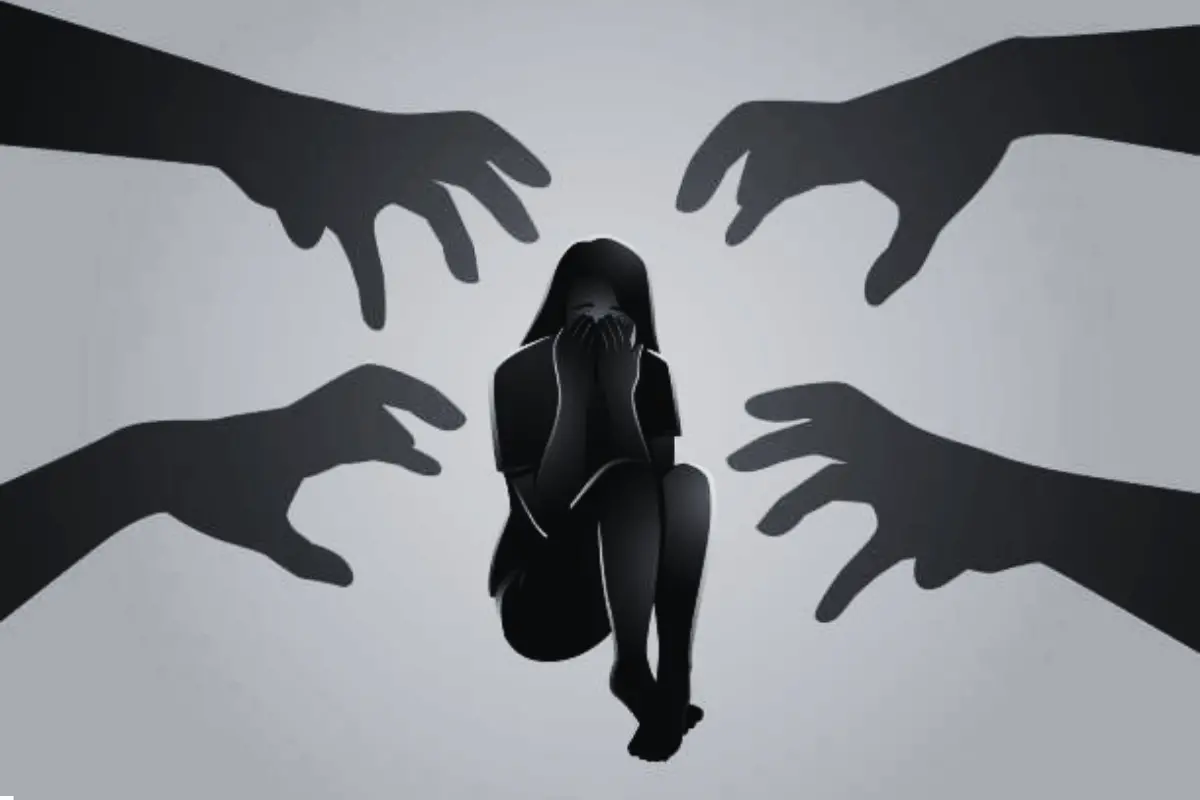
New Delhi: The 16-year-old girl was allegedly gang-raped and stabbed to death in the early hours of September 11 before her body was dumped in an open field near Kushak Road in Delhi's Swaroop Nagar. Her body was discovered two days later in a heavily decomposed and mutilated condition. Police subsequently identified her and arrested or apprehended four suspects in connection with the case.
The accused include a 19-year-old man and three juveniles aged 17, 17 and 16, according to police. The adult accused was arrested and sent to judicial custody, while the three juveniles were produced before the Juvenile Justice Board and sent to a correctional home for boys, according to the latest reports.
Police officers told Hindustan Times that investigators are preparing what they described as a comprehensive chargesheet and expect to submit it within a week. Police also intend to move an application seeking that the three juveniles be considered for trial as adults.
What happened in the Swaroop Nagar case?
Police said the girl had gone to meet one of the 17-year-old accused, who was known to her. Investigators allege that she was subsequently sexually assaulted by the group and stabbed before her body was taken to an open field. Police recovered two knives and clothing allegedly linked to the accused, according to earlier reports.
Police said the investigation began after a body was found in the field on September 13. The condition of the body initially made identification difficult. Investigators later used a tattoo consisting of three stars on the girl's left arm, along with other enquiries, to help establish her identity.
More than 50 CCTV cameras were examined as investigators attempted to reconstruct movements around the field. Police traced footage of a tempo near the location, established its ownership and questioned people connected with the vehicle. Investigators said this eventually led them to the four suspects.
Police have said they are still examining the sequence of events, the individual role of each accused and whether the killing was planned. Investigators are also verifying claims made during questioning rather than treating them as established facts.
Adult trial for juveniles is not automatic
The three juveniles are aged between 16 and 18, which means their alleged involvement in a heinous offence can trigger the procedure under Section 15 of the Juvenile Justice (Care and Protection of Children) Act.
Under the law, the Juvenile Justice Board must conduct a preliminary assessment for a child who has completed or is above 16 years of age and is accused of a heinous offence. The assessment considers the child's mental and physical capacity to commit the alleged offence, ability to understand its consequences and the circumstances in which it was allegedly committed. The law specifically states that this preliminary assessment is not itself a trial.
If the Board decides that the matter should be dealt with by the Board, it follows the relevant juvenile-justice procedure. If the statutory conditions for transfer are met, proceedings can move towards a Children's Court under Section 18(3). Therefore, the police request for adult trial does not by itself determine how the three juveniles will ultimately be tried.
NCW seeks time-bound investigation
The National Commission for Women has taken suo motu cognisance of the reported gang-rape and murder. The commission has sought a time-bound investigation, prosecution and preservation of forensic evidence.
The NCW has also called for appropriate action under the POCSO Act and Bharatiya Nyaya Sanhita and, where legally applicable, a preliminary assessment under Section 15 of the Juvenile Justice Act for accused aged between 16 and 18. It has also sought support measures for the victim's family, including legal aid, counselling and compensation.
According to Delhi Police, an FIR was registered at Swaroop Nagar police station under Sections 103(1), 238(A), 65(1) and 3(5) of the Bharatiya Nyaya Sanhita and Section 6 of the POCSO Act.
The investigation will now focus on completing the forensic and technical evidence, establishing the precise role attributed to each accused and preparing the chargesheet. The legal process concerning the three juveniles will depend on the findings of the Juvenile Justice Board and any subsequent proceedings before the competent court.