47 km of silence: Nearly a month later, police reveal what happened to minor inside Delhi bus
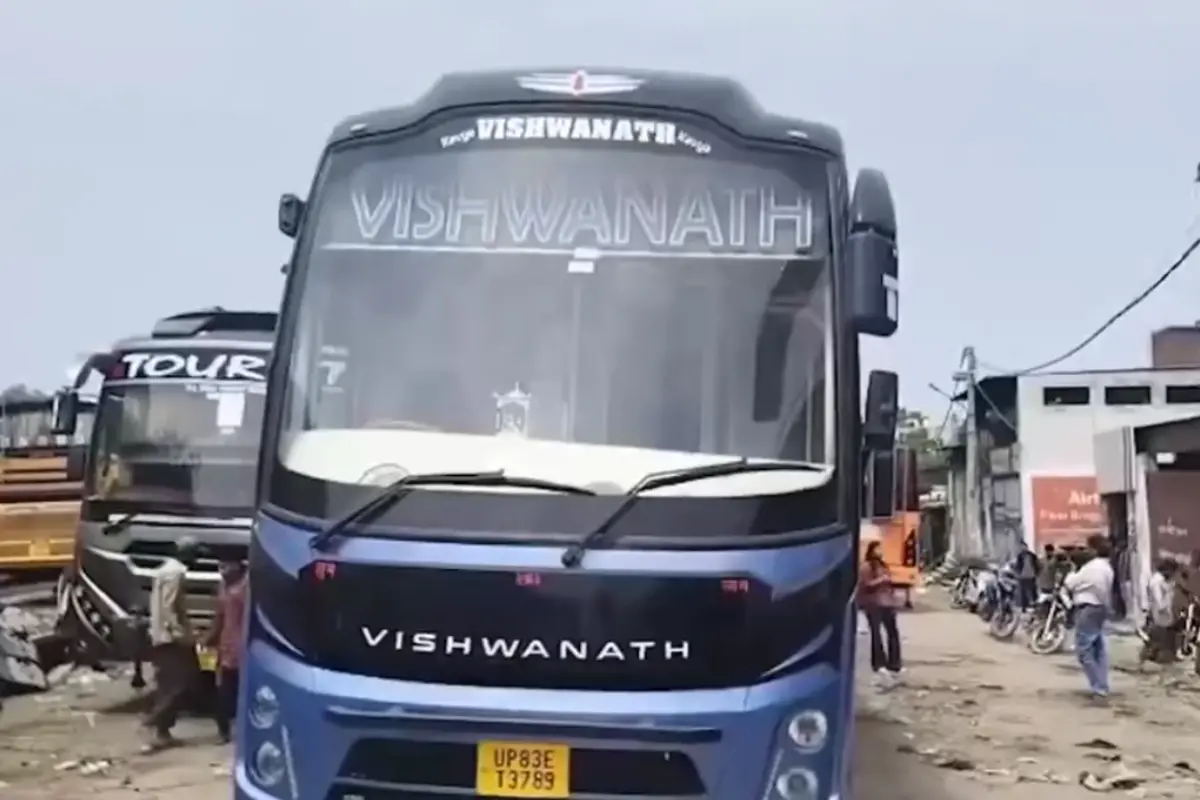
Delhi: A 16-year-old Class 11 student was allegedly sexually assaulted inside a sleeper bus after she mistakenly got off at Greater Noida's Pari Chowk during heavy rain. Police say the driver and conductor were later traced through CCTV footage and arrested.
The bus was seized for forensic examination, with investigators reportedly recovering strands of the girl's hair. The case has also renewed questions about child safety, public transport safeguards and institutional accountability.
What happened on August 4?
According to the police investigation described in the reports, the teenager, who is from Mainpuri district in Uttar Pradesh, had left home after an argument with her family over studies. She planned to meet her cousin in Noida.
She travelled by bus from Mainpuri but mistakenly got down at Pari Chowk in Greater Noida. It was raining heavily, and she was reportedly trying to find a way to continue her journey.
During this time, she allegedly noticed an empty sleeper bus. The vehicle was identified as Vishwanath.
The teenager signalled to the bus and asked about its destination. The conductor, identified as Sandeep, allegedly told her that the bus was going towards Sector 63. She then boarded the vehicle.
According to the police account, the bus was not carrying passengers at the time. The vehicle had earlier developed a fault and had been taken for repairs before being driven towards Timarpur.
ALSO READ | Tied to chair, ears yanked: 3-year-old brutally assaulted at Delhi playschool; attendant arrested
What happened inside the bus?
Police allege that shortly after the girl boarded the bus, Sandeep began making inappropriate gestures and advances towards her.
The driver, identified as Kuldeep, and conductor Sandeep have been accused of sexually assaulting the teenager inside the sleeper bus.
Police said the girl was threatened with serious consequences if she reported what had happened.
The bus subsequently travelled towards Delhi. After covering approximately 47 kilometres, the accused allegedly abandoned the teenager near the Kashmere Gate area and continued towards Timarpur.
The girl then approached Kashmere Gate police station and reported the alleged assault.
Police registered a case involving allegations of gang rape, kidnapping and assault. The teenager was sent for a medical examination and was later handed over to her parents following the intervention of the Child Welfare Committee.
How did police trace the accused?
The investigation began with efforts to identify and locate the sleeper bus.
Police teams examined CCTV footage from the areas through which the bus had travelled. Investigators were eventually able to trace the vehicle to a parking area in Timarpur.
Kuldeep and Sandeep were subsequently arrested from the parking area, according to police.
The bus was seized and sent for forensic examination.
What did the forensic investigation find?
Police said the sleeper bus had curtains around the berths, which could have provided privacy and made it more difficult for people outside to see what was happening inside.
Investigators reportedly recovered strands of the girl's hair from the bus. The vehicle was seized so that forensic teams could conduct further examination.
The two accused were subsequently sent to judicial custody.
The investigation is significant because police had to establish the route taken by the bus, identify the vehicle through surveillance footage and connect the suspects with the alleged crime.
#WATCH | On alleged gangrape of a 16-year-old girl on a moving bus in the city, Delhi Women Commission Chairperson, Lata Gupta, says, "The person behind this must be punished. Immediate action was taken with the arrest of the bus driver and conductor." pic.twitter.com/vVBfQAJd8e
— ANI (@ANI) August 31, 2026
ALSO READ | Two suspects in Haryanvi singer Ankit Balyan’s murder gunned down in UP police encounter | VIDEO
Why was the teenager particularly vulnerable?
The reported sequence of events shows how several circumstances came together on the night of the incident.
The teenager was travelling alone after leaving home following a family disagreement. She accidentally got off at the wrong location, was caught in heavy rain and darkness and was looking for transport.
She then approached a vehicle that appeared to offer a way towards her intended destination.
The allegations against the driver and conductor mean that people in positions who should have been responsible for transporting passengers safely are accused of exploiting the teenager's vulnerable situation.
This is also why the case raises questions beyond the arrests themselves, including how unoccupied or inadequately monitored sleeper buses operate, how passengers can verify a vehicle and its staff, and what safeguards exist when a young person seeks help from public transport workers.
What does the wider Delhi picture show?
The case has emerged alongside other reported incidents involving minors in Delhi.
In a separate case in Bawana, police arrested a school bus driver who was accused of sexually abusing a three-year-old nursery student. According to the report, the case came to light after the child's family noticed injuries and the child told her mother about an alleged incident involving a man at the school.
Police registered a case under the POCSO Act and arrested the accused. Investigators also seized his mobile phone and obtained CCTV footage from the school premises.
These cases are separate investigations and should not be treated as evidence that all school or bus staff pose a threat. However, repeated allegations involving children in environments where adults are entrusted with their safety inevitably raise questions about safeguards, supervision and accountability.
Why does this keep happening?
The repeated reporting of sexual crimes against children points to a wider safety problem that cannot be addressed only through arrests after an incident.
Several areas require attention:
1. Background checks and monitoring
People working around children and young passengers need proper verification, background checks and monitoring. Merely employing someone in a transport or school-related role is not enough.
2. Safer public transport
Passengers, particularly children travelling alone, need clear ways to identify authorised vehicles, drivers and conductors. Transport operators also need mechanisms for tracking vehicles and responding to complaints.
3. CCTV and vehicle tracking
Surveillance footage played an important role in tracing the bus in this case. Wider use of functioning CCTV, GPS tracking and identifiable vehicle and staff information can make investigations faster and potentially deter offences.
4. Protection of children
Children who find themselves stranded or lost need safe channels to seek help. Public awareness about emergency services, child helplines and verified transport options can reduce dependence on unknown individuals in vulnerable situations.
5. Faster investigation and prosecution
Arresting an accused person is only the beginning. Evidence collection, forensic examination, a fair investigation and timely prosecution are necessary for accountability.
6. Institutional responsibility
Schools, transport companies and other organisations responsible for children need clear safeguarding protocols. Complaints involving minors must be taken seriously and reported to the authorities as required by law.
ALSO READ | US double murder of Keralite women: Disbelief, grief in native places as Malayali friend held
Why the case is a serious reminder for India
The most disturbing aspect of the case is not simply that a crime was allegedly committed, but that the teenager was reportedly attacked after seeking help while stranded in unfamiliar surroundings.
Cases involving children repeatedly expose gaps between formal safety rules and their implementation. Laws such as the POCSO Act provide a strong legal framework for dealing with sexual offences against children, but prevention also depends on effective supervision, responsible institutions, safe transport systems and prompt reporting.
Calling every such incident an isolated failure risks overlooking these structural weaknesses. At the same time, individual cases must be investigated on their own evidence, and allegations must not be treated as convictions before a court establishes guilt.
The Delhi bus case therefore raises a broader question: how can India make the systems children rely on for transport, education and public safety genuinely safer, rather than responding only after a crime has occurred?
Analysis
The case highlights three separate responsibilities: preventing the crime, responding quickly when it occurs and ensuring accountability afterwards.
In this incident, CCTV surveillance reportedly helped investigators trace the bus, while forensic examination was initiated after the vehicle was seized. Those steps are important, but they come after the alleged assault.
Prevention requires stronger safeguards around public and school transport, identification and verification of drivers and conductors, functioning surveillance and clear procedures for assisting children who are travelling alone or become stranded.
The wider lesson is that child safety cannot depend solely on the child making the right decision in a frightening situation. Adults operating transport services and institutions entrusted with children have a responsibility to create systems in which seeking help does not itself become a source of danger.
At the same time, the allegations against the two arrested men remain subject to the legal process, and guilt must ultimately be determined by the court.