The birth of 'Yoddha': How a one-line story of a Malayali hero in Nepal became a cult classic
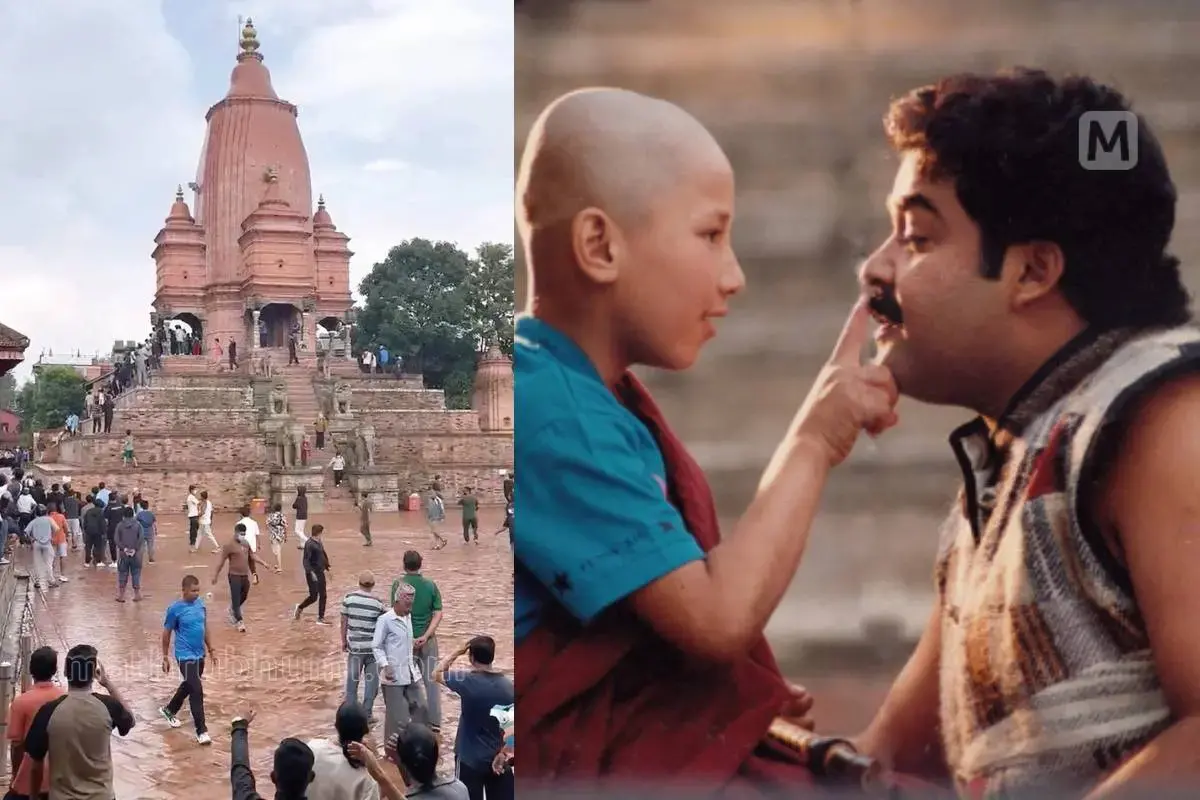
When recent news of the Gen Z protests in Nepal made headlines, Malayalis couldn’t help but be reminded of the misty hills featured in the hit track “Kune kune” and the beloved characters from Yoddha — Thaipparambil Ashokan, Arashumoottil Appukuttan, little Rimpoche, Aswathi, and Dolma ammayi, among many others. Amid the chaos of the uprising in Nepal, these characters still remain etched in Malayali hearts. Perhaps they wished for someone akin to the Mohanlal character to arrive and save the people of Nepal as well. After all, when Malayalis thinks of Nepal, how can they not think of Yoddha?
It all began with a single line: “A Malayali who goes to Nepal and becomes a hero.” That was the initial idea director Sangeeth Sivan had in mind.
Inspired by the 1978 martial arts film The 36th Chamber of Shaolin, Sangeeth Sivan had long nurtured a desire to make a Malayalam film that focused on martial arts. He had decided that it would have to be something big.
Following the modest success of his debut film Vyooham, Sangeeth began developing the concept into a full-blown action-adventure set against the backdrop of Nepal’s Buddhist traditions and martial arts culture. Once the idea took shape, Mohanlal was immediately on board — he gave his dates right after hearing the story. The character of the young monk Rimpoche, influenced by The Golden Child, was crafted with care.
Even though the lead characters were in place, the script lacked the cultural foundation of their homeland. Sangeeth consulted several writers but couldn’t find a story strong enough to justify the Malayali hero’s journey to Nepal. Eventually, a chance conversation with writer Sasidharan Arattuvazhi changed everything. A week later, Sasidharan returned with Ashokan and Appukuttan — and the story fell perfectly into place. The singing competition in the local temple and the male characters’ attempts to show off before Ashokan’s customary bride - these events now familiar to the Malayali audience filled the screenplay in just a few days.
Creating Nepal in Kerala
When the crew arrived in Nepal for filming, they recruited local artists for authenticity. Those willing to shave their heads were cast as Buddhist monks, while long-haired extras became the villains. Casting the child Rimpoche proved difficult until they discovered the young son of Yubaraj Lama, who had been shortlisted for a villain's role. With a full head of hair, he looked nothing like a monk, but once he shaved, Sangeeth was stunned — not the iconic dialogue featured in the film, but it was the Rimpoche he had imagined all along. Santosh Sivan, who was back in India, saw the boy's picture and instantly replied, "That's our Lama!"
On set, villain Puneet Issar would regularly intimidate young Siddharth, who played Rimpoche. After the shoot, he revealed it was a deliberate move: “I just wanted to keep him scared so his performance stayed natural.” The fear in the boy’s expressions on screen, it turns out, wasn’t acting — it was real.
Filming Nepal in Palakkad
Many dialogues lines from the film such that those spoken by Jagathy Sreekumar’s character — remains a favourite among meme-makers to this day. Ironically, the lush forest scenes weren’t filmed in Nepal at all but in the hills of Palakkad, Kerala. Cinematographer Santosh Sivan masterfully captured the landscape to mimic Nepal, fooling even the most observant viewers. Key sequences, like the blind Ashokan learning martial arts from a master, were all filmed there.
More than just an action film, Yoddha became a cultural phenomenon, seamlessly blending humour, spirituality, and martial arts — and it all began with a simple idea: a Malayali who finds himself, and his destiny, in the mountains of Nepal.