Tupac Shakur murder trial begins: Why Duane ‘Keffe D’ Davis is finally in court
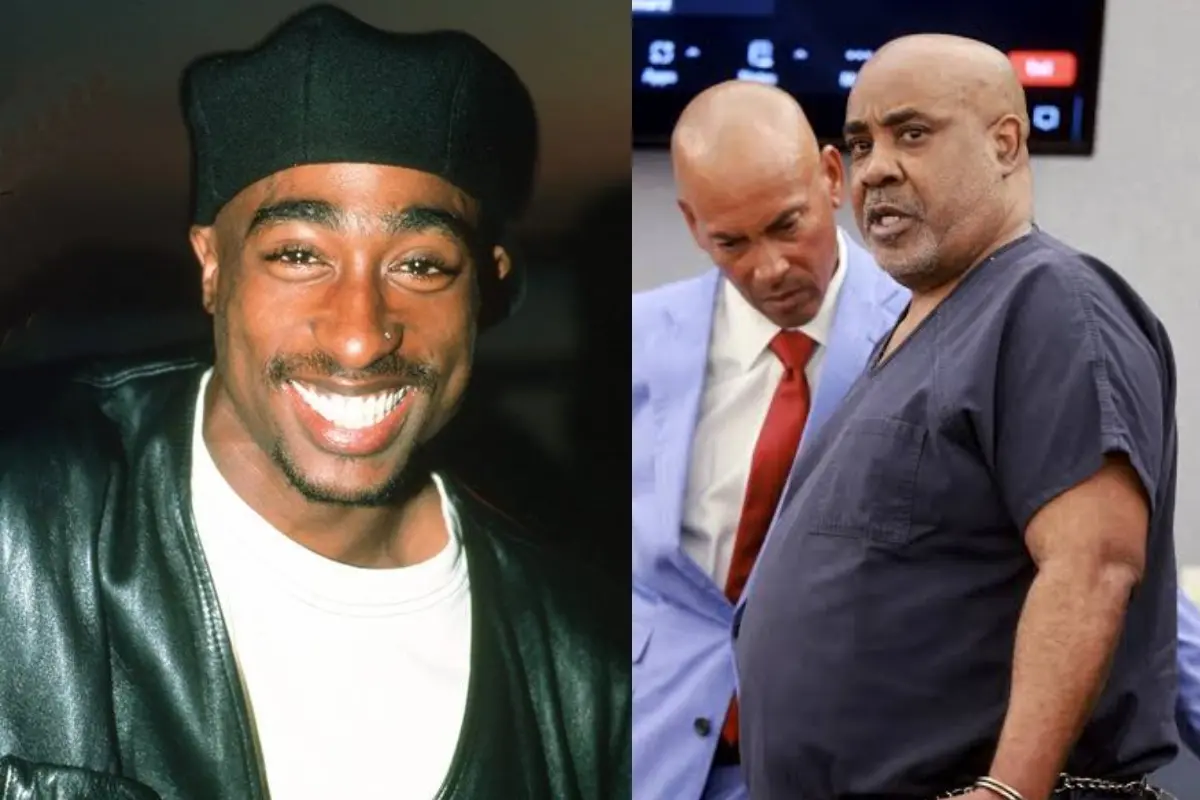
Nearly three decades after Tupac Shakur was fatally shot in Las Vegas, one of the most closely followed unsolved cases in hip-hop has finally entered a courtroom.
Duane “Keffe D” Davis, 63, is now on trial for his alleged role in Shakur’s 1996 killing. Davis is the first and only person to have been charged in connection with the murder. He has pleaded not guilty.
The trial began in Las Vegas nearly 30 years after Shakur was shot in a drive-by attack following a Mike Tyson boxing match.
For those who have never followed the case, here is what happened, why Davis was charged decades later, and what prosecutors and the defence are now arguing before the jury.
What happened to Tupac Shakur in 1996?
On the night of September 7, 1996, Tupac Shakur was in Las Vegas to attend the Mike Tyson-Bruce Seldon boxing match.
ALSO READ: Suspect in Tupac Shakur killing seeks to delay trial as defense identifies new witnesses
After the event, Shakur and people accompanying him were involved in an altercation with Orlando Anderson, who was Davis' nephew. Prosecutors now allege that what happened next was an act of retaliation.
Later that night, Shakur was travelling in a BMW driven by Death Row Records co-founder Marion “Suge” Knight when a white Cadillac pulled alongside their vehicle and opened fire. Shakur was hit multiple times and died six days later. He was 25.
For years, the murder remained unsolved.
So why is Duane “Keffe D” Davis on trial now?
The prosecution is not accusing Davis of personally pulling the trigger.
Instead, prosecutors allege that Davis helped plan and orchestrate the shooting in retaliation for the earlier assault on Anderson. They also allege that Davis supplied or helped provide the weapon used in the attack.
ALSO READ: Assata Shakur, FBI’s ‘Most Wanted Terrorist’ and rapper Tupac’s godmother, dead
A significant part of the prosecution's case centres on Davis' own public statements over the years. Prosecutors are expected to rely on interviews, recorded conversations and his 2019 memoir, Compton Street Legend, in which Davis discussed his account of the events surrounding Shakur's killing. Those statements became a major part of the investigation that eventually led to his 2023 indictment.
Prosecutors say it was revenge
In their opening statement, prosecutors described the shooting as retaliation following the confrontation involving Anderson earlier that evening.
Their case is built around the allegation that Davis played a central role in organising the response after the altercation. Prosecutors have told the jury that Davis' own words will be an important part of their attempt to establish what happened.
They do not need to prove that Davis was the gunman to pursue the charge. Their argument is that his alleged role in planning and facilitating the attack makes him criminally responsible for Shakur's death.
The defence has a very different argument
Davis' lawyer, Michael Sanft, has challenged the reliability of the evidence collected over nearly three decades.
The defence has argued that Davis' past statements, including those connected to his memoir and public appearances, should not automatically be treated as factual accounts. The defence position is that some of those claims were exaggerated or made for publicity and commercial purposes.
Sanft has also questioned why Davis was not charged earlier if authorities believed his previous statements established his involvement. The defence has further challenged the original investigation, describing it as incomplete and questioning the reliability of evidence and testimony gathered over the years.
That difference will form the centre of the trial: whether Davis' own past words can be accepted as evidence of his involvement, or whether the jury should view them as unreliable claims made long after the shooting.
What did witnesses say on the first day?
The jury heard from witnesses connected to the events of September 7, 1996, including former law enforcement officials and a woman who was travelling near Shakur's vehicle when the shooting occurred.
Former Las Vegas police officer Garry Dale testified about encountering Shakur and Knight shortly before the shooting and later seeing the aftermath. Other testimony described the confusion that followed the gunfire and the difficulties investigators faced in persuading witnesses to share information.
ALSO READ: From Tupac Shakur to Liam Payne: Remembering music icons who died young
Retired detective Brent Becker also spoke about the challenges faced by investigators at the time, while another retired detective, Fred Miller, discussed Davis in connection with a separate investigation into the killing of Christopher Wallace, better known as The Notorious B.I.G.
Why this trial matters in the Tupac Shakur case
Tupac Shakur's killing has remained the subject of speculation, theories and public discussion for almost 30 years. However, the case has now moved from years of investigation and public statements into a criminal trial where the evidence will be examined before a jury.
The prosecution's case focuses on Davis' alleged role in organising the attack rather than identifying him as the person who fired the shots. The defence, meanwhile, is challenging both the evidence and the credibility of the statements prosecutors are relying on.
As the trial continues, the jury will assess testimony, recordings and Davis' past statements before deciding whether prosecutors have proved the charge against him beyond a reasonable doubt. Davis remains presumed innocent unless proven guilty in court.