‘They asked me to replace Biblical references in Memories with those in the Vedas’: Jeethu Joseph on remakes
Mohanlal-starrer Drishyam, directed by Jeethu Joseph, is one of the most revered thrillers not just in the Malayalam film industry but in Indian cinema as a whole, spawning multiple remakes. The film’s fame has travelled far and wide, with even international versions being produced.
What has now come into the spotlight is Jeethu Joseph’s candid revelation in a conversation with Baradwaj Rangan for Galatta Plus. To the unversed, Drishyam’s Hindi remake was led by Ajay Devgn (playing the lead as Vijay), while Venkatesh played Rambabu in the Telugu version and Kamal Haasan portrayed Suyambabu Lingam in the Tamil remake. In the original Malayalam version, Mohanlal essayed the iconic character of Georgekutty, a Christian man living in Rajakkad with his family. Alongside him, the blockbuster also featured an ensemble cast including Meena, Esther Anil, Ansiba, and Asha Sharath.
What has sparked renewed attention is that the remakes carried certain modifications — the most notable being the change in Georgekutty’s Christian background to a Hindu one. In his interview, Jeethu explained that this was done at the insistence of producers. “According to them, such cultural changes were necessary for local audiences to connect with the story. While urban viewers can accept any cultural setting, audiences in rural regions tend to relate strongly to their own traditions. The producers felt altering the backdrop would make the film more accessible,” he said.
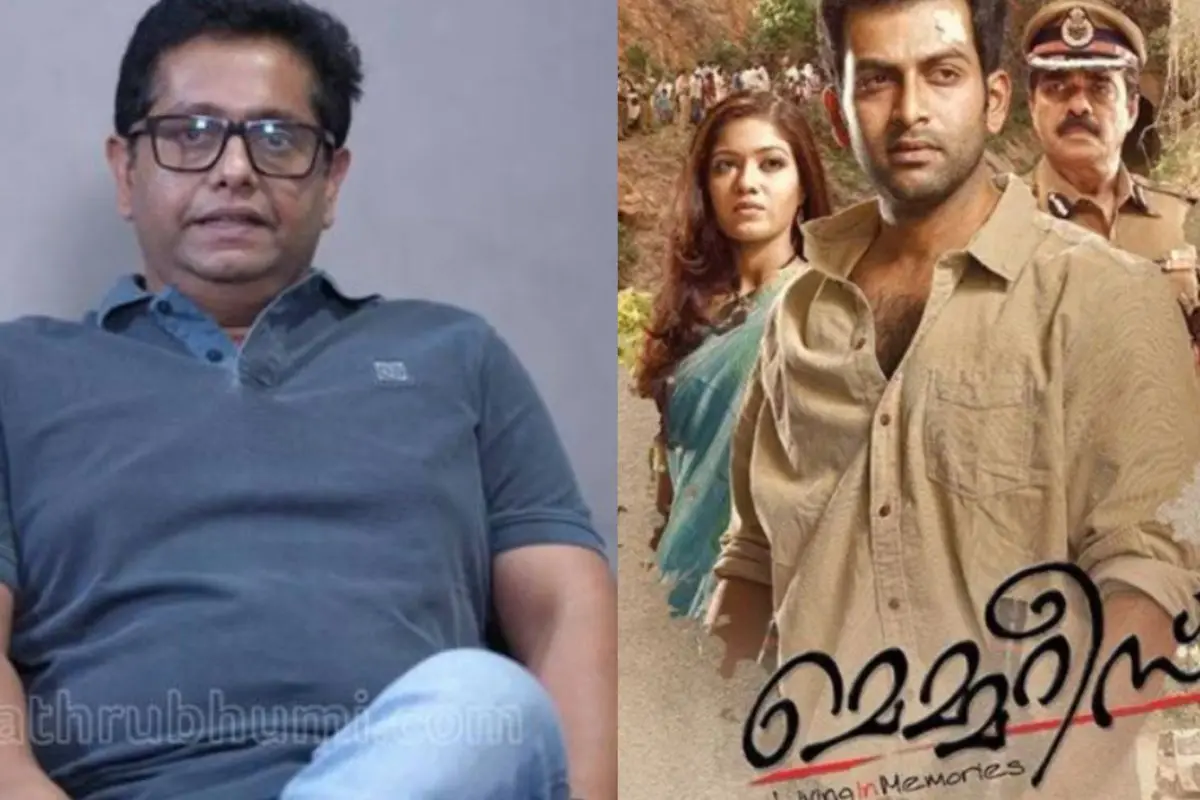
Reflecting on another incident, Jeethu recalled discussions around a Hindi remake of his acclaimed thriller Memories, released months before Drishyam. Starring Prithviraj in the lead, the film also featured S. P. Sreekumar, Meghana Raj, and Miya George, and was well received by audiences. Jeethu revealed, “A company approached me and suggested replacing Biblical references with the Vedas. I told them I lacked the knowledge to do that but could direct if they found a suitable writer. I even proposed setting the story in Goa, but they argued that since the entire Hindi belt would watch it, a Christian backdrop might not resonate.”
These revelations have sparked a fresh debate about cultural diversity and pan-Indian acceptability of films. While some argue that barriers are being blurred in cinema, others point out that such market-driven changes reflect the pluralities of the country. Critics remain divided — some see this as conservative filmmaking, while others regard it as a necessary move to cater to wider audiences.