‘The Last House’: Did this Netflix thriller forget to answer its own questions?
SPOILER ALERT!!
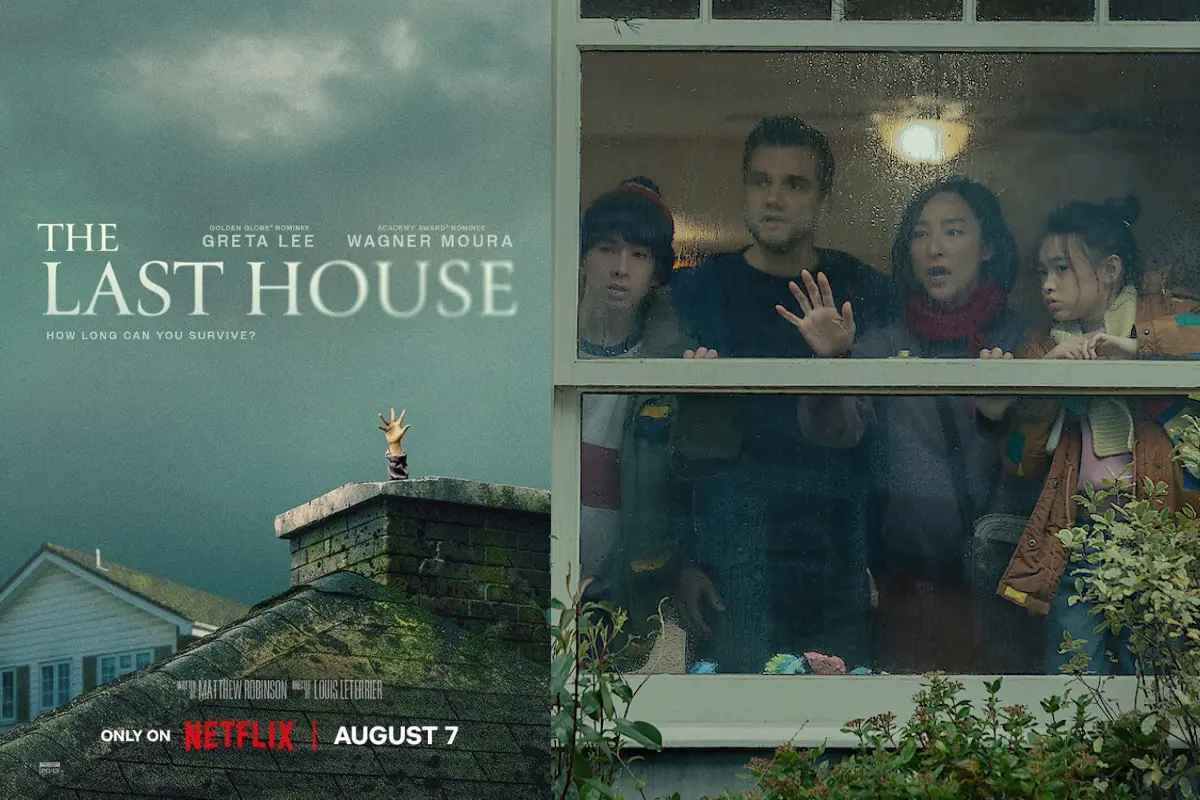
What would you do if the doors of your home simply stopped opening forever? That's the eerie hook in Netflix's new survival thriller ‘The Last House’, which strands a family inside their own home as an unseen force cuts them off from the outside world.
The film starts as a quiet, tense domestic drama before morphing into something far more monstrous but for all its atmosphere, it never answers the questions it spends two hours raising.
The opening stretch is patient to a fault. Windows won't budge, the outside world grows more distant by the day, and the family settles into a grim routine of rationing supplies. It's a promising setup, there's real potential in exploring what isolation does to people trapped together but the execution feels thin.
The characters aren't sketched out enough for their predicament to hit as hard as it should, and the film drags before it finds its footing.
Finding its footing
Things pick up considerably once the story moves into survival mode. As supplies dwindle, the house stops feeling like a refuge and starts feeling like a trap of its own.
Forced to improvise and eventually face whatever lurks beyond their walls, the family's desperation gives the film real urgency for the first time, easily the strongest stretch of the movie.
A mystery that can't support its own weight
The trouble is that ‘The Last House’ never bothers explaining its own rules and the more you sit with it, the more the gaps multiply.
Start with the creatures themselves, what are they, and what do they actually want? If the goal is simply to kill the family, why trap them alive for years instead of finishing the job? And if they're capable of moving through water, as the film suggests, why not just flood the house and end things on day one, rather than laying siege for so long?
The world-building fares no better under scrutiny. Electricity keeps flowing years after society has apparently collapsed who's maintaining the grid? Rain becomes a lethal, house-destroying force, yet somehow never finds its way in through the chimney.
And across years of total isolation, the film never grapples with medicine running out, waste piling up, or sanitation breaking down, problems that would cripple a real family long before any creature did.
The antibiotic subplot only deepens the issue, how has medication kept its potency for years past any believable shelf life, and why does it work so cleanly when everything else about this world has fallen apart?
Then there's the tunnel to the neighbor's house. That is never explained, never justified, and yet perfectly placed to give the plot the escape route it needs. If the creatures can move through water, shouldn't a tunnel be exactly the kind of route they'd exploit first, rather than the safest option left?
On top of all this, the film can't settle on a genre. It changes from intimate family drama to survival thriller to creature horror to full-blown apocalyptic adventure, and the transitions
feel like the film changing its mind about what story it's telling.
The performances carry what the script can't
Wagner Moura is the film's anchor, bringing real weight to a father pushed toward impossible choices.
Greta Lee, though her character isn't written with enough depth to fully capitalize on them. The kids become increasingly central as the family unit starts to fracture and that's where some of the effective character work happens.
Visually, the film earns its keep. The transformation of the house, the oppressive rain, and the fleeting, half-glimpsed creature design all contribute to a genuinely unsettling mood.
An ending that doesn't earn itself
The final act is where the film really stumbles. After building the creatures up as a relentless, incomprehensible threat, the story drafts abruptly toward a message about mercy and compassion and it doesn't land.
Why does the creature's behavior change so suddenly, after years of consistent hostility? And if mercy was always available to the family, why does the film wait until the very end to reveal that possibility?
It's watchable, occasionally striking, and never boring but you may leave with questions about plot logic than about what's actually hiding outside.
Rating: 3/5