‘Read these—clarity and insight will follow’; the light that the little book led me to: Tharun Moorthy
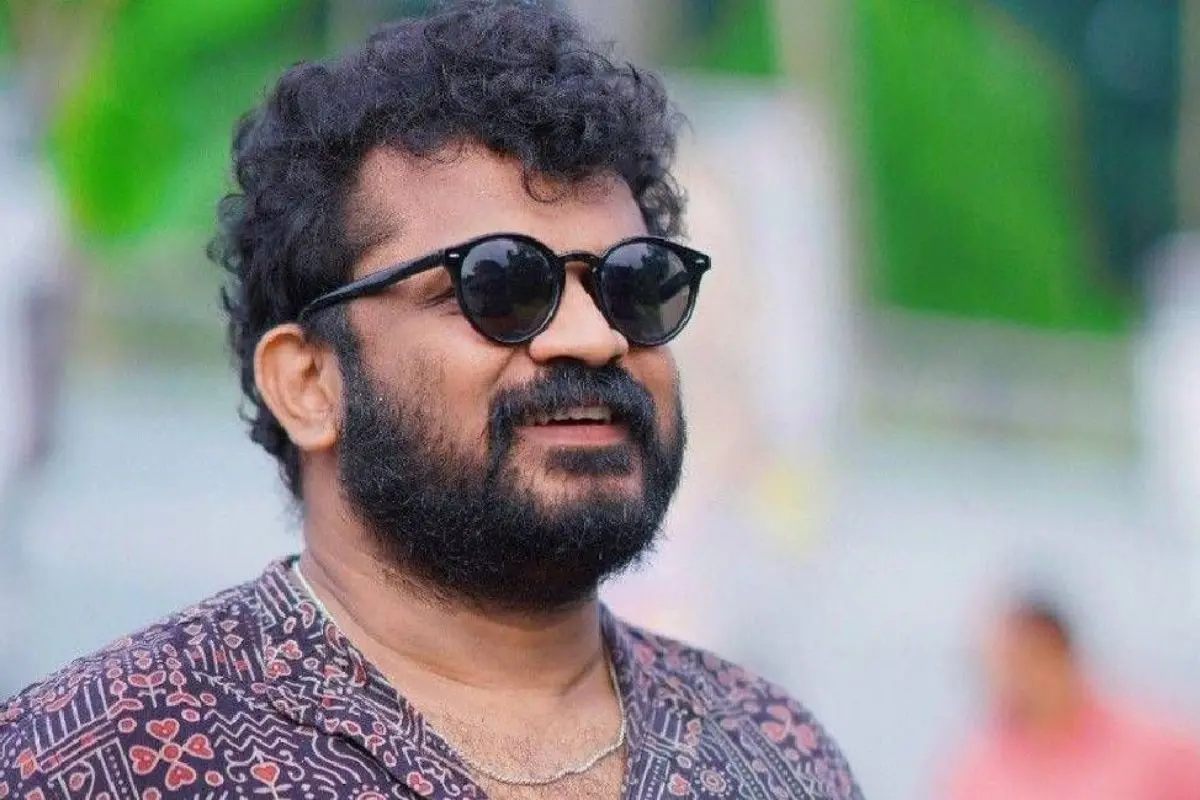
As nation celebrates Reading Day on June 19 in honour of P N Panicker’s legacy, popular movie ‘Thudarum’ director Tharun Moorthy shares a deeply personal account of how stories first came alive for him—not on screen, but on the pages of Malayalam literature. In a moving recollection, Moorthy speaks about how reading ‘Pathummayude Aadu’ and ‘Vellapokkathil’ as a schoolboy shaped his sense of storytelling, planted the first seeds of cinematic imagination, and instilled in him a lifelong respect for the written word. From Basheer’s raw realism to Thakazhi’s visual prose, his reading journey has become the foundation of his writing—and listening—life.
It was through reading that I first came to understand the beauty of writing and the vivid imagery created when words come together. The person who first took me by the hand and led me into that world was Vaikom Muhammad Basheer. I remember reading Pathummayude Aadu in my Malayalam second language class in the 9th standard. My first language was Sanskrit. I chose Malayalam as my second language only because my father insisted that I must not lose touch with it. And today, I feel fortunate to have travelled through literary worlds like Pathummayude Aadu and Thakazhi’s Vellapokkathil as a school student.
It was while reading Vellapokkathil that reading transformed into a visual experience for me for the first time. The torrential rain and the isolation of the dog, the protagonist, played out in front of my eyes like a film. That story made me feel as though I too had been caught in the flood — it awakened in me a deep sense of wonder at what writing could achieve.
Pathummayude Aadu, on the other hand, was a novel that evoked both delight and emotion, not only because of the humour and elegance of the writing, but also because of Basheer’s precise use of language. The impact of reading these two works as a student is something I truly recognise only now. It was the vivid visuals in Thakazhi’s narration and the raw life and purity of language in Basheer’s characters that turned me into a devoted admirer of both writers. In fact, they were the ones who first stirred in me the desire to write.
However, I didn’t develop a habit of reading every day. I belonged more to the lazy kind. Later, when I began writing screenplays and found myself wrestling with confusion about how to begin, my father handed me a few story collections by Basheer and said, ‘Read these — they’ll give you clarity and perspective.’ Those books may have been slim in size, but they were weighty in substance.
When I say I’ve had the experience of reading, what I mean is that I’ve read every published book by Vaikom Muhammad Basheer. If someone asks me whether I’ve read the greats, this is my answer. I doubt if anyone else in Malayalam has achieved the same depth in narrating life itself, whether it be through screenplay or storytelling, as Basheer did. As I read, each character took form vividly — I could see their face, their mannerisms, everything. He brought such intricate detailing into his characters that it felt like watching a film through words. That’s exactly what I try to bring into my screenplays — and that effort stems from those early reading experiences.
To understand the craft of screenwriting more deeply, I turned to the scripts of Sreenivasan and Blessy. They became my “books of reference”. From them, I learned how to write a scene, how to build an emotional mood. Sreenivasan’s wit and Blessy’s emotional depth inspired me deeply. People who read my scripts often say they can see the scenes — perhaps that’s something I inherited from Vellapokkathil. Thakazhi’s visual narration, Basheer’s life-infused characters, Sreenivasan’s humour, Blessy’s emotional layers — all of these have left their mark on my cinematic writing.
The earthy humour in Saudi Vellakka and Thudakkam owes much to Basheer. If people say a script is emotionally resonant, perhaps that influence came from reading Blessy’s work. I’ve received two important pieces of advice in writing. One was from P Balachandran, who I consider a mentor. He told me: “Forget grammar — just pour your mind onto the page. That’s all that a screenplay needs. No one is obligated to read it or understand it. But what you write must be clear enough that if someone else reads it aloud, the visuals must appear before their eyes.”
The second piece of advice came from my father: “You may not be into book-reading, but if you read the lives of the people around you, you’ll find a good life story there.” I try to follow that as much as possible. I listen to people. That listening, I believe, is also a form of reading. I try to read the people who stand before me — and that, more than anything, keeps me moving forward.