After 27 years, Luffy’s original voice returns; but not as Luffy!
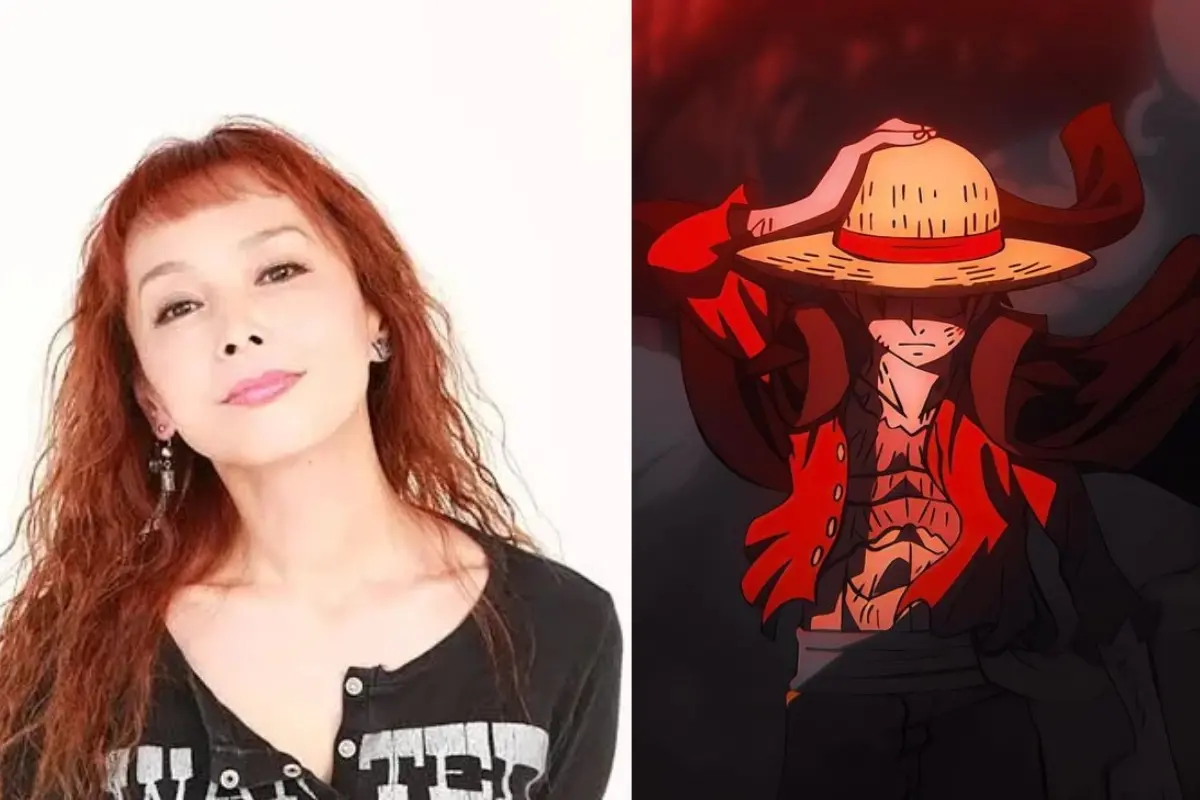
The One Piece anime delivered an emotional surprise this week with the reveal of Joy Boy’s voice, portrayed by Luffy’s original voice actor, Urara Takano. Her return after 27 years is being regarded as one of the most symbolic casting choices in the franchise’s history.
Takano first voiced Luffy in the 1998 OVA One Piece: Defeat Him! The Pirate Ganzack!, released before the long-running television adaptation began. Her reappearance in the role of Joy Boy creates a full-circle moment that long-time viewers see as a tribute to the series’ origins. Marking the announcement on X, Takano remarked that the 27 years since her last involvement felt almost like centuries, a playful nod to Joy Boy’s ancient connection within the storyline. The comment resonated strongly with fans who immediately picked up on the parallels.
Toei Animation’s decision to cast Luffy’s first voice actor as Joy Boy has been widely praised for its narrative significance. Within the One Piece universe, Luffy and Joy Boy share deep symbolic links — including their ties to the same Devil Fruit awakening and the inherited will represented through the iconic straw hat. By giving the two characters a shared voice, the production has reinforced one of the story’s most enduring themes.
Takano’s return comes at a time of major transitions for the anime. Now in its 26th year, the series will take a scheduled production break from January to March 2026 before moving to a seasonal format of 26 episodes per year. The long-awaited Elbaph arc is set to begin once the hiatus ends.
One Piece continues to stream on Crunchyroll in both subbed and dubbed formats, alongside multiple theatrical releases. With Joy Boy’s voice finally revealed — and one deeply connected to the franchise’s earliest days — anticipation for the next phase of the story has grown substantially.
Takano’s casting has also generated excitement because it predates the main adaptation by more than two decades. When she voiced Luffy in 1998, the manga was still in its infancy and the now-iconic series had not yet launched on television. Her brief appearance from that period became a piece of early franchise history, remembered fondly by long-term fans.
Joy Boy himself has remained one of the most mysterious figures in the One Piece world, associated with ancient history, inherited dreams, and a long-standing narrative link with Luffy. Giving both characters a related voice adds intentional thematic weight to their connection.
Industry watchers note that Toei’s choice reflects a broader trend of using casting decisions to deepen storytelling in long-running anime. By bringing back a voice tied to the franchise’s earliest era, the studio has added emotional continuity to Joy Boy’s long-awaited reveal.
As the anime prepares for its shift to seasonal scheduling, viewers are looking ahead to how Joy Boy’s expanded presence — and Takano’s interpretation of the character — will influence the unfolding narrative. Her return not only honours the series’ early days but also positions her voice at the centre of storylines set to define One Piece’s future.