'No one can stop me from sending love to Pakistan': Naseeruddin Shah stands by Diljit in explosive Facebook post
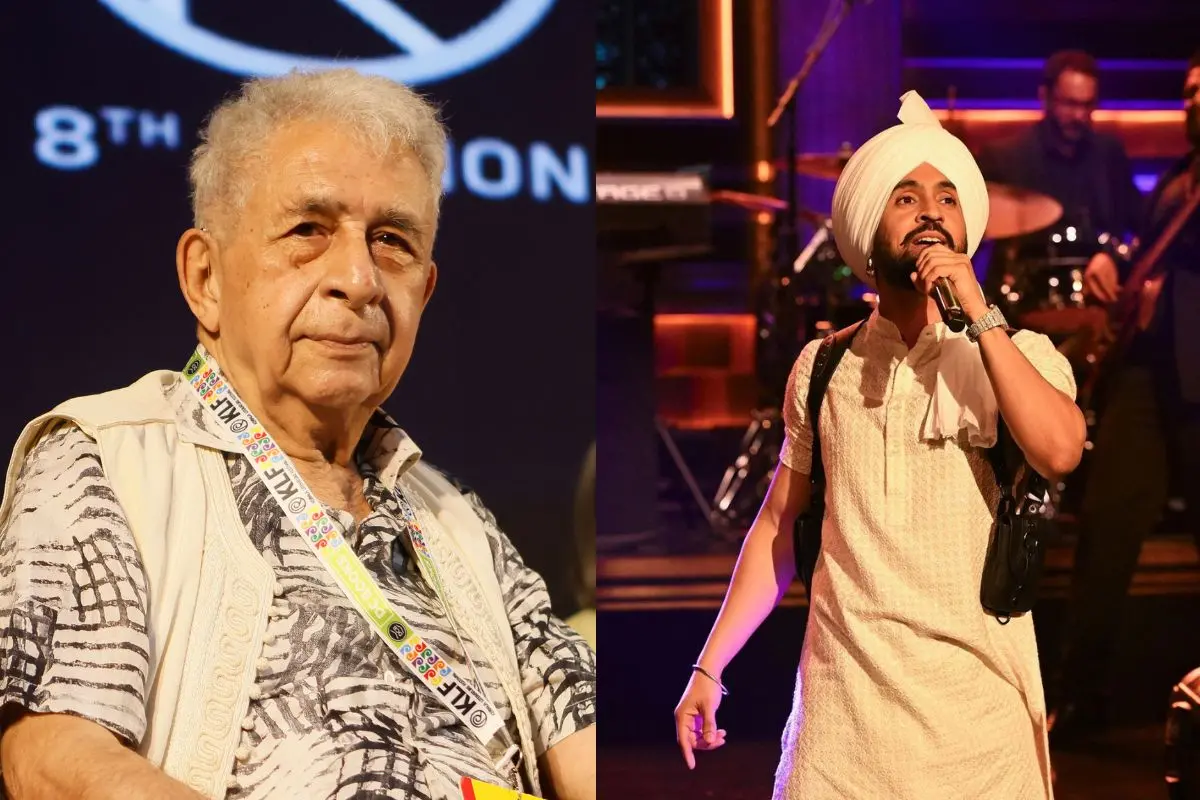
Mumbai: Veteran actor Naseeruddin Shah has publicly come out in support of singer-actor Diljit Dosanjh, who is facing online backlash over his role in Sardaar Ji 3, particularly due to the film's collaboration with Pakistani actor Hania Aamir. The acclaimed actor took to Facebook to issue a strongly worded statement, condemning the wave of hate and clarifying that Diljit was not involved in the casting decisions of the film.
“I STAND FIRMLY WITH DILJIT,” Shah wrote, adding that the singer is being unfairly targeted. “The dirty tricks deptt of Jumla Party has been awaiting a chance to attack him. They think they’ve got it at last.”
Shah emphasised that the decision to cast Hania Aamir was made by the director, not Diljit. He noted that Diljit simply agreed to the role without prejudice, suggesting that the backlash is politically motivated and rooted in a larger agenda to prevent people-to-people contact between India and Pakistan.
“He agreed to the cast because his mind is not poisoned. What these goons want is to put an end to personal interaction between the people of India and Pakistan,” Shah wrote. “I have close relatives and some dear friends there, and no one can stop me from meeting them or sending them love whenever I feel like it.”
Taking a sharp jab at those who are demanding to “go to Pakistan,” Shah concluded, “My response to those who will say ‘Go to Pakistan’ is ‘GO TO KAILASA.’”
About the Sardaarji 3 controversy:
The controversy stems from Sardaar Ji 3, which stars Diljit Dosanjh, Neeru Bajwa, and Hania Aamir. While the film opened in overseas markets on June 27, it was not released in India, reportedly due to the involvement of the Pakistani actress. Social media users and certain political groups have since criticised the film and its makers for “promoting cross-border ties,” despite no formal ban on cultural exchange.