‘He took 5 hours to narrate half the story’: Dulquer Salmaan and Selvamani Selvaraj on ‘Kaantha’
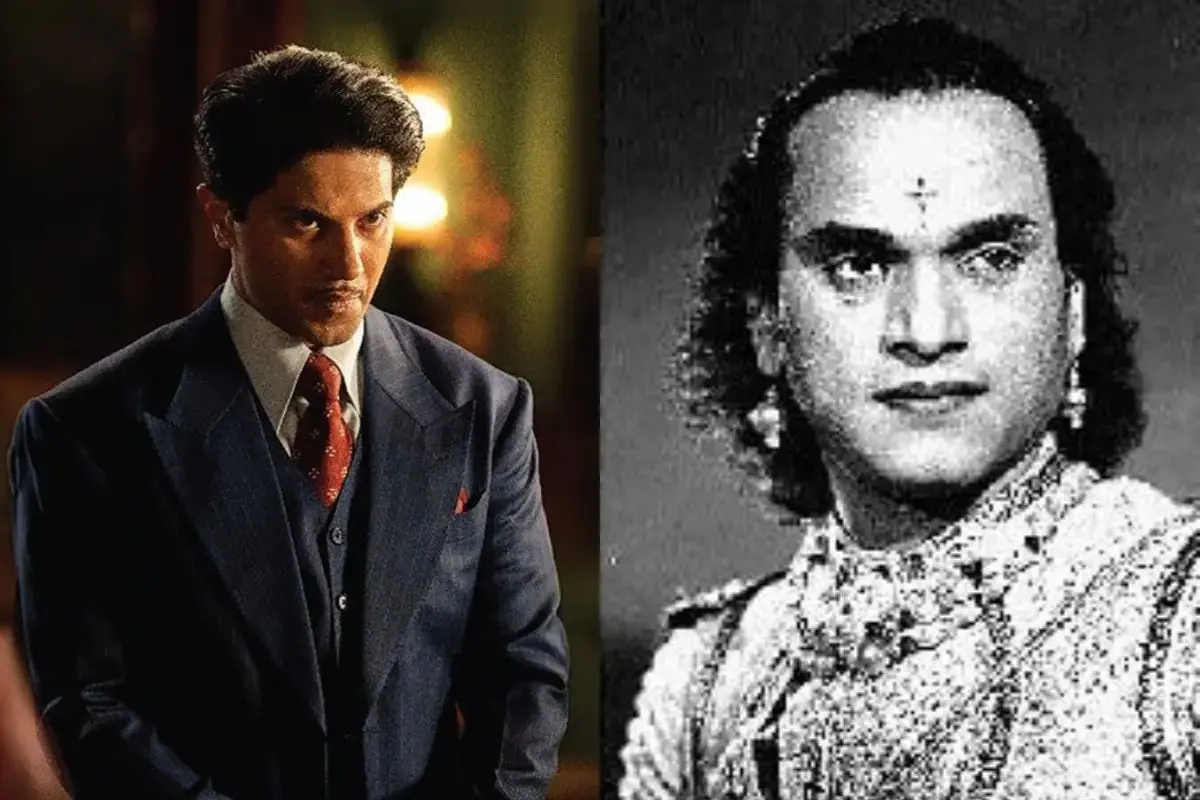
The bilingual film ‘Kaantha’, in which Dulquer Salmaan plays “T.K. Mahadevan”, has now reached cinemas. The film, released in Tamil and Telugu, is directed by Selvamani Selvaraj, known for the Netflix documentary series ‘The Hunt for Veerappan’. Set in 1950s Madras, ‘Kaantha’ was widely rumoured, well before release, to be inspired by the life of legendary Tamil actor and early cinema superstar Mayavaram Krishnasamy Thyagaraja Bhagavathar (MKT).
Bhagavathar’s family made headlines after taking legal action ahead of the film’s release, alleging that the makers had portrayed him in a defamatory manner without seeking permission from the family. In their petition, the family claimed that the film was based on Bhagavathar’s life, and although character names had been changed, viewers would easily recognise the real figures. They also argued that the film presented several events inaccurately. The court sought clarification from Dulquer Salmaan, who is both the film’s lead actor and producer. However, the crew maintained that ‘Kaantha’ is not a biographical film about Thyagaraja Bhagavathar.
As promotional events for ‘Kaantha’ began, fans and cinephiles started researching the life of Thyagaraja Bhagavathar, the superstar who experienced both extraordinary fame and dramatic downfall. Many viewers are buying tickets to see whether the film’s narrative mirrors episodes from his life.
A superstar born in a small village
Thyagaraja Bhagavathar was born on March 1, 1910 into an ordinary family in Mayiladuthurai in Thanjavur. Gifted with a naturally powerful voice, he grew up singing bhajans and performing with devotional drama troupes. He earned the title Bhagavathar at a young age and soon transitioned from stage performances to cinema at a time when films were only beginning to gain popularity.
His first film, ‘Pavalakkodi’ (1934), featured 56 songs, and Bhagavathar sang and acted in more than twenty of them. His musical talent, voice, screen presence and striking looks quickly made him a household name.
Hits such as ‘Chintamani’, ‘Ambikapathy’ and ‘Thiruneelakantar’ followed in quick succession. Bhagavathar rose to the peak of stardom, becoming Tamil cinema’s first true superstar. His 1944 film ‘Haridas’ ran for an unprecedented three years at Broadway Talkies in Madras. It was for the first time that the film industry witnessed an actor achieving such superstardom. Excelling in music, theatre and cinema alike, he was hailed as the “Nadippin chakravarthi” (Emperor of Acting) by Tamil audiences. His fame, fortune and fan frenzy grew rapidly.
In a short span, he appeared in fourteen films, all in leading roles, and ten of them became major hits, an unparalleled achievement at the time.
The fall from stardom
At the height of his fame, Bhagavathar’s life took a dramatic turn. He was arrested in connection with the murder of journalist Lakshmikanthan, known for sensational stories about society’s elite. Bhagavathar spent three years in prison before being acquitted. By then, he had lost his wealth and position in the film industry.
He attempted a comeback, but audiences had moved on. Tamil cinema had evolved during his absence, influenced by the Dravidian movement and new storytelling styles—changes he struggled to adapt to. Bhagavathar returned to performing bhajans, but his health deteriorated, and he died at the age of 49.
The superstar’s poignant reflection, “There has been no one who rose as high as I did… and none who fell as far”—remains etched in the memory of Tamil cinema lovers.
Why people mistook ‘Kaantha’ for his story
The film’s period setting, Dulquer’s title character being addressed as “Nadippin chakravarthi”, and the marketing emphasis on old-world Tamil cinema led many to assume Kaantha was based on Bhagavathar’s life. However, Dulquer’s character, Thiruchengode Kalidas Mahadevan, is depicted as an artist who rises from performing with rural troupes to achieving fame and wealth through cinema—parallels that contributed to the misconception.
Dulquer delivers a powerful performance, particularly in the emotional sequences, and the film’s narrative is built around the clash of egos between a director and a superstar.
Produced by Dulquer’s Wayfarer Films, ‘Kaantha’ marks the company’s first non-Malayalam release and showcases a vibrant recreation of early Tamil cinema.
Dulquer and the director on bringing ‘Kaantha’ to life
Dulquer revealed that director Selvamani Selvaraj narrated the story to him six years ago.
“Six years ago, he came around 3 pm on a busy day to narrate the story. I had an event later and thought we’d wrap up by 6 pm. But the narration carried on past 6, then 7. When I said I had to leave, he surprised me by saying the interval was just 10 minutes away! He took 5 hours to narrate half the story. We met again another day for 6 hours to hear the rest.
Even after 8 or 10 hours of long discussions prior to commencement of shooting, I never once felt bored or irritated. Each of those sessions went on for atleast 5 to 6 hours. Whenever production got delayed or the film seemed stuck, I worried it might never happen. I loved the story from the beginning and desperately wanted to be part of it. ‘Kaantha’ is a film very close to my heart.”
Director Selvaraj expressed delight that the film had been embraced despite early controversies.
“At first, I was unsure how audiences would respond. But as the scenes started coming together, I gained confidence in the story we were telling. I wrote the story in 2016 and narrated it to Dulquer in 2019. I’m someone who learnt cinema by watching films. When Dulquer said, ‘Don’t narrate this to anyone else—we must make this film,’ that gave me the courage to persevere and brought me this far.”