‘If you want to survive in cinema, compromises are inevitable’ — Smita Patil's bittersweet journey between art and industry
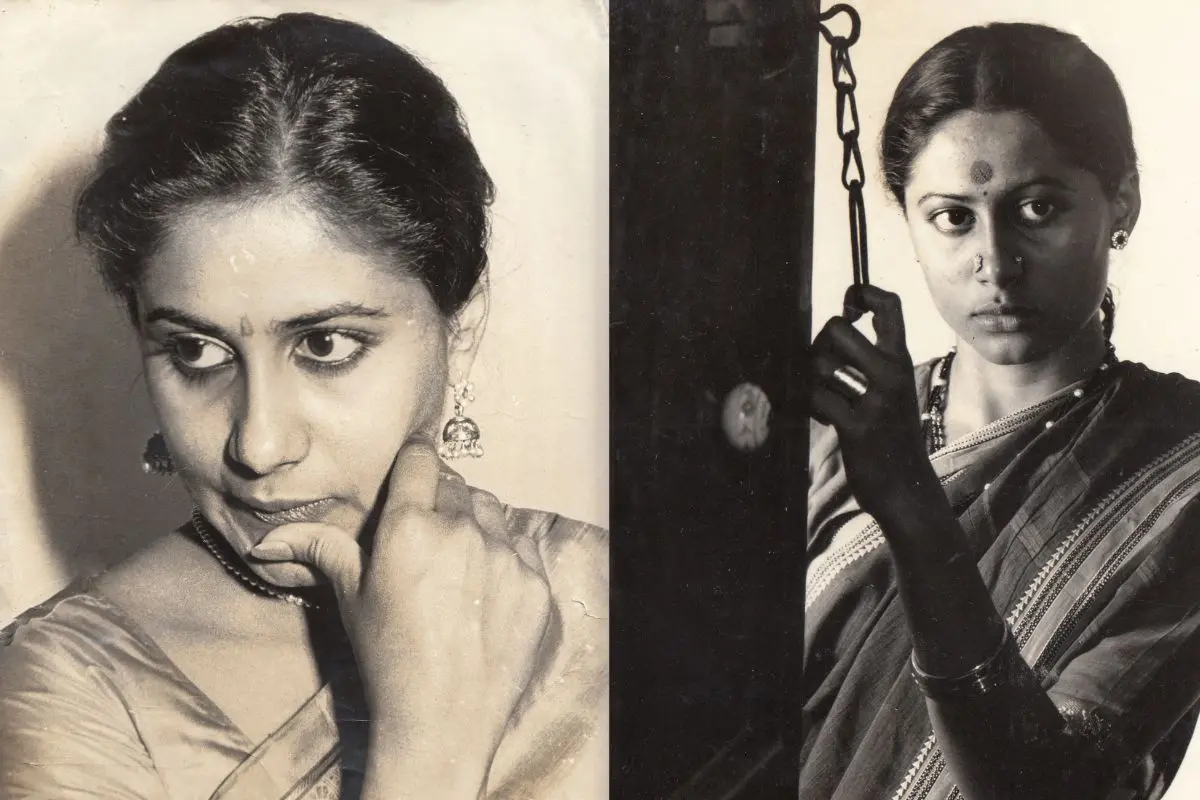
In the 1970s, Hindi cinema stood divided between two starkly different worlds: the glitzy, commercial mainstream and the raw realism of parallel cinema. In most mainstream films, women were reduced to decorative figures — formulaic characters with little room for expression. When actors like Smita Patil tried to straddle both worlds, even they were expected to fit into rigid molds.
Smita Patil began her cinematic journey in the 1970s. Through films like ‘Nishant’, ‘Manthan’, and ‘Bhumika’, she became a powerful presence on screen — graceful, grounded and fiercely real. She never relied on excessive glamour. Alongside Shabana Azmi, who also acted in mainstream hits like ‘Amar Akbar Anthony’, ‘Ishq Ishq Ishq’ and ‘Parvarish’, Smita often found herself auditioning for similar roles.
“I thought doing commercial films once in a while would be refreshing, but in Hindi cinema, it becomes hard to stop once you start,” Smita once confessed in an interview.
“I wonder whether Shabana ever wanted to immerse herself this deeply in commercial films — and if she’ll ever be able to walk away from it now. She’s already gone too far in.”
Smita always knew she wanted to work in meaningful cinema. But the reality was more complex.
“Finding good directors is hard. And most of them prefer working with fresh, unfamiliar faces. I just hope I don’t end up being forced into commercial films, because if that happens — that would be the end of Smita Patil.”
She dedicated years of her life to the kind of cinema she believed in. But soon, Smita realised — painfully — that the film industry is, after all, a business. And if she were to survive as an actress, certain uncomfortable compromises would be inevitable.
It was this understanding that led her to take on roles in commercial films like ‘Shakti’ and ‘Namak Halaal’.
In ‘Namak Halaal’, she played the typical “flowerpot” heroine — a decorative love interest to Amitabh Bachchan, with little personal growth or narrative agency. One of the film’s most famous scenes features a rain-soaked dance number, Aaj Rapat Jaaye, which she reportedly felt deeply uncomfortable doing.
Years later, Amitabh Bachchan recalled on his blog:
“Smita was uneasy throughout the shoot. She felt the role didn’t align with who she was. That kind of cinema didn’t reflect her spirit.”
During the launch of the 2015 biography Smita Patil: A Brief Incandescence, Bachchan reminisced about the shoot of Aaj Rapat Jaaye, affirming how it clashed with Smita’s sensibilities.
Smita herself once recounted a moment at an airport when fans recognised her — not for her acclaimed performances, but for her role in ‘Namak Halaal’. She admitted it left her feeling embarrassed and troubled.
Despite her discomfort, Smita remained a beacon of strength and grace in Indian cinema — a woman who tried to hold on to her art in an industry that didn’t always allow her the space to breathe.