How Singeetham Srinivasa Rao made two Kamal Haasan classics without dialogue and digital effects
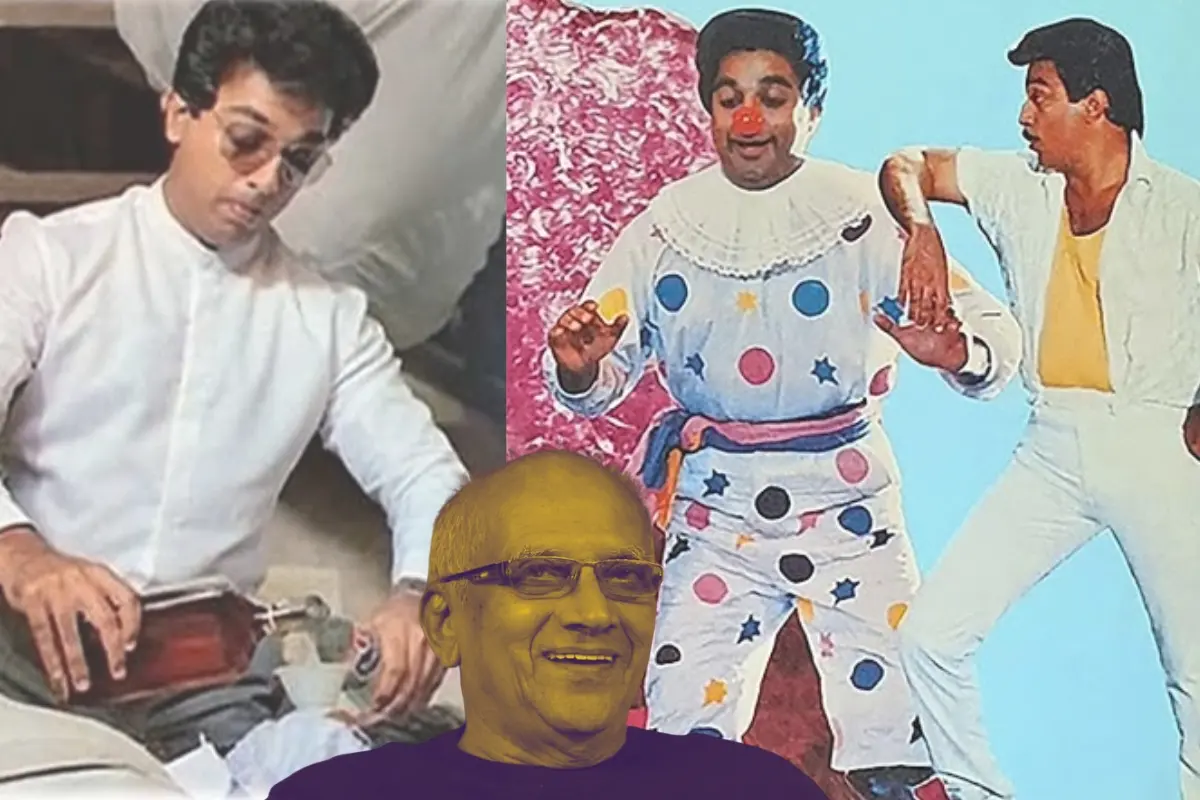
The passing of veteran film-maker Singeetham Srinivasa Rao at ninety-four in Chennai marks the end of a remarkable chapter in Indian cinema. Having directed over sixty films across multiple languages, Rao was widely celebrated for his willingness to experiment across genres. Amongst his most enduring achievements are two celebrated collaborations with actor Kamal Haasan that continue to stand out for their technical creativity and storytelling strength.
A masterclass in narrative without dialogue
The first of these classics, Pushpaka Vimana, released in 1987, was a daring narrative experiment. Rather than using spoken lines or silent-era title cards, the black comedy relied entirely on expressive acting, physical gestures, sound effects, and an ambient musical score to communicate. Haasan portrayed an unemployed graduate living in a cramped tenement who accidentally gets the chance to assume the identity of a wealthy hotel guest. The story explored social inequality, material ambition, and human values without preaching or romanticising poverty. The film went on to win the National Film Award for Best Popular Film Providing Wholesome Entertainment.
Crafting visual spectacle without digital effects
Two years later, Rao and Haasan delivered another box-office triumph with the 1989 release Apoorva Sagodharargal. Created in an era before computer graphics or digital visual effects were available in Indian cinema, the production successfully depicted Haasan as a dwarf circus artiste alongside his twin brother. To achieve this transformation on screen, the crew relied on physical techniques including digging trenches to cover the actor's legs, folded limbs, custom footwear, and precise camera angles. Writer Panju Arunachalam helped refine the storyline into a balanced drama, supported by poignant dialogue from Crazy Mohan and memorable music from Ilaiyaraaja. Rather than subjecting the protagonist to body-shaming, the film presented an intelligent character who used clever, inventive methods to overcome his opponents. Both landmark films demonstrate Rao's unique ability to blend technical innovation with deeply human drama.