94 to 100 cuts! From Bandit Queen to Lipstick Under My Burkha: Films that faced the CBFC hammer
The controversy surrounding the film Empuraan is far from over. Following protests against the film, the producers themselves requested the removal of certain scenes. The re-edited version of the film was released in theatres just recently. This incident brings to light several other Indian films that have faced censorship challenges, with some still struggling to secure a release.
Anurag Kashyap’s films under the censor board’s lens
Anurag Kashyap’s films have faced significant scrutiny from the Censor Board. Paanch, Udta Punjab, and Bombay Velvet are notable examples. Paanch, Kashyap’s directorial debut, was completed in 2003 but has never been released. The crime thriller, inspired by the infamous Joshi-Abhyankar serial murders of 1976, revolves around four friends who abduct another friend, leading to tragic consequences. Starring Kay Kay Menon, Aditya Srivastava, and Tejaswini Kolhapure, the film was censored due to its depiction of drug use, explicit language, and glorification of violence. The Censor Board’s demand for cuts was met with resistance from Kashyap, who couldn’t afford to reshoot the scenes, leaving the film unreleased. Despite this, Paanch received positive responses at international film festivals, including the Filmfest Hamburg in Germany and the Indian Film Festival of Los Angeles. The producer, Tutu Sharma, recently announced plans to release the film in 2025.
The controversy of Udta Punjab
Released in 2016, Udta Punjab starred Shahid Kapoor, Alia Bhatt, and Kareena Kapoor Khan. The Censor Board initially recommended 94 cuts due to its portrayal of drug abuse and violence. The matter was escalated to the Bombay High Court, which permitted the film’s release with just one cut, ultimately granting it an ‘A’ certificate. The controversy also saw Anurag Kashyap criticising Censor Board chairman Pahlaj Nihalani, accusing him of being authoritarian.
Bandit Queen and the legal struggles
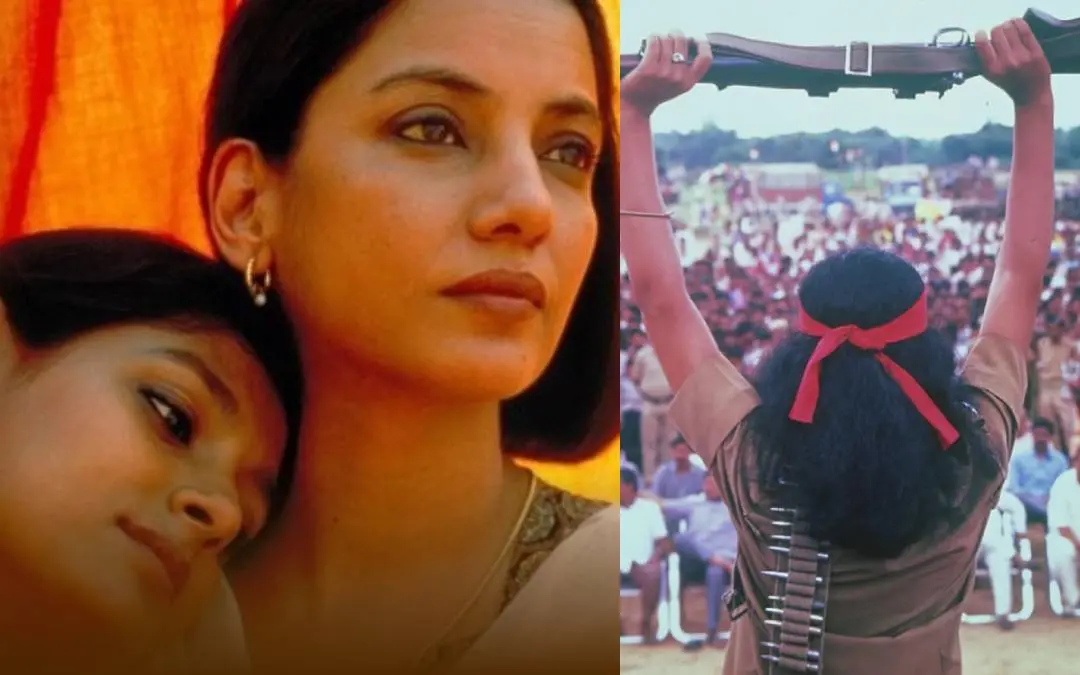
Shekhar Kapur’s Bandit Queen, which won the National Film Award for Best Hindi Film, faced immense hurdles before its release. Premiering at the 1994 Cannes Film Festival and submitted as India’s entry for the Oscars in the Foreign Language Film category, it was initially asked to make over 100 cuts by the Censor Board. The filmmakers refused, leading to an appeal at the Film Certification Appellate Tribunal (FCAT), which ruled in favour of the film’s original version. However, the Delhi High Court later imposed a stay on the release, and the matter was taken back to the Censor Board. Eventually it was released two years later following a Supreme Court order.
Other Censored Films
Fire (1996) by Deepa Mehta, exploring a lesbian relationship, was granted an adult rating with no cuts, but the Censor Board requested a name change for the character ‘Sita’ to ‘Nita’. The film faced backlash from Shiv Sena, leading to protests and even threats against the cast and crew. Despite this, the film was released without any further cuts.
Kamasutra: A Tale of Love (1996) by Mira Nair was initially banned in India due to its explicit depiction of sexuality and nudity. After making several cuts, it was granted an ‘A’ certificate. However, the international version remained unchanged.
Lipstick Under My Burkha (2017), a film about women’s desires and freedoms, was initially denied certification for its sexual content, strong language, and religious references. After appealing to the FCAT and making 16 cuts, the film was finally released with an ‘A’ certificate.
Other notable films
Several other films have faced similar battles with the Censor Board, including Black Friday, Amu, Water, Papilio Buddha, and Sins. These films not only highlight the evolving landscape of Indian cinema but also the ongoing tensions between artistic freedom and censorship in the country.