Finding Nemo lied: The real science will ruin your childhood
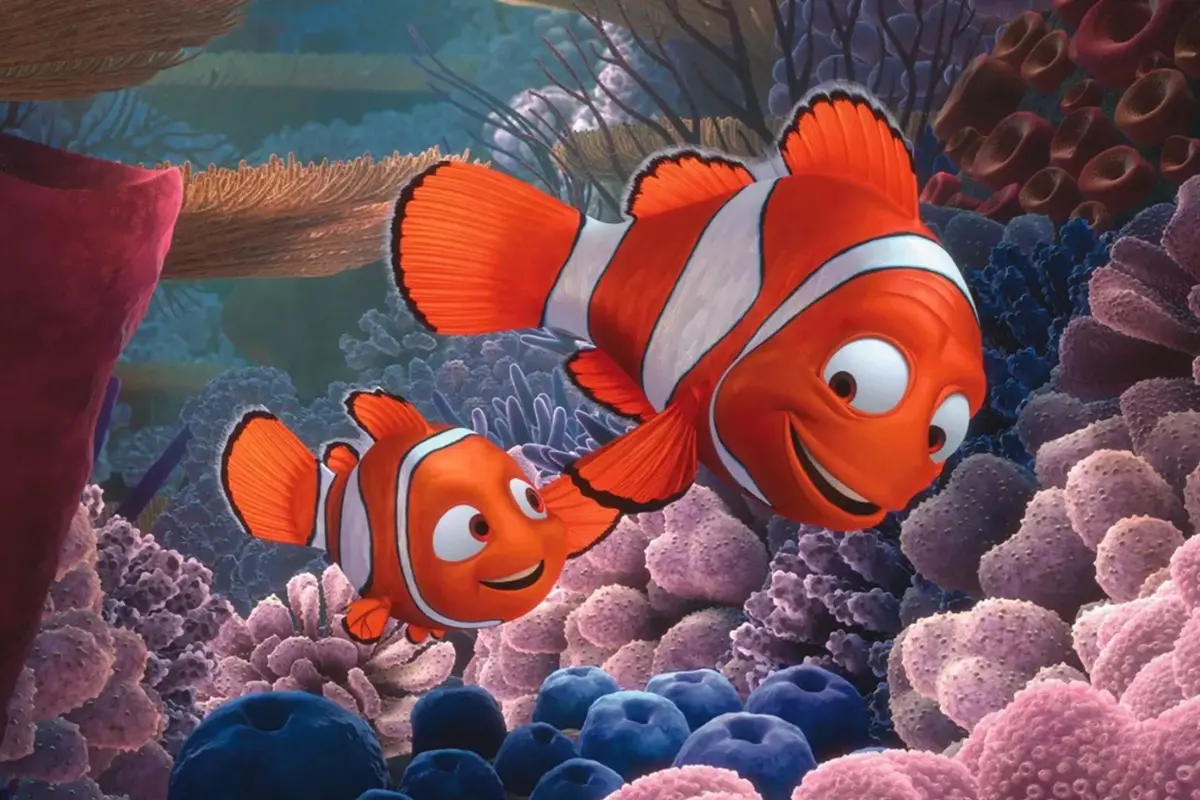
Fans of Finding Nemo are expressing horror and disbelief after learning that clownfish biology suggests Nemo's father, Marlin, would have become his mother after the death of Nemo's mother—completely upending the heartwarming narrative of the film.
Finding Nemo, Pixar’s beloved 2003 animated film, tells the touching story of a clownfish named Marlin. After his mate, Coral, is killed by a predator, Marlin is left to raise their only surviving egg—Nemo. When Nemo is captured by divers, Marlin sets off on a long, emotional journey across the ocean to find and rescue his son.
The film is remembered for its heartwarming message about parental love, courage, and friendship.
What science actually says:
Real clownfish don’t live like they do in the movie. In fact, if Finding Nemo were biologically accurate, the story would be very different.
Here’s how clownfish reproduction works:
All clownfish are born male.
In each group, there is one dominant female and one dominant male.
If the female dies, the dominant male changes sex and becomes the new female. This process is called sequential hermaphroditism.
The next male in line becomes the new mate.
That means:
If Coral died, Marlin would have become female—and possibly mated with Nemo, who would stay male.
This shocking fact about clownfish biology has left fans stunned and joking that the film would have taken a very different—and far more disturbing—turn if it followed nature accurately.
Online reactions:
When a Reddit video explained this real clownfish behaviour, fans were horrified and amused in equal measure.
“Did not need to know this. Childhood ruined.”
“This is why Nemo ran away—he was about to have two mums!”
“Fish don’t talk either, but somehow this feels worse.”
Some also pointed out that the film features talking sea creatures and unrealistic emotions—so scientific accuracy probably wasn’t the main goal.
The real science of clownfish:
Sequential hermaphroditism: Clownfish can change sex from male to female based on their social role.
Dominance and hormones: The change happens when the dominant female dies and the male’s stress hormone (cortisol) drops.
Group structure: Each group has one female, one mating male, and several smaller, non-breeding males.
Anemone partnership: Clownfish live in poisonous sea anemones for protection and share food with them.
What the movie got right:
While the reproductive biology was not accurate, Finding Nemo did correctly show the dangers clownfish face outside their protective sea anemone homes. In nature, they rarely leave the safety of their anemones because predators are everywhere.
Finding Nemo may have told a moving story about a father’s love, but marine biology tells a very different tale. Knowing the truth about clownfish reproduction may not ruin the film—but it certainly changes the way many people see it.