Building Indian superhero worlds: Ayan Mukerji and Basil Joseph on mythology, folklore and technology
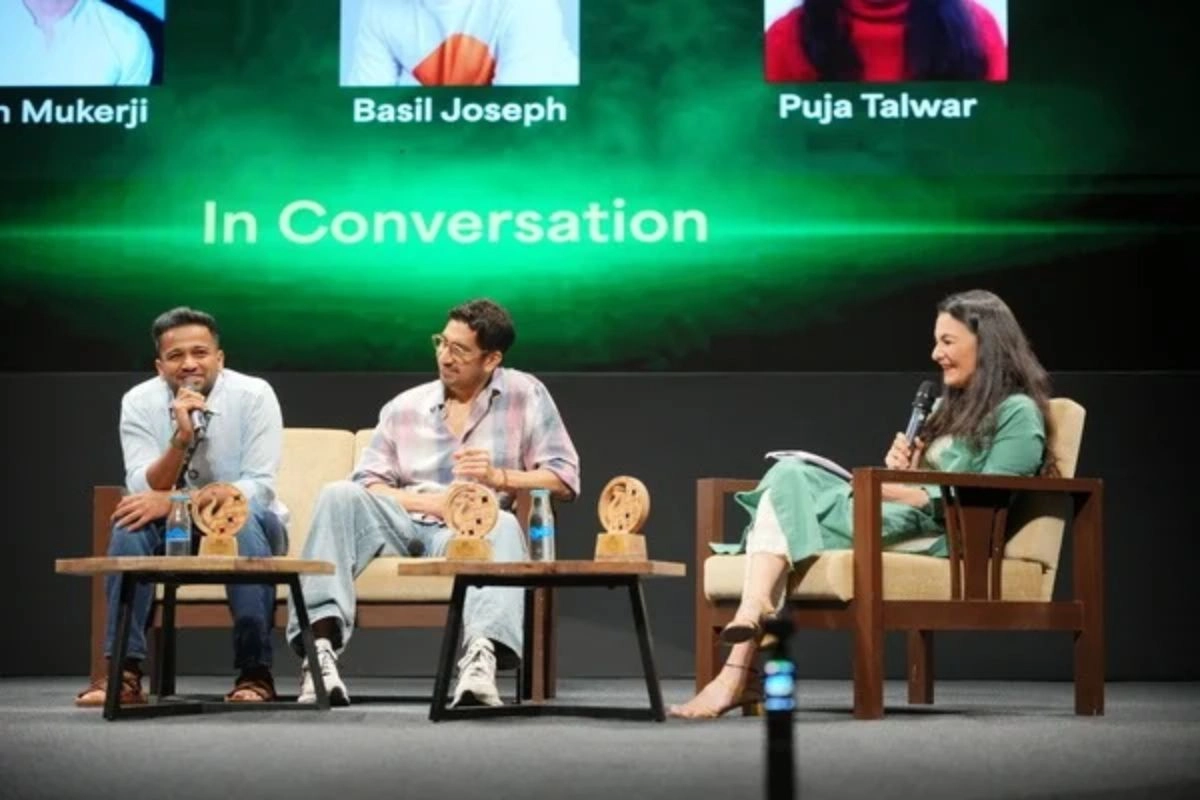
Filmmakers Ayan Mukerji and Basil Joseph discussed the possibilities of combining Indian mythology, folklore, superheroes and modern technology to create distinctive cinematic experiences at the 57th International Film Festival of India (IFFI) in Goa. During an In-conversation session titled ‘The Epic Genres – Mythologies, Superheroes & New Worlds’, moderated by Puja Talwar, the directors shared their experiences of developing fantasy narratives, overcoming creative and financial limitations, and drawing inspiration from India's cultural heritage.
Discussing the challenges of making superhero films in India, Basil Joseph pointed out that Indian cinema has traditionally portrayed its leading actors as larger-than-life personalities, making it difficult to establish a separate identity for superheroes. Recalling his experience with Minnal Murali, he explained how budgetary restrictions and creative limitations encouraged innovative storytelling. The superhero's appearance in a lungi, with his face covered and wearing chappals, was one example of turning practical constraints into distinctive cinematic elements.
Ayan Mukerji spoke about his fascination with the idea of extraordinary abilities existing within ordinary individuals. Reflecting on Brahmastra, he acknowledged the influence of Western fantasy works, including Harry Potter, during the film's initial development. However, incorporating spirituality into the narrative helped establish a stronger Indian identity for the project.
Both filmmakers emphasised the importance of creative authenticity. Basil Joseph said directors should remain faithful to their characters and personal identities rather than attempting to make their films artificially stylish. He maintained that simplicity and honesty are essential to effective storytelling. Mukerji, meanwhile, described Brahmastra as a demanding production, explaining how logistical difficulties and limitations often encourage filmmakers to explore unconventional approaches.
The discussion also highlighted India's extensive mythology and folklore as a valuable source of inspiration for filmmakers. Basil observed that Indian audiences grow up hearing stories about divine beings and supernatural powers, creating a natural connection with superhero narratives. He contrasted this tradition with Western popular storytelling, noting that India's cultural landscape offers an enormous collection of mythological characters and stories that can be adapted for cinema.
Mukerji highlighted the contribution of technological advancements in expanding the scope of filmmaking. He said modern tools have made it possible to translate ambitious creative ideas and fantastical settings into visual experiences, offering fresh ways to present traditional narratives to contemporary audiences.
On the growing influence of Artificial Intelligence, Basil Joseph argued that AI largely draws upon existing creative material, making originality increasingly important. He suggested that distinctive ideas and authentic storytelling would become more valuable as technology makes reproducing existing content easier.
The filmmakers also discussed how OTT platforms have expanded the audience base for Indian cinema. Basil noted that films produced in regional languages are increasingly finding viewers across the country, supported by greater accessibility through language options.
The session highlighted the potential of Indian cinema to develop its own identity in the fantasy and superhero genres by combining indigenous storytelling traditions with technological innovation, creative experimentation and authentic filmmaking.