Urvashi’s raw performance left crew in tears, recalls director Safar Sanal about debut film Aasha
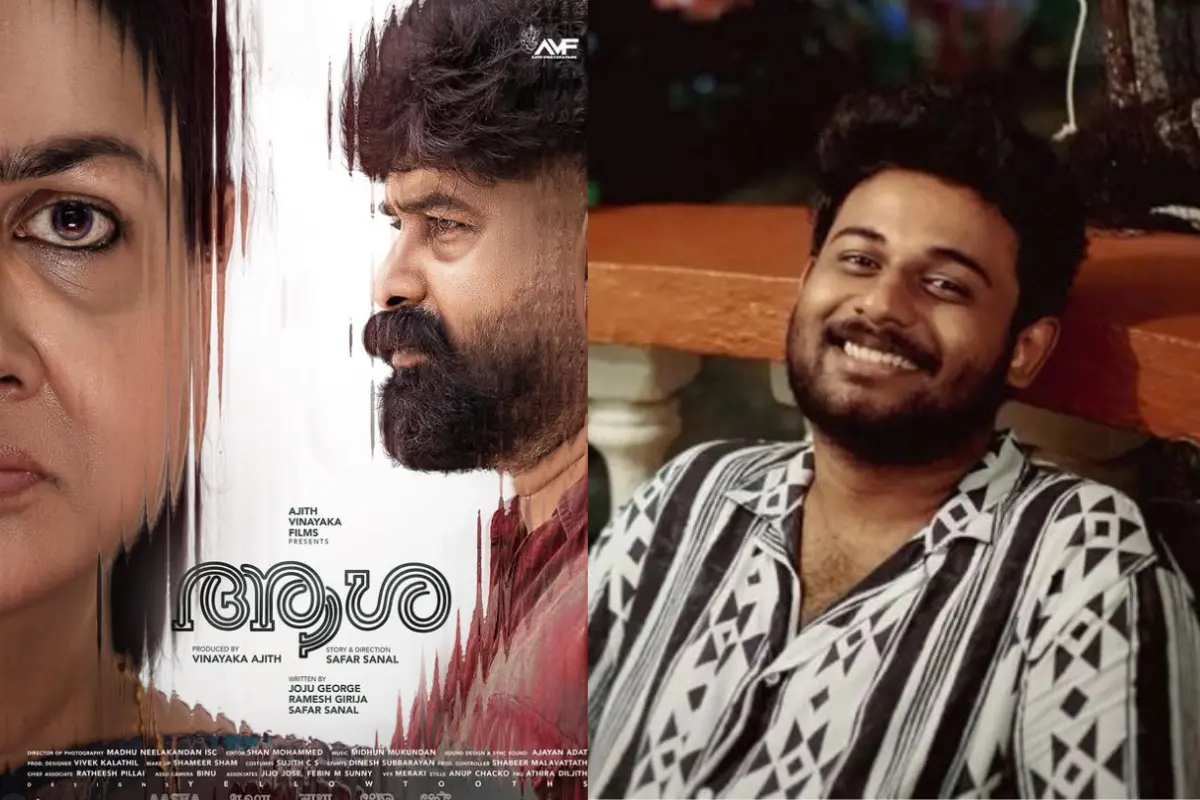
Aasha, the intense suspense drama film exploring the dark corners of the human psyche, driving audiences into deep contemplation about right and wrong, is running in theatres around us. The film starts with an aphorism by Nietzsche on the aesthetic standards that we have applied to morality, before introducing us to a bleak world of grey characters and ethical dilemmas.
However, for director Safar Sanal, not taking sides and breaking the traditional hero/heroine tropes through Aasha was intentional and was the culmination of a ten-to-twelve-year journey without an industry background.
Crafting Aasha by subverting male gaze
As Safar started thinking about placing a female central character in his debut film, he wanted to ensure that the story shouldn’t unfold through the ‘male gaze’.
The director says that all the interactions that he has had with women throughout his life have helped him in one way or another in crafting Aasha’s character: “My wife, Arsha Kurian, and I conducted research together by listening to personal experiences and stories from people in our lives, including our mothers. We conducted research akin to the way we do in 'Women's Studies' by talking to many young women. Gathering those organic, real-life incidents was extremely helpful. Bringing all of those character traits together into the storyline is how the character Aasha was ultimately developed.”
Urvashi’s unforgettable improvisation
Nonetheless, for Safar, one of the greatest gifts of making Aasha was the ‘blessing’ of working with legendary actress Urvashi. Each day of working with her taught him more about character detailing and improvisation than any university or filmmaking course could have.
Safar says: “For the mother's character, Urvashi chechi was our only choice. During the shoot of a high-emotion confrontation scene between mother and daughter, I gave her the freedom to improvise. When the camera rolled, she unexpectedly slammed her hand hard against the wall in raw emotion, leaving her hands swollen and bruised and bringing the whole crew- including Madhu chetan (cinematographer) and myself- to tears. Learning character detailing and improvisation from such a legend was an incredible fortune.”
“Making the movie was my film school”
Safar strongly believes that the final output of Aasha turned out to be better than he had expected due to the exceptional cast and crew who gave their best to the film. In fact, audiences were quick to identify and appreciate Madhu Neelakandan’s masterful cinematography, Govind Vasanth’s heartrending music and Ajayan Adat’s restrained sound design, along with the consummate performances of Vijayaraghavan, Aishwarya Lakshmi and Joju George. “By the time the complete process of making the movie was over, it felt as though I had graduated with a degree from a film school. Everyone on board are highly experienced and exceptionally talented people, so I had so much to learn from them. A film is ultimately a team effort, and having such a strong team was my greatest stroke of luck,” Safar added.
A story that changes with the viewer
More than anything, what gave Safar the utmost satisfaction was seeing how audiences engaged with and interpreted the film’s layered narrative in their own ways. The film shows us that the conclusions we draw about individuals based on the limited information we have about them can often be wrong. As the storyline develops, audiences are compelled to change the lens through which they view and understand the central characters.
Safar concluded by pondering what more a director needs than to realise that audiences are interacting with his story exactly as he had intended: “Hearing from women, journalists, and friends that Aasha felt very relatable was deeply fulfilling. Director Mahesh Narayanan got my number after watching the first half and called me in excitement. He then called again after watching the full film with high praise- an unforgettable moment for me. Directors Anwar Rasheed and Jeo Baby, and actor-writer Joy Mathew, also shared overwhelming compliments. Such appreciation from a sensitive audience is the greatest blessing for an independent debut filmmaker like me.”