Why was Mohammed Rafi’s charity considered ‘illegitimate’?
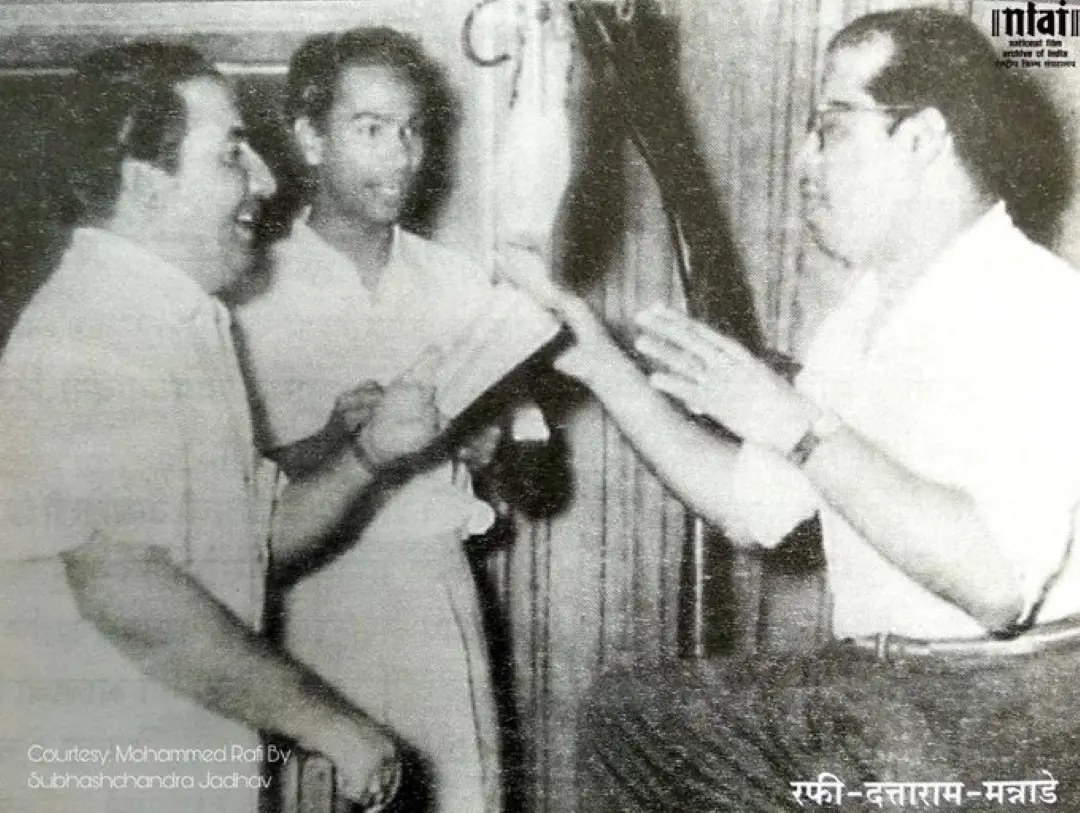
New Delhi: Mohammed Rafi, beloved for his soulful voice and generous spirit, once faced a shocking rejection when his donation to a mosque was returned. The legendary singer, known for his devotion and selfless acts, had contributed a sum of Rs 5,000 for the Old Palasia Mosque in Indore. However, to his surprise, the mosque committee rejected the donation, deeming his earnings "illegitimate."
The reason? According to the committee, singing was not considered a permissible occupation in Islam, and therefore, money earned from it was not deemed fit for religious charity. This rejection deeply affected Rafi, who was known for his quiet nature and long pauses in conversation. But on this occasion, his usual calm broke.
Rafi’s daughter-in-law, Yasmin Khalid Rafi, recalled the moment in her biography, 'Mohammed Rafi: My Abba'.
“Allah has bestowed only this talent upon me right from my childhood, which I practise with great effort and integrity and it is open before the world. Even then my earnings are illegitimate? There might be two opinions on the subject, but if this is the basic message of Islam on this matter, then only Allah knows whose earnings are legitimate or illegitimate,” she wrote.
Rafi's sense of devotion extended far beyond his music career and was rooted in his childhood experiences in Lahore. As a young boy, he was deeply influenced by a fakir who would sing songs by Sufi poets, a figure that fuelled his desire to pursue music. This devotion to helping others remained with him throughout his life.
Rafi’s habit of giving
Rafi’s giving nature was well known to those around him. Yasmin Khalid Rafi shared in her book that her father-in-law always kept a box of currency in his car, distributing money to beggars whenever he could.
“When the car stopped at the traffic signals, beggars would call out to him, addressing him as, 'Haji Saheb', 'Rafi Bhai' or 'Rafi Saheb', and stretch out their hands. Abba would distribute money throughout the journey. He never refused an outstretched hand,” she wrote.
This compassion stemmed from a childhood incident when Rafi gave all the money in his family’s savings box to a fakir, even though it resulted in him being scolded and whipped by his parents.
Years later, Rafi would recount this story and explain, “This has been my habit since childhood. Once that fakir whom I used to follow in the lane where we lived told me that he needed money. I did not pause to think, for I was anxious to help.”
In another touching incident, Rafi once gave a beggar Rs 100 after a song from his own film, 'Miss Mary' (1957), was sung to him.
The beggar, singing “Pehle paisa phir bhagwaan, Babu dete jana daan, dete jana”, moved Rafi to tears, and he immediately handed over the Rs 100 note.
PTI