Mollywood in mutiny: Film bodies celebrate, artists revolt after Dileep verdict
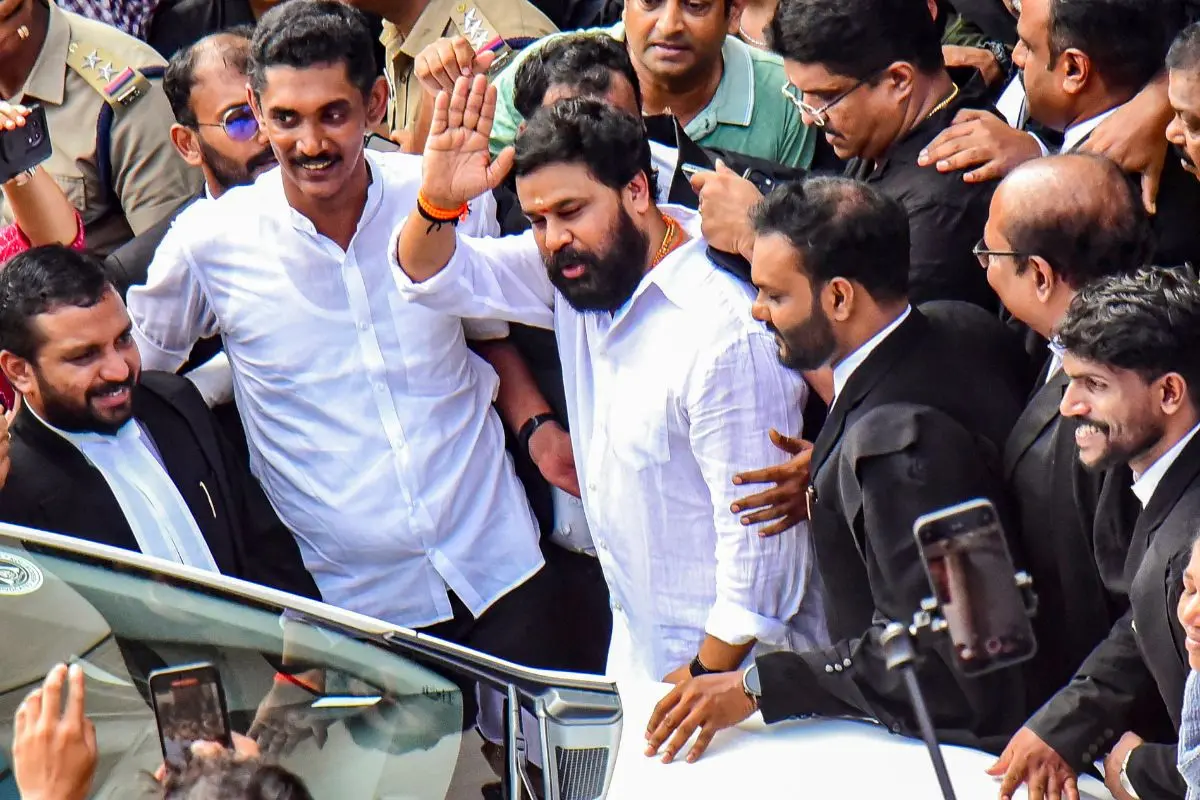
Kozhikode: Actor Dileep’s acquittal in the 2017 actress abduction and sexual assault case on December 8 has ripped open a fresh fault line in Mollywood, with powerful industry bodies signalling a red-carpet return for the star even as prominent women in the fraternity accuse them of abandoning the survivor.
On December 8, the Ernakulam Principal District and Sessions Court acquitted Dileep, the eighth accused in the case, and three others, while convicting six co-accused, including prime accused Sunil “Pulsar” Suni, eight years after the attack on the actor inside a moving vehicle near Kochi in February.
The Kerala government has already announced it will challenge the acquittal in a higher court, stressing that it “stands firmly with the survivor”.
Yet, within hours of the verdict, major Malayalam film bodies moved to welcome Dileep back into the fold. The Film Employees Federation of Kerala (FEFKA) and the Kerala Film Producers Association publicly indicated there would be no obstacles to his reinstatement once he sought it, while the Association of Malayalam Movie Artists (AMMA) put out a social-media statement “respecting” the court’s decision and aligning itself with the judicial process.
The speed and tone of those responses triggered an immediate backlash from within the industry, particularly from women who had rallied around the survivor over the past eight years.
Senior dubbing artist and actor Bhagyalakshmi announced she was resigning from FEFKA in protest, calling the rush to bring Dileep back a signal that organised film bodies “will never stand with survivors”.
She argued that treating a trial court verdict as the final word, even as the state prepares an appeal, sent a chilling message to women who speak out against sexual violence.
Scriptwriter and Women in Cinema Collective (WCC) member Deedi Damodaran sharpened the critique, questioning colleagues who continue to remain in bodies like AMMA while publicly claiming solidarity with the survivor.
WCC, formed in the aftermath of the 2017 assault, has long positioned itself against what it calls entrenched gender hierarchies and impunity in Malayalam cinema.
“Real solidarity,” members argued, would mean walking out of organisations that rush to normalise Dileep’s return without waiting for the appeal process to play out.
The storm comes against the backdrop of an industry already on the defensive after the Hema Committee report detailed systemic harassment, blacklisting, and unsafe work conditions for women in Malayalam cinema.
For many, the celebratory tone around Dileep’s acquittal and talk of “pressure” to readmit him to FEFKA and AMMA looks like a direct repudiation of those findings.
Voices, meanwhile, remain sharply split. Actress Roshna Ann Roy has publicly hailed the verdict, declaring “Always avanoppam” and insisting that “truth has prevailed”, while other leading women actors, including members of WCC, continue to post messages of solidarity with the survivor.
Actor Asif Ali has said he accepts the court’s decision but underlined that the survivor “must get justice”, carefully sidestepping questions on Dileep’s return to sets.
Actor Parvathy Thiruvothu, one of the most vocal advocates for safer, more accountable film workplaces, reacted to the verdict with a quiet but firm message of solidarity.
Without naming Dileep, she posted a pointed note reiterating that court outcomes do not erase the lived reality of survivors and that systemic power dynamics often decide who feels safe to speak — and who doesn’t.
Her response, widely shared across Malayalam cinema circles, underlined what she has consistently maintained since 2017: that the industry must prioritise the survivor’s dignity and wait for the full legal process, including appeals, before rushing to celebrate anyone’s return.
For many within WCC and beyond, Parvathy’s stance became a rallying marker of what principled support looks like at a moment when film bodies appeared eager to move on.
As film bodies weigh formal reinstatement and the state readies its appeal, Mollywood is once again being forced to pick a side — not just on Dileep, but on what it believes justice, safety, and solidarity for women in the industry should actually look like.