Tubal ligation: What women need to know before getting their tubes tied
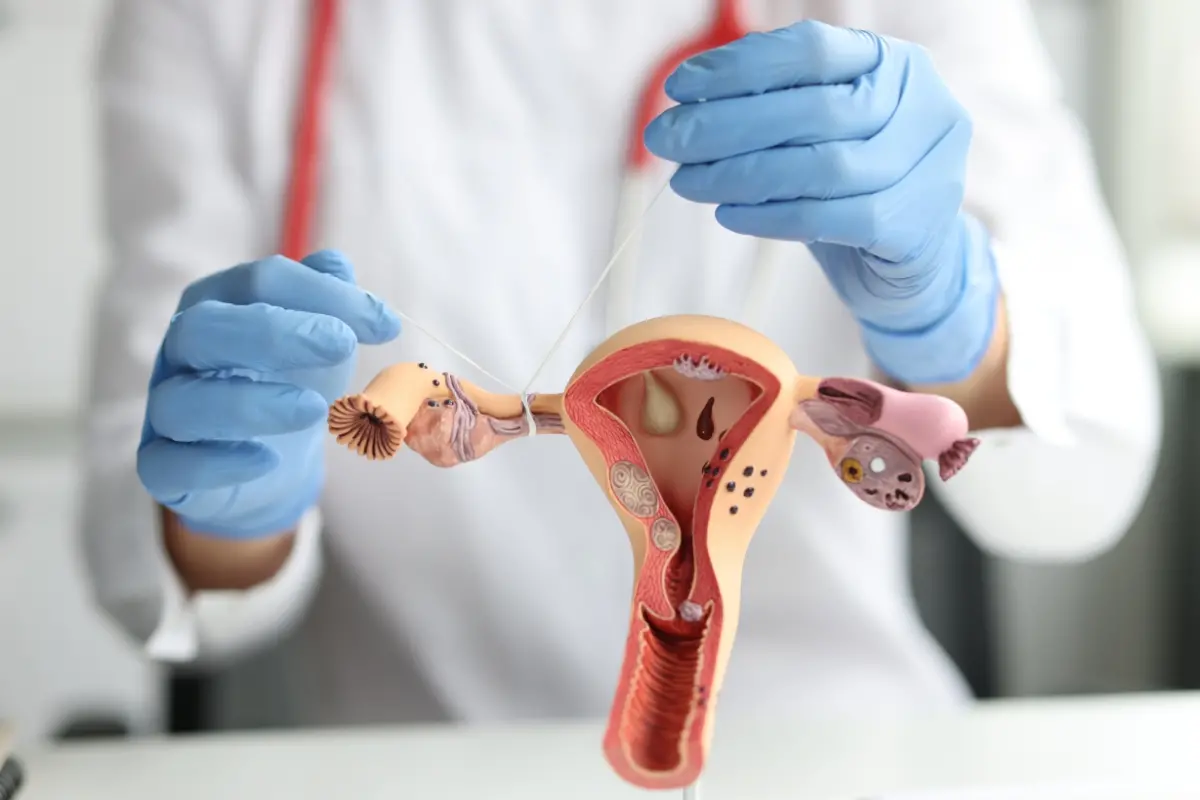
Deciding to get your “tubes tied” is a big, permanent choice—think of it like putting a long-term pause button on pregnancy. For instance, Ramisha, a 30-year-old software engineer from Chennai, chose tubal ligation after having three children and feeling confident she was done with her family planning. “It gave me clarity,” she told Mathrubhumi.
While the procedure is common in India and around the world, it’s important to know how it works, who can access it, and what to consider before taking this life-changing step.
What is tubal ligation?
Tubal ligation, often called “getting your tubes tied” or female sterilisation, is a permanent form of birth control. It involves surgically blocking or sealing the fallopian tubes so eggs cannot travel to the uterus. This stops pregnancy permanently. The procedure is usually done through small cuts in the abdomen (laparoscopy), or sometimes immediately after childbirth, especially after a caesarean.
How does it work?
The fallopian tubes are cut, tied, sealed, or closed with rings or clamps. Once done, sperm cannot meet an egg, making pregnancy impossible. Because it is permanent, medical professionals often discuss the long-term consequences and emotional readiness with women before performing it.
While it's possible to reverse the procedure, reversal is not always successful, and the decision should be made with the understanding that it is meant to be a lifelong choice.
Who can get it?
Globally, there is no strict legal age for tubal ligation in many countries, including the United States, though doctors may counsel younger patients carefully due to its permanence.
In India:
- Government guidelines generally recommend the procedure for women aged 22–49 years.
- Most public hospitals prioritise married women, though unmarried women can access it in private clinics after counselling.
- It is usually offered to women who have had at least one child, as part of family planning programs.
Is it covered by insurance?
In India, tubal ligation is often free or under subsidy under schemes like the National Family Health Mission in public hospitals.
Private insurance coverage varies; some policies cover the procedure, while others may not. Women should confirm coverage with their insurance providers.
Globally, many health insurance plans cover sterilisation. For example, in the United States, plans purchased through the Health Insurance Marketplace must cover tubal ligation without extra costs, unless the provider has a religious exemption.
Why women choose tubal ligation
- They have completed their family or do not want more children.
- Pregnancy may be risky due to health conditions such as heart disease, diabetes, preeclampsia, or stroke.
- To avoid passing on genetic conditions, sometimes combined with IVF and preimplantation genetic testing (PGT).
- Desire for a permanent, low-maintenance contraception option.
Reasons to pause
- Uncertainty about future childbearing.
- Young age or changing life circumstances.
- Health or surgical risks requiring further evaluation.
- Awareness of potential emotional effects; studies show up to 28% of women may experience sterilisation regret over time.
- Postpartum tubal ligation, Many women choose the procedure immediately after childbirth.
In India, under government schemes, consent forms must be signed 30–180 days before the procedure, so planning and discussions with doctors are important.
Tubal ligation is a permanent decision, requiring careful thought about health, age, family planning, and emotional readiness. In India and globally, the procedure is available in both public and private settings, but each woman should weigh the benefits and risks. Consulting qualified medical professionals ensures the procedure is safe, timely, and suited to personal circumstances.
(Disclaimer: This article is for informational purposes only and does not constitute medical advice. Tubal ligation is a permanent medical procedure, and decisions regarding it should be made in consultation with a qualified healthcare professional.)