Why your stomach acts weird before periods? Pre-period bloating and gas explained
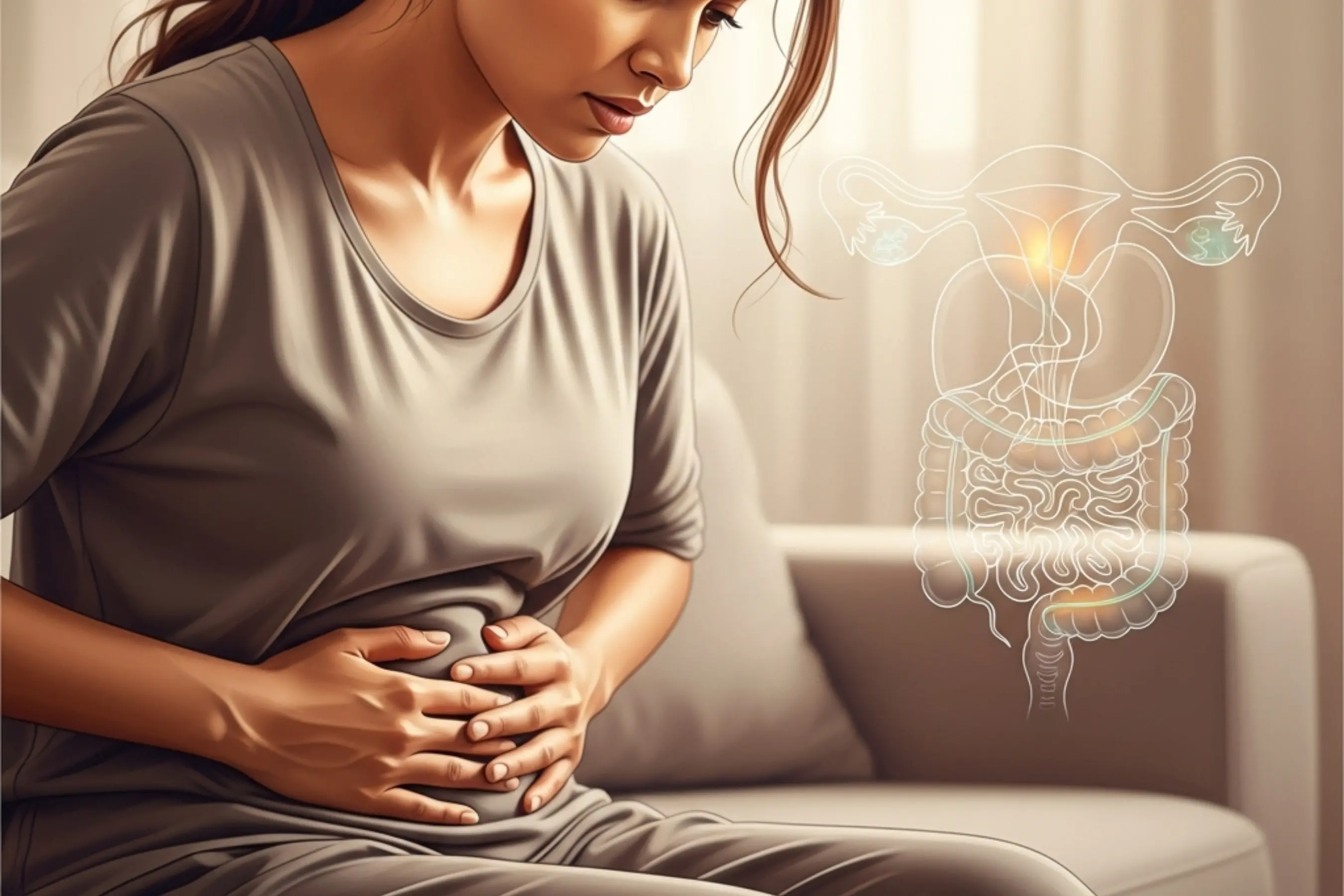
Ever felt like your stomach has a mind of its own just before your period starts? That heavy, bloated, or unusually gassy feeling is something many people experience each month. While it can be uncomfortable or a little embarrassing, it is usually just your body responding to normal hormonal changes. Understanding why this happens can make the whole experience feel a little less confusing.
Why your stomach may feel weird before periods
Many women notice digestive discomfort before or during their menstrual cycle. This can include bloating, gas, constipation, or sometimes loose stools. Doctors say these changes are usually linked to normal hormonal fluctuations rather than serious health problems.
Why gas and bloating increase during periods
Two hormones play a major role in menstrual digestive changes — progesterone and prostaglandins.
- Progesterone
Before periods begin, progesterone levels drop. Progesterone normally helps relax smooth muscles in the body. When its level falls, digestion may slow down.
When food moves slowly through the intestine, bacteria get more time to break down undigested food. This natural fermentation process can produce more gas and lead to bloating or an unpleasant smell.
- Prostaglandins
Just before menstruation, the uterus releases prostaglandins to help shed its lining. These chemical compounds can also affect nearby digestive muscles.
This may result in uterine cramps, frequent bowel movements, diarrhoea, or stomach discomfort. Because the uterus and intestines share nerve pathways, uterine contractions can sometimes make gut symptoms feel stronger.
What many people feel before and during periods
Some women feel a sense of stomach fullness or tightness a few days before bleeding starts. Others may suddenly need to visit the bathroom more often once periods begin.
Hormonal changes can also trigger cravings for sugary, fatty, or dairy-rich comfort foods. While these foods may feel satisfying, they can sometimes increase gas production if the digestive system is already sensitive.
People who have sensitive digestion or conditions like irritable bowel syndrome may notice stronger symptoms during menstruation.
How to manage period-related gas and bloating
Staying hydrated helps fibre move smoothly through the digestive tract and reduces gas buildup.
Limiting foods that commonly trigger gas, such as carbonated drinks, beans, and certain cruciferous vegetables, may help some people feel more comfortable before periods.
Some doctors suggest magnesium supplementation because it may help relax smooth muscles and reduce cramping. Over-the-counter anti-inflammatory medicines like ibuprofen may also help by reducing prostaglandin activity, which can lessen cramps and bowel discomfort.
When digestive symptoms need medical attention
Mild bloating or gas is common during periods. However, you should consult a doctor if symptoms are severe or unusual.
Seek medical advice if there is:
- Severe abdominal pain that affects daily activities
- Persistent diarrhoea or signs of dehydration
- Blood in stool
- Unexplained weight loss
- Digestive problems that continue even after the menstrual cycle
These symptoms may sometimes be associated with conditions such as endometriosis, pelvic inflammatory disease, or other gastrointestinal disorders.
Why awareness matters
Understanding that period-related digestive discomfort is usually linked to natural hormonal rhythms can help reduce anxiety. For most women, these symptoms are temporary and part of the body’s normal monthly cycle.
(Disclaimer: This article is for informational purposes only and is based on general medical knowledge and expert commentary available in the public domain. It is not intended to replace professional medical advice, diagnosis, or treatment. If you experience severe, persistent, or unusual symptoms, please consult a qualified healthcare professional.)