Can women donate blood during periods? Medical experts explain
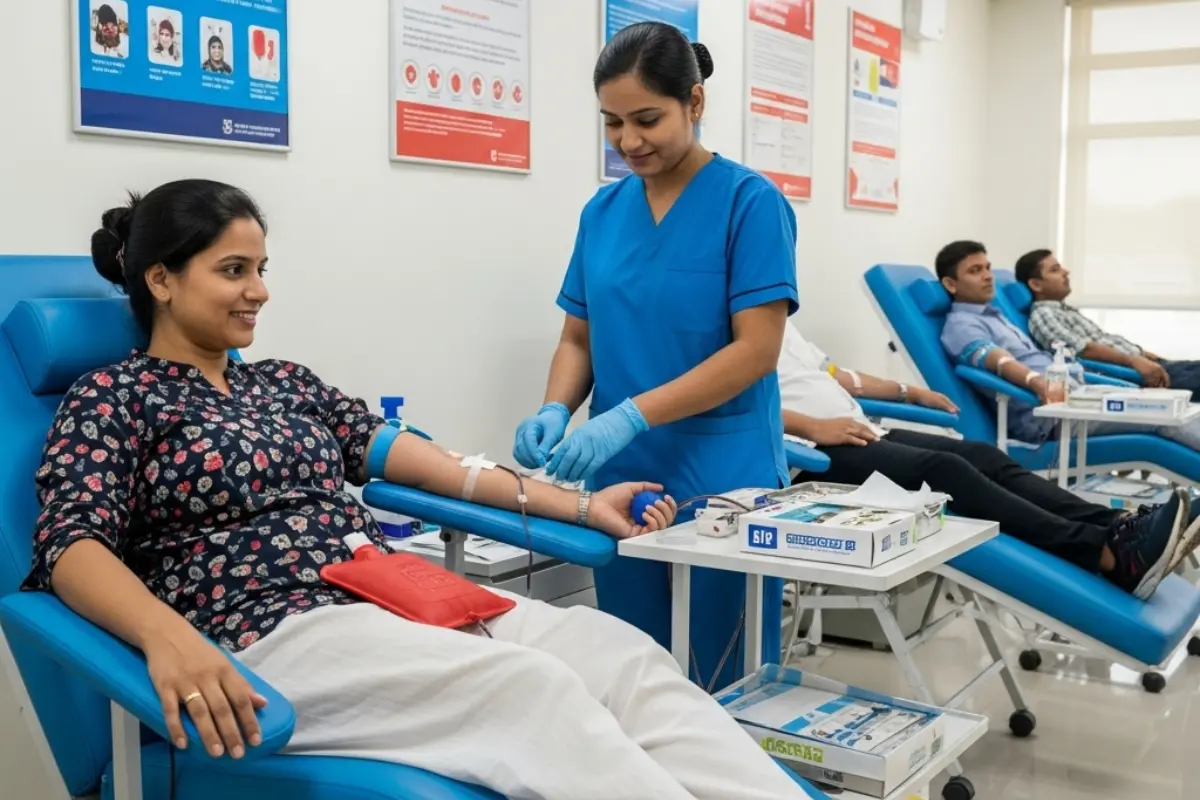
Donating blood during menstruation continues to be surrounded by misconceptions, often discouraging women from participating in life-saving blood donation drives. Medical experts, however, confirm that menstruation alone is not a medical reason to defer blood donation.
How blood donation eligibility is decided
Blood donation centres assess donors based on overall health indicators such as haemoglobin levels, body weight, blood pressure, and general well-being. According to doctors, the menstrual cycle is not part of the eligibility checklist. A healthy woman who meets haemoglobin requirements can safely donate blood, even during her period.
- Myth: donating blood during periods is dangerous
Menstrual blood loss typically ranges between 30 and 80 ml over several days. In comparison, a standard blood donation involves about 450–500 ml. In healthy individuals, the body replenishes donated blood within a few weeks. Doctors state that menstruation does not make blood donation inherently risky if haemoglobin levels are adequate.
- Myth: menstrual blood affects donated blood quality
Medical experts clarify that donated blood is drawn from veins in the arm, not from the reproductive system. Menstrual bleeding has no connection to the blood collected for transfusion. All donated blood undergoes mandatory screening for safety and quality before use.
When caution may be needed
Women experiencing heavy menstrual bleeding may already have lower iron or haemoglobin levels. In such cases, doctors advise checking haemoglobin levels and, if needed, postponing donation until bleeding reduces. Light to moderate menstrual flow generally does not pose a problem.
Anaemia and recovery after donation
Donating blood does not automatically cause anaemia. However, women are advised to stay well-hydrated, rest adequately, and consume iron-rich foods such as leafy greens, pulses, eggs, or fortified cereals after donation. These steps support quicker recovery and maintain healthy iron levels.
Medical consensus in 2026
Doctors emphasise that listening to one’s body is important. If a woman feels unwell, dizzy, or excessively fatigued during her period, delaying donation is reasonable. Otherwise, menstruation itself is not a barrier to donating blood.
By addressing these myths with medical facts, health experts hope more women will feel confident about donating blood and helping bridge the gap between blood demand and supply.
(Disclaimer: This article is for general informational purposes only and does not replace professional medical advice. Individuals with anaemia or underlying health conditions should consult a qualified healthcare professional before donating blood.)