What is Halloween? The story of how a Celtic festival turned into a global event
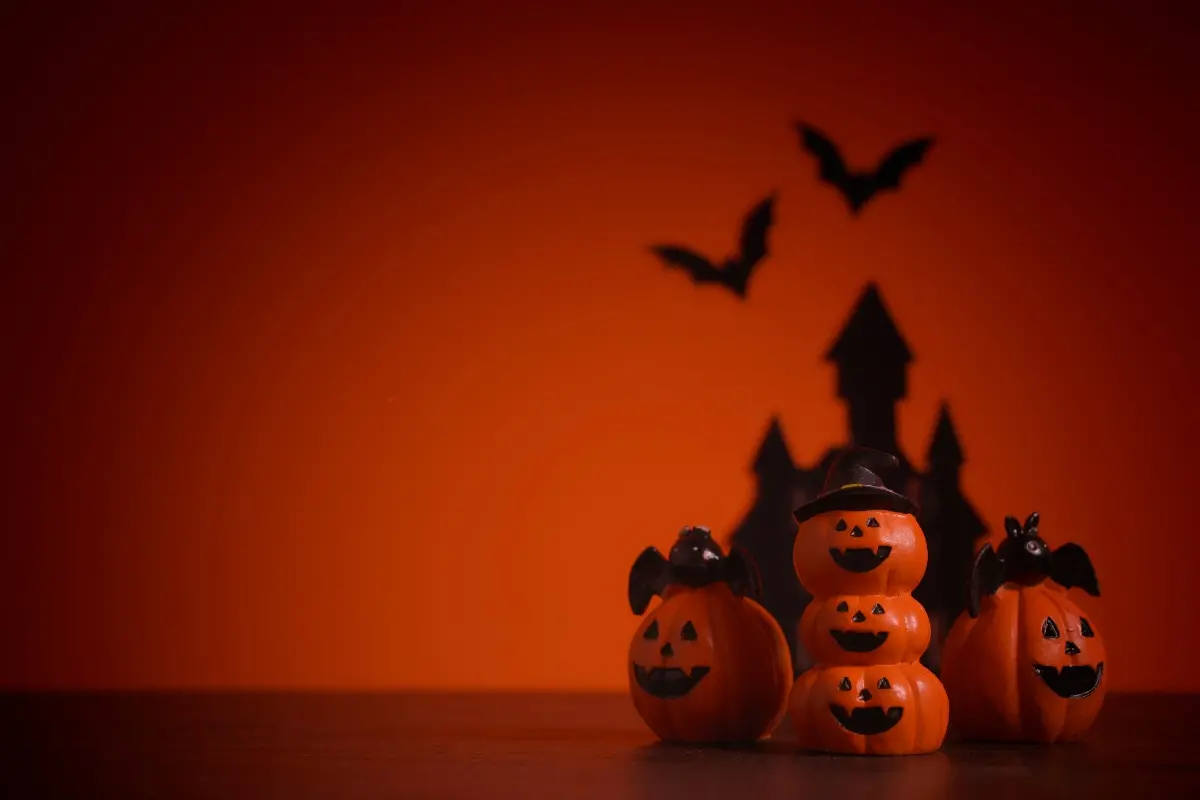
Halloween, celebrated every year on 31 October, is known today for spooky costumes, glowing jack-o’-lanterns, and trick-or-treating. But behind the fun lies a history that dates back over 2,000 years to the ancient Celtic festival of Samhain — a time when people believed the line between the living and the dead blurred.
Origins in Celtic tradition: Samhain
Halloween’s roots trace back to the ancient Celts of Ireland, the UK, and northern France, who celebrated Samhain to mark the end of the harvest and the onset of winter — a season associated with death and the supernatural.
They believed that on the night of 31 October, spirits of the dead returned to Earth. To ward off these spirits, the Celts lit large bonfires, offered food, and wore disguises made of animal skins.
Christian influence and the birth of All Hallows’ Eve
When Christianity spread across Europe, the Church sought to replace pagan festivals with Christian observances. All Saints’ Day, also known as All Hallows’ Day, was introduced on 1 November to honour saints and martyrs.
The evening before became known as All Hallows’ Eve, which over time was shortened to Halloween. This blending of pagan and Christian customs helped preserve many Samhain traditions, including the association with spirits and bonfires.
The rise of modern Halloween traditions
The celebration evolved as Irish immigrants carried their customs to North America in the 19th century. Over time, Halloween shifted from a solemn night of remembrance to a community event filled with games, costumes, and sweets.
Trick-or-treating emerged in the 1930s as a safer alternative to pranks and mischief, while the carving of jack-o’-lanterns originated from the Irish legend of Stingy Jack, who roamed the Earth with a lantern carved from a turnip. When settlers reached America, pumpkins replaced turnips, giving rise to the iconic orange glow of Halloween.
Halloween around the world today
Today, Halloween is celebrated globally — from the United States and Canada to parts of Europe, Japan, and even urban India. Schools, malls, and clubs across major Indian cities now host costume parties and themed events inspired by Western traditions.
Despite its modern-day commercial appeal, the festival continues to symbolise a connection between the living and the spirit world — blending ancient Celtic beliefs, Christian customs, and modern creativity.
Halloween remains one of the world’s most dynamic festivals, evolving from a harvest ritual to a global cultural phenomenon. Its enduring appeal lies in its ability to mix fear, fun, and folklore — uniting people across cultures in celebration of imagination and the mysteries of the night.