Why India's tattoo culture looks like carrying home
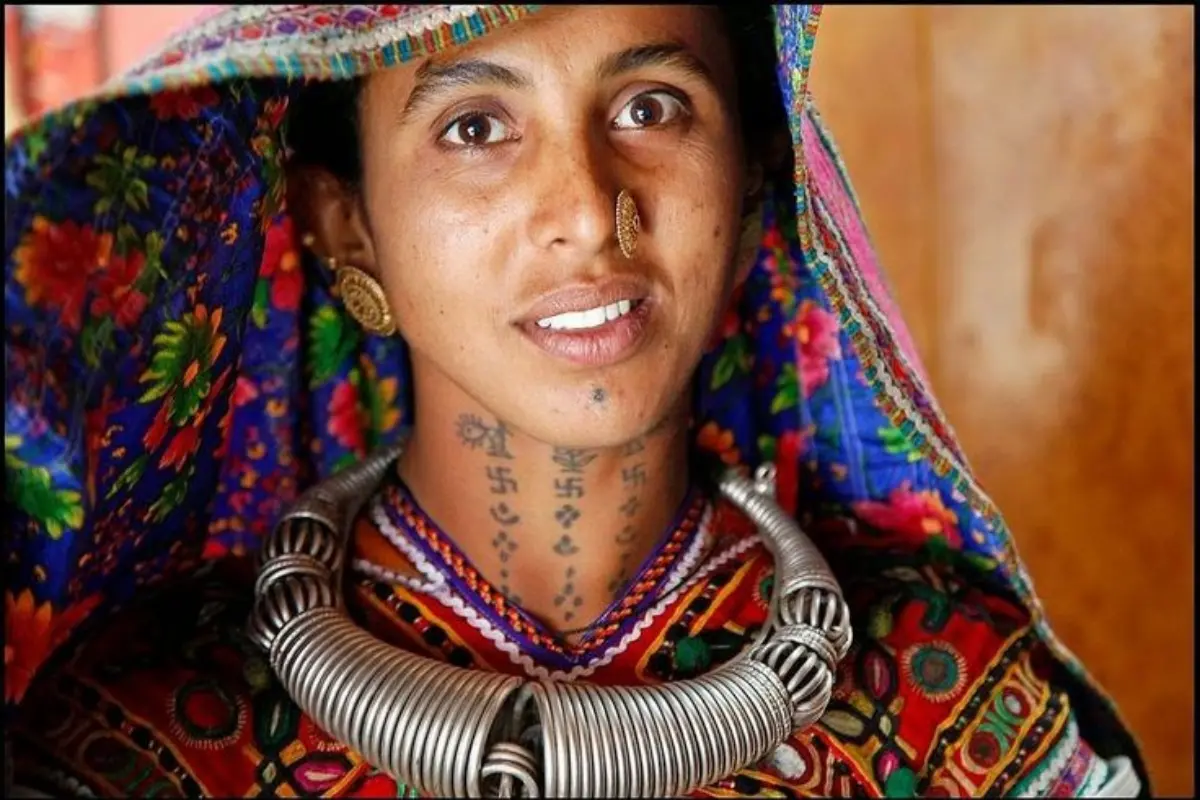
There was a time when getting a tattoo meant choosing from a catalogue of rose, name, quote or a symbol borrowed from somewhere else.
For years, tattoo culture in India looked outward for inspiration. Japanese dragons stretched across their shoulders, American traditional designs found their way onto forearms, Scandinavian minimalism and Pinterest-approved line drawings became universal visual language.
Today, it is slowly changing.
Tattoo artists across India are seeing people arrive with references that feel much closer to home, a handloom pattern from a grandmother's sari, a temple carving photographed on a family trip, a motif from a community's folk art tradition, or symbols that have existed in family histories for generations.
People still get tattoos because they look beautiful. But increasingly, they want them to feel familiar too.
"Traditional Indian art is definitely becoming more popular," says tattoo artist Vineesh Thomas of InStyle Tattoo. "Not just within local communities but among travellers and collectors as well. People are appreciating Indian motifs and art styles much more."
The instinct behind it is centuries old.
Long before tattoo studios, flash sheets and social media trends, tattoos carried meaning across many Indian communities. Among the Rabaris of Gujarat, they were seen as adornment, protection and markers of identity. The Kutia Kondh of Odisha wore geometric markings tied to community and belief. Among the Baiga and Santhal tribes, tattoos were often possessions that could accompany a person beyond death.
The motivations may have changed, but the idea remains familiar, that what is inked onto the skin should carry memory, belonging and meaning.
Perhaps that is why the biggest tattoo trends of 2026 feel divided between spectacle and sentiment.
On one side are hyper-realistic portraits, spiritual sleeves, mythological scenes and elaborate ornamental compositions. On the other are fine-line tattoos, pet portraits, tiny colour pieces and intimate tributes to parents, partners and loved ones.
The styles may look different, but both have a growing desire for tattoos that feel personal than simply decorative.
Across India, artists are also discovering that traditional visual languages translate naturally onto skin.
Temple sculptures become sleeves, tribal motifs become contemporary line work, mandalas and ancient print techniques are reimagined through modern tattooing.
"We love bringing Indian heritage into our work," Vineesh explains.
"From temple sculptures to tribal art and mandalas. They work beautifully because of their boldness, contrast and clean lines."
Aesthetics alone no longer seem enough. People want stories and context. They want tattoos that talk about who they are, where they come from, or what they want to remember.
Looking ahead, Vineesh expects even greater customisation. AI-generated mood boards, personalised concepts and theme-based projects are already changing how people approach tattooing.
"People are treating their bodies as a canvas," he says.
The future of tattoo culture in India may not be defined by a single style, technique or trend. Instead, it may be about turning toward their own memories, histories and cultural references.
Because they are trying to leave a more personal mark within it. And right now, that mark looks a lot like carrying home.