Ghost sightings, human sacrifice and a modern murder: Chilling legends of Maharashtra's Lohagad fort
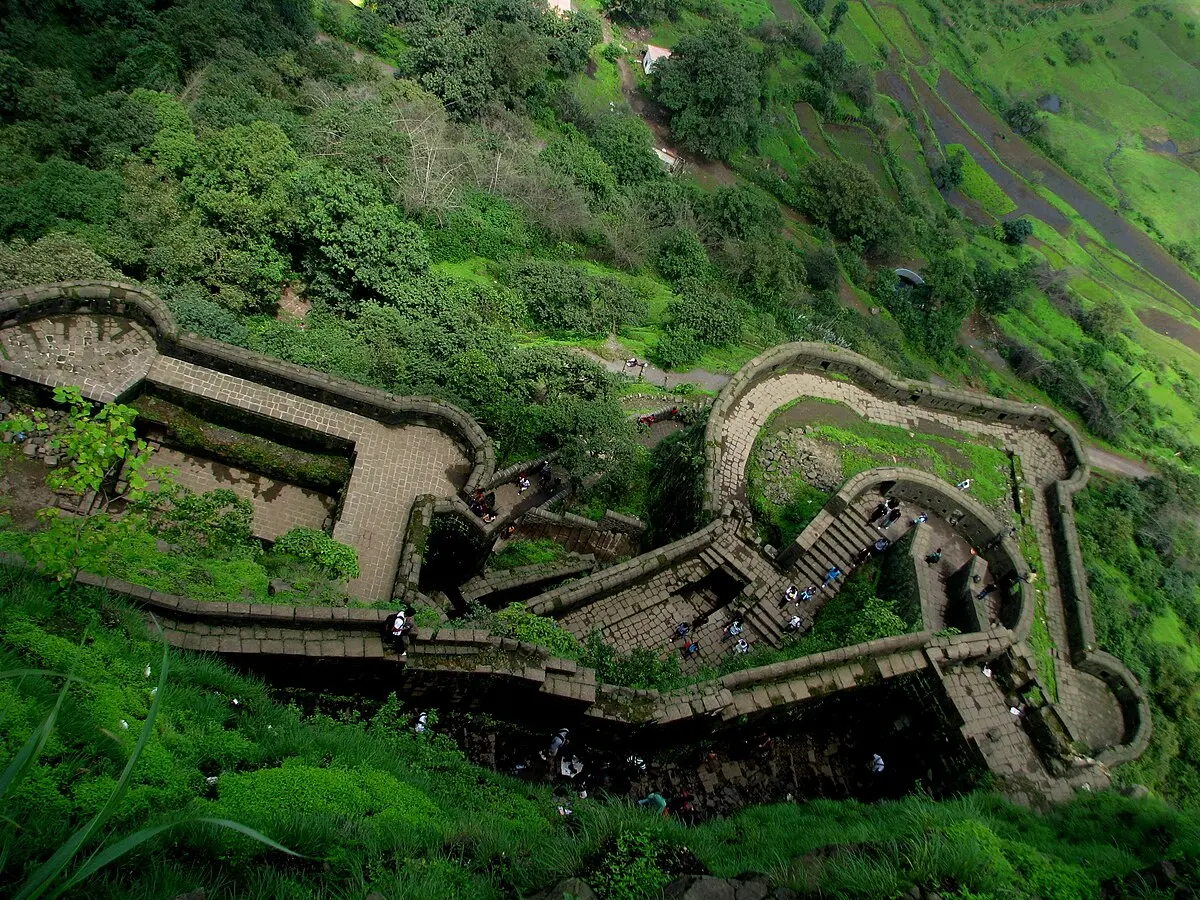
The dramatic murder investigation surrounding a young businessman at Maharashtra's Lohagad Fort has once again turned public attention towards the ancient hill fortress. What was initially believed to be a tragic trekking accident has since unfolded into an alleged murder conspiracy, with police accusing the victim's fiancée and her alleged lover of plotting his death.
The case has dominated headlines, but beyond the criminal investigation lies another story that has long fascinated visitors. For generations, Lohagad has carried a reputation that extends well beyond its military past. Whispered ghost stories, unexplained sightings, tales of hidden treasure and eerie local legends have transformed the 2,000-year-old monument into one of Maharashtra's most enigmatic historical sites.
Whether these stories are products of folklore, imagination or centuries of oral tradition, they continue to add an unsettling layer to one of the state's most popular trekking destinations.
Strategic military stronghold
Standing atop the Sahyadri ranges near Lonavala in Pune district, Lohagad, meaning "Iron Fort", has watched over the Western Ghats for nearly two millennia.
Its earliest origins are traced to the Satavahana era, although historians believe much of the existing fortification took shape between the 10th and 14th centuries before later rulers expanded its defences.
Its commanding position overlooking vital trade routes made it one of the most coveted military strongholds in the Deccan. Control of the fort passed through several dynasties, including the Nizamshahi rulers, the Bijapur Sultanate and the Mughals, before it emerged as an important Maratha outpost.
During the reign of Chhatrapati Shivaji, Lohagad assumed greater significance as part of the Maratha defence network. Historical accounts suggest it also served as a secure treasury and administrative centre after several military victories. Following the Anglo-Maratha wars, the British eventually took possession of the fort, ending its strategic military role.
Today, visitors climb through towering stone gateways, explore centuries-old water reservoirs and walk along the iconic Vinchu Kata, a narrow ridge whose shape resembles the curved tail of a scorpion stretching into the surrounding valleys.
Ganesh Darwaja folklore
Among the many stories linked to Lohagad, none has endured quite like the tale surrounding Ganesh Darwaja, the first of the fort's four main entrances.
According to local folklore, a fort official once dreamt that the gate's foundations were unstable and cursed. To ensure the structure would stand forever, the dream supposedly demanded a human sacrifice.
The legend claims that a man and a woman were buried alive beneath the gateway during its construction. Despite its popularity among local storytellers and guides, historians say there is no documentary evidence to support the account.
Another version of the story centres on a member of the Savale family, who was allegedly sacrificed in exchange for land rights and privileges in the nearby village. Like the earlier narrative, this too survives through oral tradition rather than historical records.
Scholars note that similar foundation sacrifice legends appear in many cultures around the world, often becoming attached to ancient forts, bridges and temples over time.
Reported ghost sightings
As daylight fades, Lohagad's historical appeal gives way to stories that have kept paranormal enthusiasts intrigued for years.
Trekkers have occasionally described seeing dark silhouettes moving along the weathered ramparts before disappearing moments later. Others claim mysterious figures briefly appear on isolated sections of the fort, only to vanish before anyone can reach them.
One of the most frequently repeated stories involves what witnesses describe as a solitary guard. According to anecdotal accounts, the figure appears in the distance, silently gestures towards visitors and disappears without a trace as people approach.
None of these claims has ever been independently verified. Most originate from personal experiences shared on travel blogs, social media and among local guides.
Unexplained night-time sounds
Lohagad's reputation for mystery extends beyond ghostly apparitions.
Some visitors report hearing distant footsteps, whistles or unexplained noises once darkness settles over the fort. Such accounts become especially common during the monsoon, when thick mist blankets the structure and powerful winds sweep through its stone passages.
Many experts, however, believe these sounds can be explained by natural causes. The fort's rugged architecture, narrow corridors and changing mountain weather often create unusual echoes and acoustic distortions that may be mistaken for something supernatural.
Hidden tunnel legends
Like many historic forts across India, Lohagad is also surrounded by stories of hidden tunnels and buried wealth.
Local legends suggest underground escape routes once connected different sections of the fort, allowing soldiers and rulers to flee during enemy attacks. Others insist that treasures captured during military campaigns remain concealed somewhere beneath its stone foundations.
Despite repeated speculation, no archaeological discoveries have confirmed the existence of either the secret passages or the hidden riches. Yet the rumours continue to attract curious visitors hoping the fort may still be guarding centuries-old secrets.
Recent murder investigation
The latest attention on Lohagad has come not from its folklore, but from a case that has shocked Maharashtra.
Twenty-six-year-old real estate businessman Ketan Agarwal was found dead in a gorge below the fort on 18 June after what was initially reported as an accidental fall during a trek.
Police first recorded the case as an accidental death after his fiancée, Siya Goyal, allegedly told investigators that he had slipped while the couple was taking photographs in strong winds.
The investigation later took a dramatic turn. Police now allege that Goyal, who was engaged to marry Agarwal later this year, conspired with her 22-year-old boyfriend, Chetan Babulal Chaudhary, to kill him.
According to investigators, Goyal allegedly viewed Agarwal as an obstacle to her relationship with Chaudhary. Police claim she invited Agarwal to Lohagad under the guise of an outing before Chaudhary joined them at the fort. The pair are accused of pushing him into the gorge, causing his death.
The revelation stunned many because preparations for the couple's wedding were reportedly well underway, with their families having already booked a palace in Udaipur for the ceremony.
While the alleged murder bears no connection to Lohagad's centuries-old ghost stories, it has once again placed the historic fort in the national spotlight. A place already steeped in military history and folklore now finds itself associated with another haunting chapter, this time rooted not in legend, but in a modern-day crime that has captured public imagination.