Legal yesterday, banned today: Why Thailand is reversing its marijuana policy?
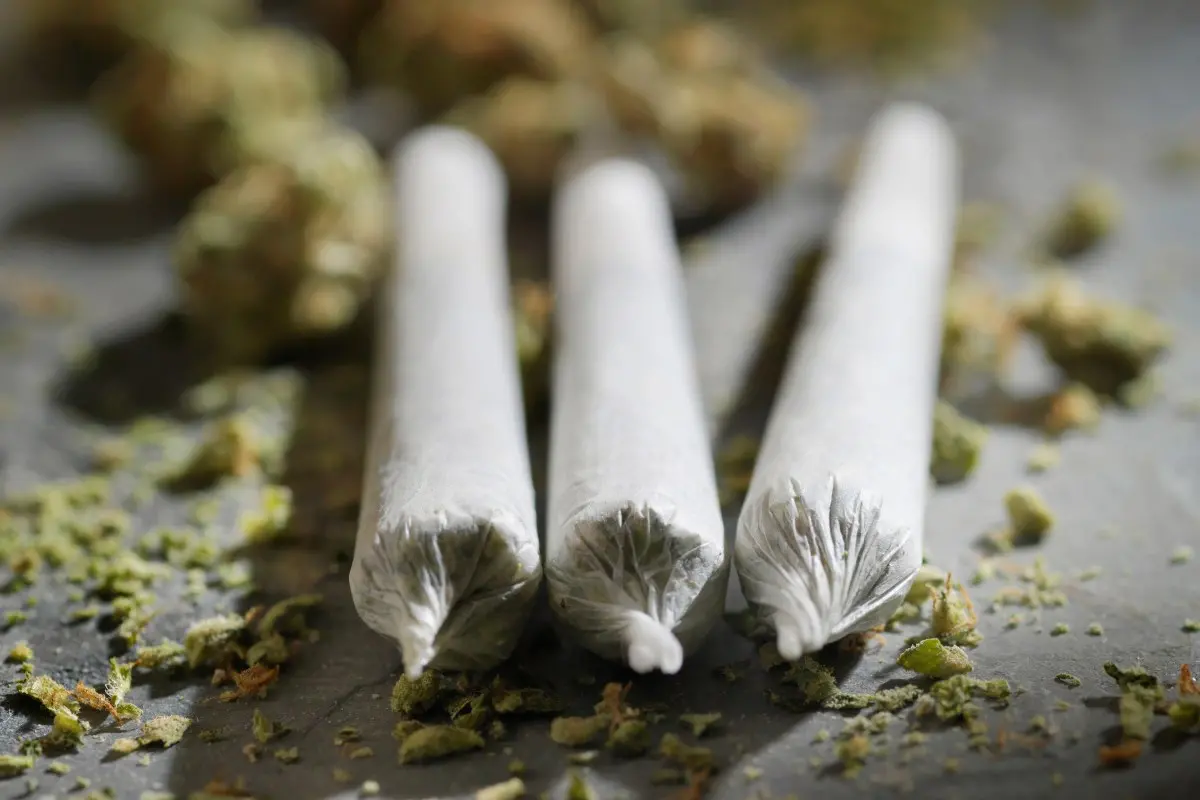
In 2022, Thailand made headlines by becoming the first country in Asia to decriminalise marijuana. While many other nations in the region tightened their drug laws, Thailand moved in the opposite direction.
Why did Thailand legalise marijuana in the first place?
Cannabis was removed from the list of illegal narcotics, paving the way for a rapidly expanding industry. Thousands of dispensaries sprouted across the country, sourcing marijuana from local farms. Tourists seeking access to cannabis added to the industry's momentum, which was projected to be worth $1.2 billion by 2025.
What changed recently?
The Thai government has now shifted gears. Public Health Minister Somsak Thepsutin signed a new order this week that reclassified cannabis buds as a controlled herb.
This means shops can no longer sell them without a prescription. Somsak has also stated his intention to relist cannabis as a Category 5 narcotic, which would criminalise its recreational use again.
What does the new cannabis order say?
Under the new regulations, anyone wishing to study, export, sell, or process cannabis buds for commercial purposes must obtain a licence. These individuals or businesses must also report data regarding the source, use, and quantity of cannabis they possess.
Importantly, cannabis must be sourced from farms that meet the Good Agricultural and Collection Practices (GACP) standards set by the Department for Development of Thai Traditional and Alternative Medicine.
Where is cannabis now banned from being sold or advertised?
The order bans cannabis sales via vending machines, electronic platforms, or any computer networks. Additionally, the sale of cannabis is prohibited in public places such as religious sites, dormitories, public parks, zoos, and amusement parks. Advertising of cannabis and its products is also no longer allowed.
Who can still sell or prescribe cannabis?
Cannabis for smoking will only be allowed if prescribed and sold by authorised medical professionals. These include Thai and Chinese medicine practitioners, as well as dentists, for the treatment of their patients. Prescriptions must specify the dosage, not exceeding a 30-day supply.
What are the legal penalties under the new rules?
Violating the new regulations may result in imprisonment of up to one year or a fine of 20,000 baht.
How is Thai politics influencing this U-turn?
The 2022 decriminalisation was championed by Anutin Charnvirakul, the then-Health Minister and leader of the Bhumjaithai Party. Although Anutin lost his bid for Prime Minister in 2023, his party joined the ruling coalition led by the Pheu Thai Party.
However, Pheu Thai had campaigned on reinstating cannabis restrictions. With the coalition now fractured and Bhumjaithai out, Pheu Thai is pushing ahead with its plans to limit cannabis to medical use only.
What does the public think?
Public sentiment appears to align with the new direction. A 2024 poll showed a majority of Thais support returning cannabis to the list of narcotics.
How are businesses responding?
Small and medium cannabis growers are concerned about the future. One producer told the Bangkok Post that the tight licensing requirements may drive many farms out of business. "Most permits are going to big players, while small farmers like me are left waiting or falling victim to scams," they said.
According to media reports, a prominent cannabis activist and leader of Writing Thailand's Cannabis Future Network, warned of a return to black-market dealings.
"With the new announcement, cannabis will be just another thing that will go back to being managed by the corrupt underground system," she said.
She noted Thailand's historically relaxed approach to various grey-market products and services, adding that cannabis will likely follow the same path.
While the regulations aim to curb misuse and protect youth, critics argue they threaten a booming industry and risk pushing the trade underground once more.