10 things I loved about Bhutan: From fiery chillies to friendly dogs | My Travel
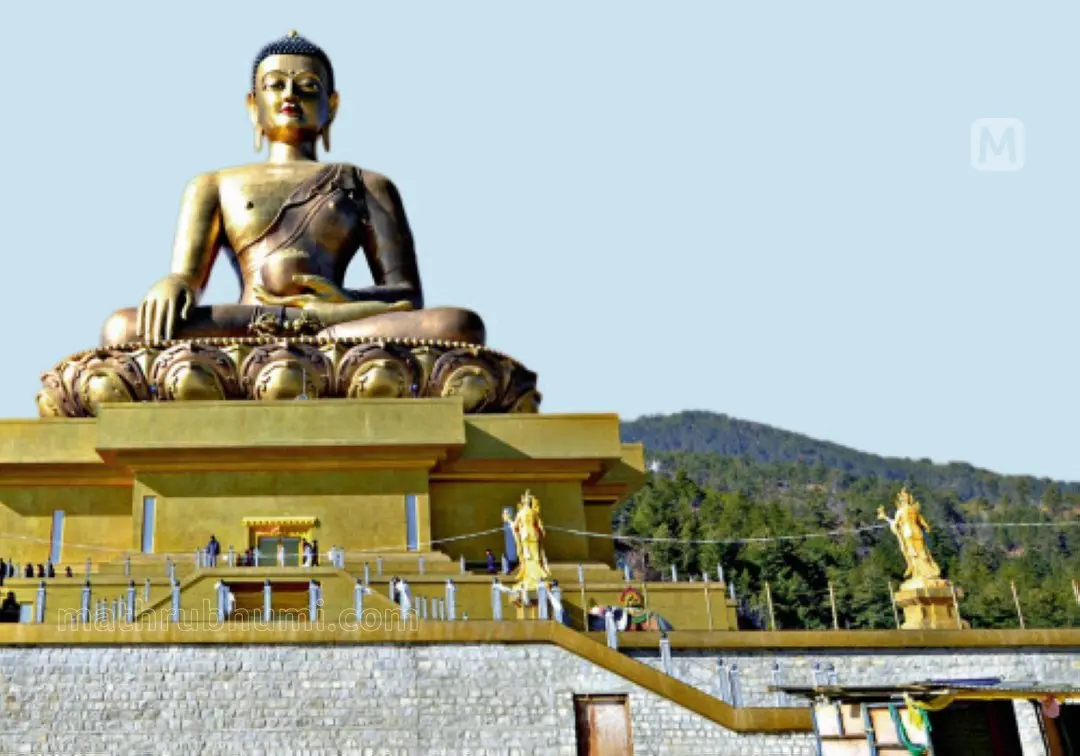
During my 7-day journey through the serene Buddhist kingdom of Bhutan, I was struck by so many fascinating aspects of life here that I couldn’t help but fall in love with the place. In the first part of the Bhutan Travelogue, trekking to the Tiger's Nest was explored. In the second part, I wish to share some of the unique characteristics of Bhutan. Bhutan's deep connection to Buddhist traditions is seen everywhere, and it’s no wonder that this small kingdom ranks high on the happiness index. From the moment you set foot on Bhutan's soil, you feel that every corner tells a story.
So, what sets Bhutan apart from India, even though we are close neighbours? Let me share a few things that caught my attention and some insights that my lovely travel guide shared along the way!
Bhutan’s Traditional Dress: A Daily Affair
One of the first things that stuck me was the national dress. Unlike in India, where people wear traditional attire mostly for festivals or special occasions, here it’s an everyday affair! I noticed that men wore a knee-length robe called a Gho, and women an ankle-length dress called Kira. This is mandatory! Even school kids wear it! I found it fascinating, especially the pouch in the Gho where I noticed men keeping their mobile phones. It’s like a built-in pocket! The Kira, on the other hand, looked so comfortable and easy to wear that I almost wanted to get one for myself.
Suja: The Tea With Salt
While we’re used to the sugary chai in India, Bhutan offers something completely different—Suja or butter tea. Yes, you heard that right—tea with butter and salt! At first, when one of my travel mates first tried it, she literally compared it to "kanjeeravellam" or rice water, which made us all laugh but once I tried it, I actually found it delicious. The butter gives it a rich, savoury taste. If you ever visit Bhutan, don’t leave without trying Suja.
Friendly Dogs Everywhere
Something that will warm your heart in Bhutan? The dogs! Everywhere I went, I saw these friendly, furry canines lounging around. But unlike the street dogs we often see in India, these were calm, gentle and fluffy. At our hotel in Punakha, there was even a white dog named `Tiger’ who stood as unofficial guard. He’d sit proudly in the lobby, and we felt so safe with him around! Even in many restaurants where I dined, dogs wandered around without bothering anyone.
Marriages in Bhutan
Marriage customs in Bhutan have their own charm. Our guide told us that most marriages in Bhutan are love marriages, and people are free to choose their partners. However, only intra-category marriages are allowed according to the country’s laws.
Drying Vegetables for Winter
As I traveled through Bhutan, I noticed a practical approach of preparing for the colder months - drying vegetables. The Bhutanese people dry their vegetables during the summer to preserve them for winter. Red chilies, mushrooms, beans, apples—you name it, they dry it. While driving through Paro, I saw houses with rooftops covered in bright red chilies drying in the sun, even though it was drizzling! One of the most common dried vegetables is the fiery red chilli. I even bought dried mushrooms from a local market to bring a little piece of Bhutan home with me.
No Beggars, No Orphanages
A good thing about Bhutan is that you’ll rarely see beggars or homeless people on the streets. Bhutan’s King ensures that no one goes uncared for, and there are no orphanages because the community takes care of each other.
Ema Datshi: The National Dish
I couldn’t leave Bhutan without trying their national dish, Ema Datshi. On my first day, I was treated to this spicy delight made of chillies (ema) and cheese (datshi). It comes in various forms, depending on the vegetables used. I had heard about it from friends and even read about how Deepika Padukone recommended it, so I was curious. It’s incredibly spicy but utterly delicious, and I found myself ordering it almost every day!
Red Rice: Bhutan’s Staple
Another highlight was the red rice, which is quite famous in Bhutan. It reminded me of the matta rice we have in Kerala but with a distinct flavour. The color ranges from deep red to light pink, and it’s a staple in almost every meal—breakfast, lunch, and dinner. While Bhutanese cuisine is largely vegetarian, many hotels also offer chicken for those who prefer non-veg options.
Yak Cheese: Cho Go
One unconventional food item I came across was Yak Cheese, or Cho Go. It’s sold in small cubes and is chewed like betel nuts. I saw it hanging in plastic covers at grocery stores along the way to Thimphu and Paro. A small cube can last for hours as it slowly dissolves in your mouth. I bought a few, and at Rs 20 each, they were quite expensive!
Warm Hospitality
One thing that really struck me was the warmth of the Bhutanese people, especially the women. In almost every hotel I stayed at, it was women who handled everything—from checking us in to serving our meals. Dzongkha is the official language, but English is widely spoken, and our guide communicated fluently in both.
My week in Bhutan was a journey into a way of life that is different from our own. As I was getting ready to leave, I tried to impress our guide by saying "Kadin chey," which means thank you in Bhutanese. Did I pronounce it right? Who knows—but hey, it’s the effort that counts, right? Bhutan gave me memories I’ll never forget.
This is the 2nd part of the Travelogue on Bhutan. Watch out for this space for more...