Breaking the rules, again: TAG Heuer reinvents the Monaco with the Evergraph
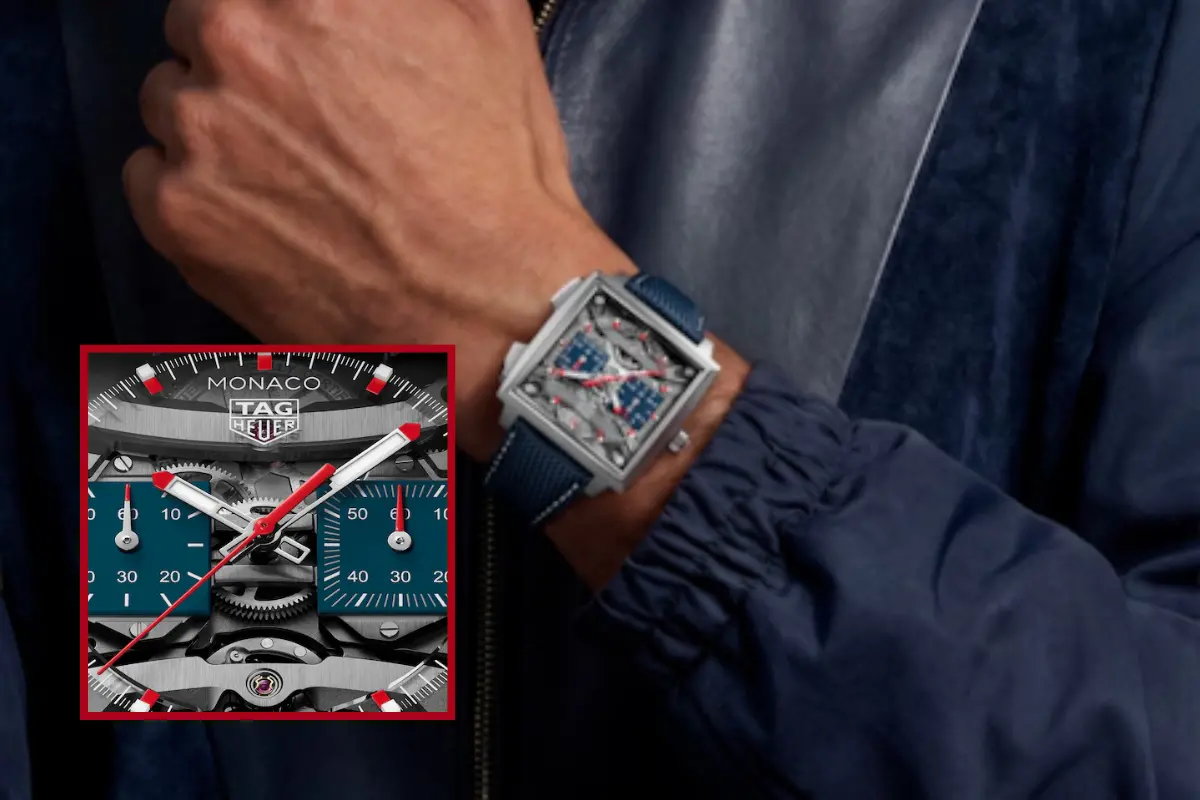
Some watches become icons. Others become institutions. The TAG Heuer Monaco belongs to a very small group that has managed to become both.
When it appeared in 1969, the Monaco looked like it had arrived from the future. At a time when most watches played it safe with round cases and conservative styling, TAG Heuer introduced a square, water-resistant automatic chronograph that seemed determined to ignore every rule in Swiss watchmaking. Two years later, when Steve McQueen strapped one onto his wrist for Le Mans, the Monaco became a legend.
More than half a century later, the Monaco remains what it has always been: a platform for experimentation. Then, enter the TAG Heuer Monaco Evergraph.
At first glance, it is another Monaco. The square silhouette remains, preserving one of the most recognisable shapes in watchmaking. But this is far from a nostalgic exercise. Crafted from lightweight titanium topped with black DLC, the case feels sharper, leaner and more contemporary than many of its earlier models.
The openworked dial adds to that impression. Rather than concealing the mechanics beneath a traditional face, the Monaco Evergraph reveals them. Gears, bridges and movement components are left visible, creating a layered architectural quality that draws the eye deeper into the watch. It is technical without feeling overly complicated, allowing the movement itself to become part of the design.
Yet the most significant changes are not immediately visible.
Powering the Monaco Evergraph is the Calibre TH80-00, developed with Vaucher Manufacture Fleurier and TAG Heuer's La Chaux-de-Fonds laboratory. The movement introduces a compliant chronograph mechanism that replaces conventional articulating components with flexible structures designed to reduce friction and wear over time.
It also features TAG Heuer's TH-Carbonspring oscillator, a regulating system designed to improve stability and precision. Together, these innovations show the brand's long-standing focus on advancing the chronograph, a complication that has shaped TAG Heuer's identity for more than 160 years.
That connection runs deep. Long before the Monaco became synonymous with Steve McQueen, it attracted figures such as Stanley Kubrick and Sammy Davis Jr., individuals who were into designs that sat outside.
More than fifty years after the Monaco first challenged accepted design codes, it continues to serve as TAG Heuer's laboratory for new ideas. The shape is iconic. The thinking behind it remains restless.