SPECIALSMaturity before matrimony: Building a marriage on choice, not compulsion
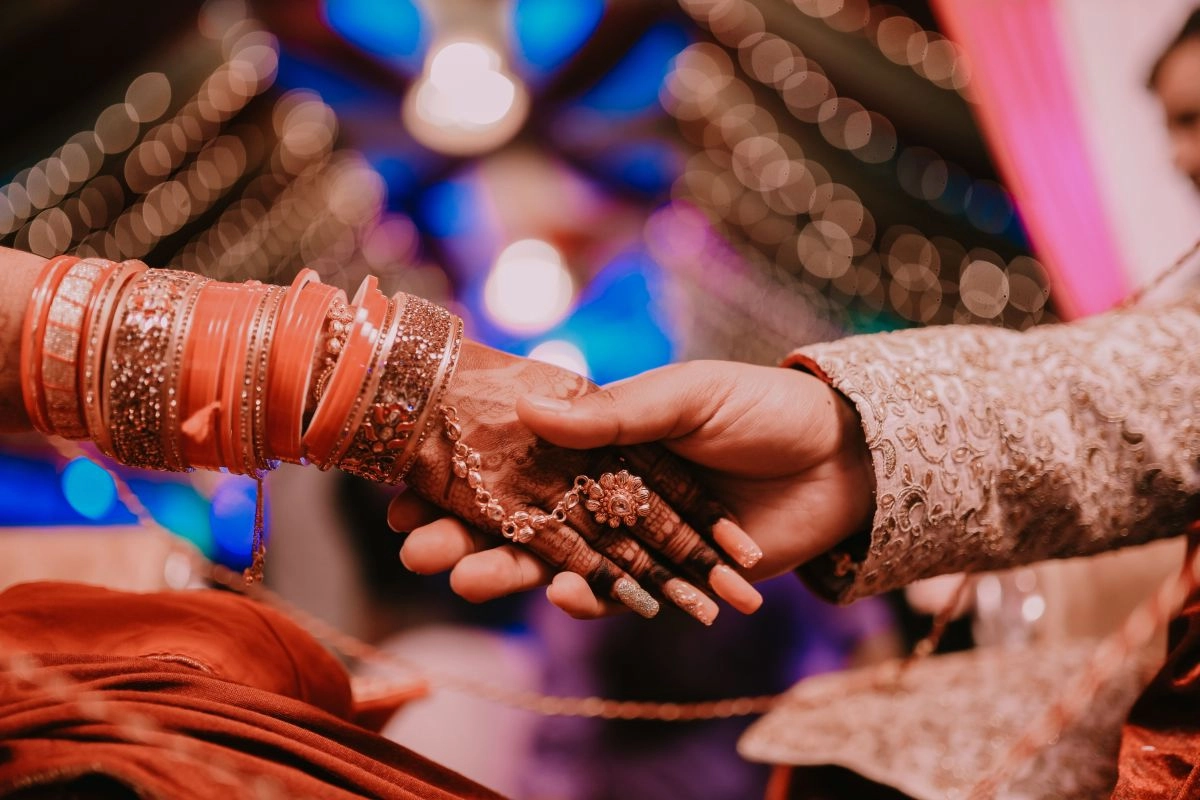
Nearly a century ago, VT Bhattathiripad’s famous play Adukkalayil Ninnu Arangathekku challenged oppressive marriage practices and the social confinement of women in Kerala. First staged at Edakkunni near Thrissur in 1929, the play brought questions of women’s freedom into public discussion across the state. Its title, ‘From the Kitchen to the Stage’, offers Kerala readers a starting point for examining marriage today: whether individuals have the opportunity to learn, develop independence and enter a partnership with confidence and choice.
November 27 gives that question an international setting. In 2026, the world will observe the first International Day for the Elimination of Child, Early and Forced Marriage. The UN General Assembly established the observance through Resolution A/RES/80/309 on September 4, 2026. Sierra Leone led the initiative, with India among its co-sponsors.
The occasion should encourage families and institutions to examine how they can protect childhood and help young people prepare for marriage.
Beyond the legal boundary
The Prohibition of Child Marriage Act, 2006, defines a child as a female below eighteen or a male below twenty-one. These legal limits establish an essential boundary. Beyond that boundary lies a broader conversation about readiness.
Emotional maturity includes communicating honestly, managing disagreements and respecting a partner’s aspirations. Prospective spouses should understand what sharing a household involves, including decisions about work, money and domestic responsibilities. These expectations apply equally to women and men. Economic independence supports such readiness by giving young adults greater control over their decisions.
Education, livelihood skills and financial literacy can help them understand expenses, assess commitments and contribute to family life. A credible path towards earning and managing money can reduce dependence that makes it difficult to express preferences. Parents can support this preparation by discussing practical expectations openly and allowing time for growth. The decision to marry should emerge from the informed consent of both partners.
Consider two young adults discussing their plans for marriage. One plans to complete a professional course; the other expects an immediate move to another city. They also need to discuss debt, support for ageing parents and how household work will be shared.
A respectful conversation before the wedding gives both the opportunity to understand what they are agreeing to. Families can make space for these discussions, with confidence that preparation and openness can strengthen a marriage. Such preparation concerns boys as much as girls.
National Progress and State Initiatives India’s Bal Vivah Mukt Bharat campaign, launched on November 27, 2024, provides a national framework for prevention. Its second anniversary coincides with the UN observance.
A November 2026 government review reports that 20.1 per cent of women aged twenty to twenty-four married before eighteen in NFHS-6, compared with 23.3 per cent in NFHS-5. The Andaman and Nicobar Islands recorded a 7.4 percentage-point decline between these surveys. These retrospective figures reflect broader progress across the survey period.
State programmes illustrate how practical assistance can protect the years needed for preparation. West Bengal’s Kanyashree Prakalpa supports eligible unmarried girls in continuing education and delaying marriage until at least eighteen.
Bihar’s Mukhyamantri Balika Cycle Yojana supports bicycle purchases for girls entering Class IX. A scholarship can help meet educational expenses, while transport support can improve access to secondary school. The purpose is to expand the opportunity to study, develop capabilities and make informed decisions about adulthood.
Community conversations matter alongside material support. In March 2026, Chandigarh’s Union Territory Child Protection Society organised street theatre at Hallomajra under the national campaign. The performance highlighted education, children’s rights and reporting channels. Such engagement gives neighbours and parents an opportunity to discuss practices that may otherwise remain unquestioned.
Boys and men should participate, particularly in conversations about mutual respect and shared responsibilities. Preparing young people for marriage requires changes in family expectations as well as opportunities for girls.
Widening choices through education
STEM education can contribute to this preparation. Science, technology, engineering and mathematics offer pathways to further learning and skilled employment. The Department of Science and Technology’s Vigyan Jyoti programme encourages girls in Classes IX to XII through scientific exposure, mentoring and career guidance.
Meeting a woman engineer or visiting a laboratory can help a student imagine possibilities previously unfamiliar to her family. Girls pursuing humanities, vocational training or other disciplines deserve equal encouragement. The aim is to widen choices and strengthen the confidence young adults bring to marriage.
Universities can support schools through mentoring, laboratory visits and career counselling. These efforts need affordable access, reliable transport and attention to girls without safe digital connectivity. Young women already married, including adolescent mothers, should also have opportunities to resume education, alongside healthcare and counselling.
The UN resolution specifically calls for programmes enabling married girls and young women to continue or return to learning. Their aspirations remain important within marriage and family life.
Protection, accountability and global goals
Protection must accompany opportunity. Teachers should follow up unexplained absences, and communities should know their Child Marriage Prohibition Officer and the Child Helpline, 1098. Courts can issue preventive injunctions under the Act. Child marriages are generally voidable under the central framework, with specified categories void.
Children may therefore need legal assistance as well as protection. After intervention, authorities should assess safety, listen privately to the child and ensure continued access to education.
The Sustainable Development Goals connect these responsibilities. SDG 5, through Target 5.3, calls for eliminating child, early and forced marriage. SDG 4 links prevention with quality education and equal access to further study. SDG 3 concerns adolescent health and reproductive healthcare. SDG 8 connects skills and economic independence with decent work. SDG 16 supports protection from violence and access to justice.
Together, these goals encourage education, health and protection authorities to work around the needs of the individual. Success should be judged by whether children remain safe, education continues and young adults gain the freedom to make informed choices.
A postponed marriage must not simply be rearranged unlawfully elsewhere. A later marriage, entered lawfully and freely by people who feel prepared, can be a positive outcome.
This November 27 -- marking both the first International Day for the Elimination of Child, Early and Forced Marriage and the second anniversary of the Bal Vivah Mukt Bharat campaign -- calls on families, schools and communities across India to uphold every child’s right to learn and grow. Maturity before matrimony is a national commitment to marriage built on readiness, independence and shared responsibility.
The author is associate professor at Christ University in Delhi NCR. Views expressed are personal