Why mosquitoes suddenly love your home and how to kick them out
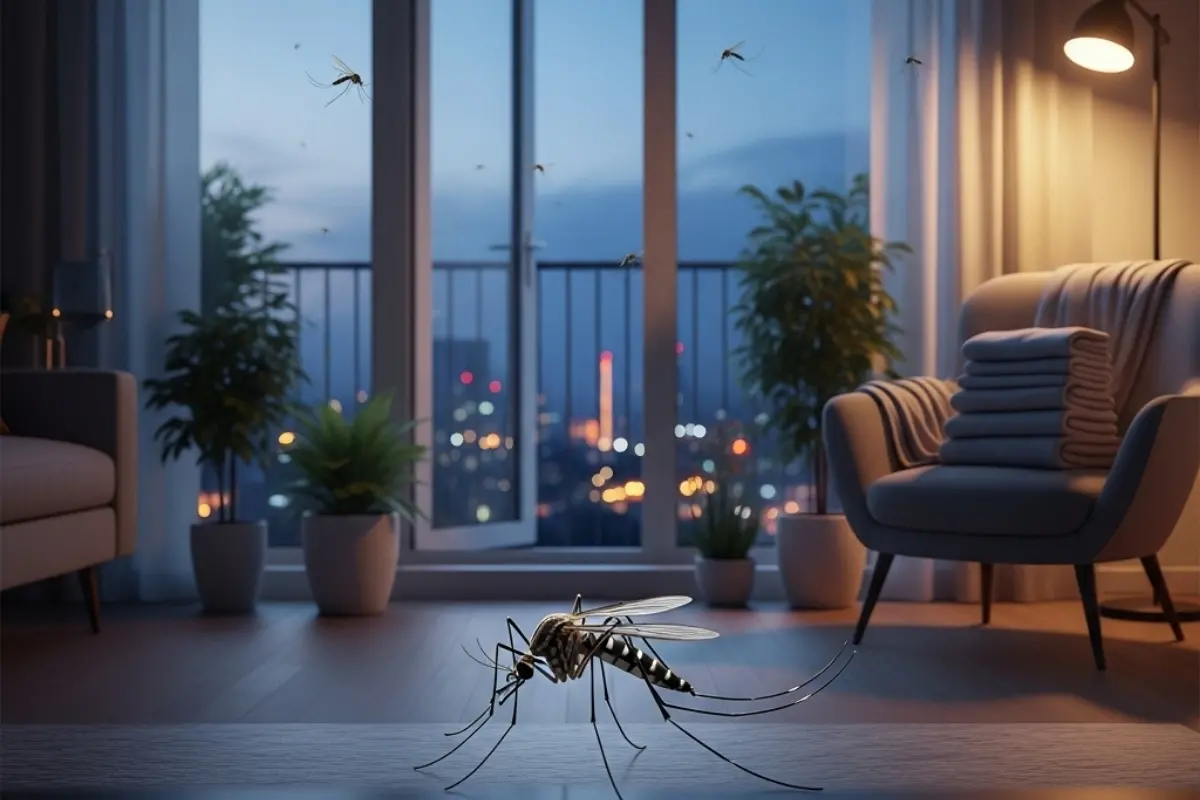
It usually starts innocently — a faint buzz near your ear just as you switch off the lights. By the next evening, it feels like mosquitoes have declared squatters’ rights in your living room. If this sounds familiar, you are far from alone. Across cities in 2026, homes are seeing sudden mosquito surges that feel random but are actually rooted in science.
The 2026 ‘sudden’ surge: Why mosquitoes are showing up now
Mosquito seasons are no longer neat, predictable summer events. Recent global health data shows that changing weather patterns have stretched mosquito activity across more months. Mild winters, short heat spikes and irregular rainfall are allowing mosquitoes to survive and breed almost year-round, especially in urban settings.
Urban heat islands: When your home turns into a tropical hotspot
Modern homes trap heat far more efficiently than older structures. Concrete walls, glass balconies and packed buildings absorb warmth during the day and release it slowly at night. Add evening humidity from cooking, washing dishes or watering plants, and your home becomes a perfectly climate-controlled retreat for mosquitoes.
The bottle cap problem: How tiny water pools create big trouble
One of the biggest myths about mosquitoes is that they need dirty drains or stagnant ponds to breed. In reality, species like Aedes aegypti can multiply in shockingly small amounts of water. A discarded bottle cap, a folded food wrapper or a forgotten tray can hold enough rainwater to produce hundreds of mosquitoes in just days.
Clutter connection: Why mess attracts mosquitoes
Clutter does more than make a home look untidy. Piles of clothes, cardboard boxes and crowded storage areas block airflow and trap moisture. This creates small pockets of humid air that mosquitoes rely on to keep their wings from drying out. These cluttered zones also offer darkness, which mosquitoes prefer during daytime rest periods.
Dark corners and trapped humidity: Perfect daytime hiding zones
Most household mosquitoes avoid bright light during the day. They hide behind curtains, under furniture, inside laundry piles or in storage corners. As evening approaches and light softens, they emerge — which is why bites often peak after sunset even if you never opened a window.
The soap switch: How your body wash may be inviting bites
Recent research has revealed that your choice of soap matters more than you think. Floral and fruity fragrances can make you more attractive to mosquitoes. Coconut-based soaps, however, contain fatty acids that appear to repel them. Changing your body wash may quietly reduce bites without sprays or chemicals.
Fans over fumes: The simplest mosquito repellent that works
Electric fans remain one of the most effective defences. Mosquitoes are weak fliers and struggle against steady airflow. The key is placement — directing a fan towards your feet and ankles works best, as many mosquitoes track body cues from lower extremities rather than the face.
Beyond citronella: Spearmint and basil take the lead
Citronella has long been the default natural repellent, but newer studies show spearmint and basil essential oils performing better in controlled environments. Used in diffusers near doors or windows, these oils can help create a scent barrier that discourages mosquitoes from entering your home.
Indoor plants, outdoor problems: The standing water mistake
Plant saucers are a hidden breeding zone. Instead of leaving open water beneath pots, filling saucers with coarse sand allows plants to absorb moisture while removing the water surface mosquitoes need to lay eggs. It is a small change with a big payoff.
The five-minute anti-mosquito sweep for your home
A quick daily check can stop a minor problem from turning into an infestation. Clear dark fabric piles, switch white LED bulbs near windows to yellow-toned lights, check appliance drip trays and shake out stored plastic or tarps. These small actions remove hiding spots and breeding sites in minutes.
Mosquitoes may be adapting to urban life faster than we expect, but the advantage still lies with homeowners who understand why they show up. With a few evidence-based lifestyle tweaks, your home does not have to be their next favourite stop.