Essential monsoon tips to prevent snake intrusion: What works and what doesn’t
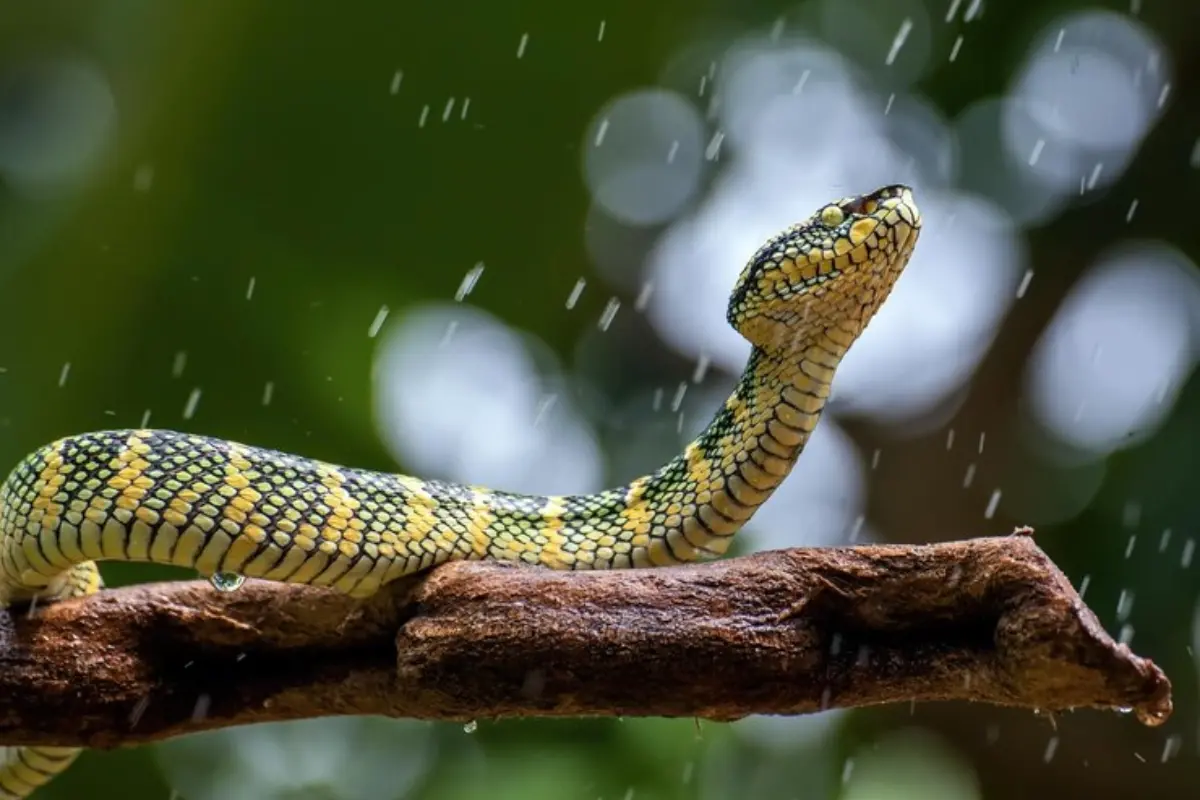
The monsoon season in India brings much-needed relief from the heat, but it also increases the likelihood of snake sightings and intrusions.
Snakes often leave their natural habitats due to waterlogging and seek drier, safer areas—sometimes leading them into human spaces. While most snakes are not aggressive and bite only in self-defence, taking preventive measures can significantly reduce the chances of unwanted encounters.
Here are some expert-recommended steps to keep snakes away from your home and surroundings during the rainy season:
1. Clear overgrown vegetation and debris
Snakes often hide in tall grass, bushes, and piles of dry leaves. Keep your yard and surroundings clean by:
- Regularly trimming bushes and grass
- Removing leaf litter, fallen branches, and garden waste
- Keeping areas around your home free from clutter
2. Avoid stacking firewood near your house
Wood piles are ideal hiding and nesting places for snakes. If you need to store firewood:
- Place it at a distance from the house
- Use a netted or raised platform to keep the area well-ventilated and visible
3. Space out flower pots and trim creepers
Flower pots placed too close together can create dark, damp gaps ideal for snakes.
- Maintain space between pots
- Avoid placing pots directly next to doors or windows
- Cut back creepers or vines growing onto walls, grills, or terraces
4. Seal all possible entry points
Snakes can enter through small cracks or holes. Conduct a check around your home and:
- Seal gaps under doors with rubber or bristle door sweeps
- Fix cracks in concrete floors or walls
- Install fine mesh or netting over air vents, kitchen grills, exhaust fans, and drain openings
5. Keep tree branches trimmed
Snakes can use overhanging branches to access windows, roofs, or balconies.
- Trim branches that extend toward or over your home
- Avoid letting plants grow too close to external walls
6. Rodent control is essential
Rodents are a primary food source for snakes. If you control rats and mice, you reduce the incentive for snakes to enter.
- Use traps or hire pest control services if you notice rodent activity
- Keep food waste properly sealed and bins covered
7. Snake repellents: What to know
Some natural remedies are popularly used, but their effectiveness is limited and not scientifically guaranteed:
- Garlic, hing (asafoetida), or kerosene mixtures may have a strong smell but should be used cautiously and not in enclosed areas
- Naphthalene balls (mothballs) are not proven to deter snakes and can be toxic to humans and pets
- Ammonia spray and vinegar have weak evidence and should only be used outdoors in small amounts
If you use any repellents, avoid overuse and always keep them away from children and animals.
8. Don’t attempt to handle snakes
If you see a snake:
- Do not try to catch or kill it
- Stay calm and keep your distance
- Contact local forest officials, wildlife rescue, or snake helplines for professional help
Snakes are an important part of the ecosystem and rarely pose a threat unless provoked. By following simple prevention measures like maintaining cleanliness, sealing openings, trimming plants, and staying vigilant, you can make your home a less attractive place for them during the monsoon.