Are Labubu dolls possessed? The TikTok demon theory that won’t die
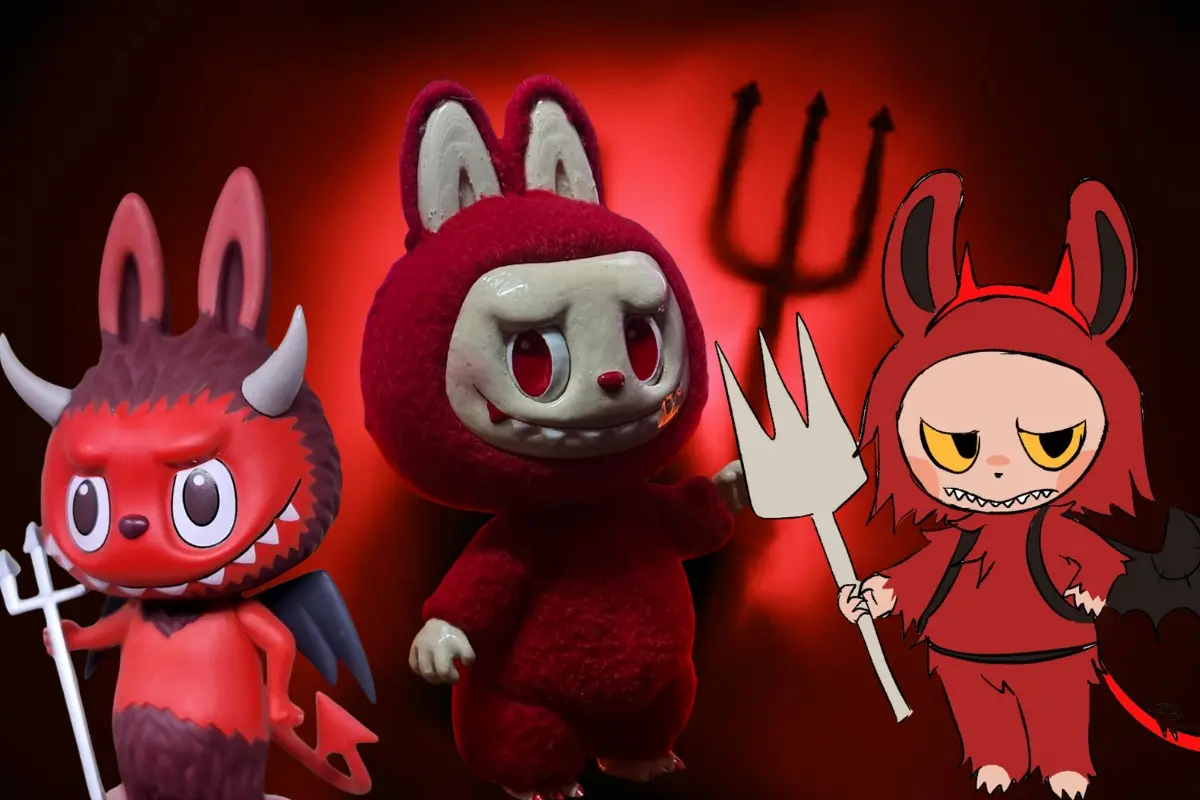
The global obsession with Labubu dolls has escalated into an unexpected frenzy — and not just because of their quirky charm.
Originating from is a Hong Kong-born artist and illustrator Kasing Lung’s whimsical world, the dolls are inspired by Nordic folklore, but an online wave of paranoia has transformed them into the centrepiece of a paranormal panic.
Why do some believe Labubu dolls are haunted?
The haunting rumours gained traction after TikTok users began comparing the dolls to Pazuzu — a demon from ancient Mesopotamian mythology famously featured in The Exorcist. A now-deleted viral video paired Labubu's features with an AI-generated image of Pazuzu, prompting a flurry of reactions online.
What role has TikTok played in the Labubu panic?
Social media platforms, particularly TikTok, have been instrumental in fuelling the hysteria. Several Christian influencers claimed the dolls possess “dark energies” and warned against keeping them at home, citing their supposed pagan origins and unsettling appearance.
Are the haunting claims factual?
Despite the eerie comparisons, there’s no verified evidence suggesting Labubu dolls are cursed or haunted. Critics of the theory have labelled it as mass hysteria driven by viral algorithms and aesthetic misinterpretation. They point out that Kasing Lung’s original designs were rooted in fantasy, not occultism.
What’s fuelling the Labubu craze?
Even as the haunting claims swirl, demand for Labubu dolls remains sky-high. Collectors and influencers continue to flaunt them online, while limited editions have fetched eye-watering sums at auctions. Their rarity and whimsical appeal have turned Labubu into both a viral trend and a cultural obsession.
Whether paranormal or purely playful, the Labubu doll saga speaks to how quickly internet folklore can form around cultural artefacts. For now, it seems that the only truly scary thing about these dolls is how much people are willing to pay for them.