Karwa Chauth 2025: Why must only a 'clay karwa' be used during puja?
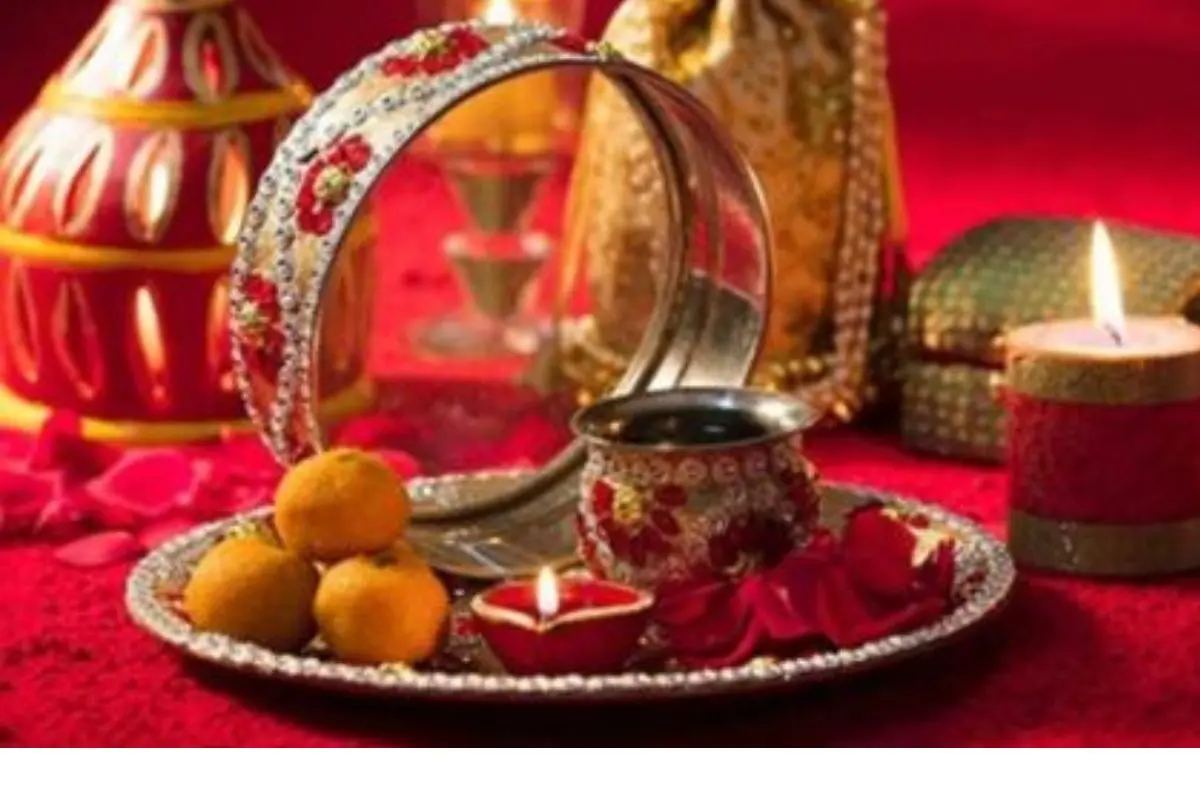
As married women across India observe the Karwa Chauth fast — praying for the long life and well-being of their husbands — a simple clay pot, or karwa, takes center stage in the day’s rituals.
Often mistaken for an ordinary vessel, the mitti ka karwa holds deep mythological, religious, and cultural meaning.
According to Bhopal-based astrologer and Vastu consultant Pandit Hitendra Kumar Sharma, the clay karwa symbolises the five elements of life — water, earth, fire, air, and sky — whose harmony ensures happiness and balance in one’s life.
During the puja, women fill the clay Kalash with water and unbroken rice, tie a sacred thread around it, and later use it to offer arghya (water) to the moon once it rises.
The tradition traces back to ancient times. It is said that Goddess Sita and Draupadi also observed the Karwa Chauth fast, using clay pots as part of their ritual.
To this day, women worship the karwa as a symbol of the Mother Goddess, representing faith, devotion, and the sacred bond of marriage.
During the puja, the karwa is accompanied by essential items like flowers, sandalwood, turmeric, ghee, yogurt, and sweets.
Women recite the Karwa Chauth Katha, either during the day or at night, ensuring that the earthen vessel is used in every step of the ritual.
When the moon finally appears, women offer water to it using the karwa and then pass it to their husbands, marking the end of the day-long fast.
The ritual is believed to bring happiness, prosperity, and sweetness to married life — and serves as a reminder that relationships thrive on love, balance, and mutual respect.