Independence Day 2026: What is the theme for this year’s celebrations?
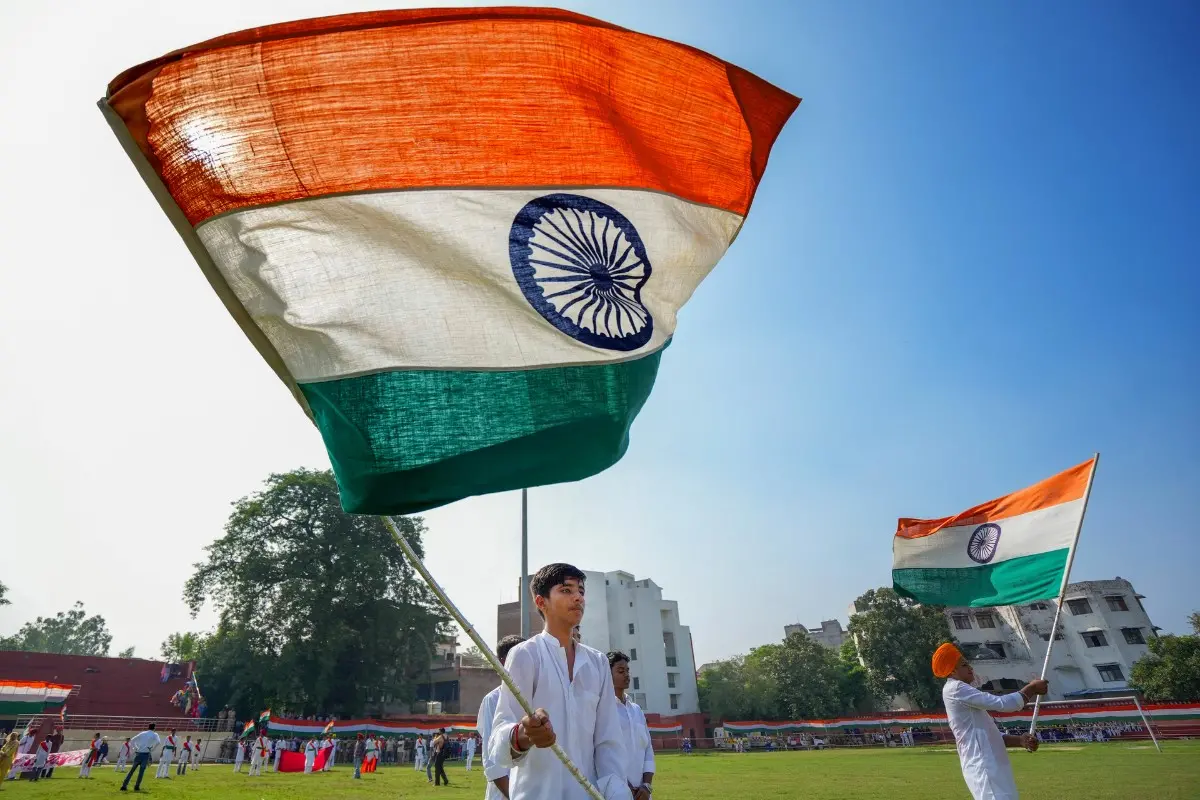
August 15, 1947 changed the course of India's history. After years of protests, movements and sacrifices, the country was finally free from British rule. Nearly eight decades later, Independence Day remains one of India's biggest national celebrations. This year, the country will mark its 80th Independence Day, marking 79 years since independence.
The celebrations are centred on 'Yuva Shakti for Viksit Bharat@2047', while the country is also observing 150 years of Vande Mataram.
India became independent from British rule on August 15, 1947. The day marked the end of more than two centuries of British colonial rule and the beginning of a new chapter for the country.
Independence did not come easily. It followed decades of protests, movements, political campaigns and resistance, involving thousands of people across the country. Independence Day is therefore also a day to remember the sacrifices made during the freedom struggle.
There is also a more complicated part of the story. India's independence came alongside the Partition of British India, which led to the creation of India and Pakistan and caused enormous displacement and loss of life. So August 15 carries both the celebration of freedom and memories of a difficult transition.
Theme for this year’s celebrations
The focus of this year's celebrations is 'Yuva Shakti for Viksit Bharat@2047', putting young Indians at the centre of the country's longer-term development vision. Government youth programmes in 2026 have also focused on getting young people involved in discussions around nation-building and the goal of a developed India by 2047.
Another important part of this year's celebrations is 150 years of Vande Mataram.
Written by Bankim Chandra Chattopadhyay, Vande Mataram became closely associated with India's freedom movement and remains the country's national song. The government launched a year-long commemoration of its 150th anniversary in November 2025, with events continuing through November 2026.
The song will have a particularly visible place in the 2026 Independence Day programme at the Red Fort.
What happens at the Red Fort?
The Independence Day morning ceremony in Delhi follows a carefully planned tradition.
The Prime Minister arrives at the Red Fort after paying his respects at the National War Memorial. The formal programme includes a Guard of Honour, followed by the hoisting of the national flag. The National Anthem is played and the ceremony includes a 21-gun salute.
The Prime Minister then delivers the Independence Day address from the Red Fort, speaking about the country's journey, achievements and priorities for the future.
The Red Fort ceremony is watched closely across the country, but the celebrations do not stop in Delhi. Schools, colleges, government offices, housing communities and local organisations hold their own programmes, often combining flag-hoisting with cultural performances, patriotic songs and competitions.
Vande Mataram gets a special place this year
The 150th anniversary of Vande Mataram gives the 2026 celebrations another connection to the freedom movement.
The song was first published in the Bengali magazine Bangadarshan in 1875 and was later included in Bankim Chandra Chattopadhyay's novel Anandamath. It became an important part of the nationalist movement and was used at gatherings during the struggle for independence.
The year-long commemoration began on November 7, 2025, and will run until November 7, 2026.
The Har Ghar Tiranga campaign has also encouraged people to bring the national flag into their homes as part of Independence Day celebrations. Prime Minister Narendra Modi has again urged citizens to participate this year, with the message 'Har Ghar Tiranga, Har Mann Tiranga'.
If you are displaying the national flag at home, it is important to do so respectfully and follow the rules governing the use and display of the Indian flag.